
Astelia Introduces Autonomous Network Mitigation to Block Attack Paths
Astelia's new autonomous network mitigation capability aims to defend against AI-driven exploits by blocking attack paths to reachable vulnerabilities at the network level, bypassing the need for immediate patching.
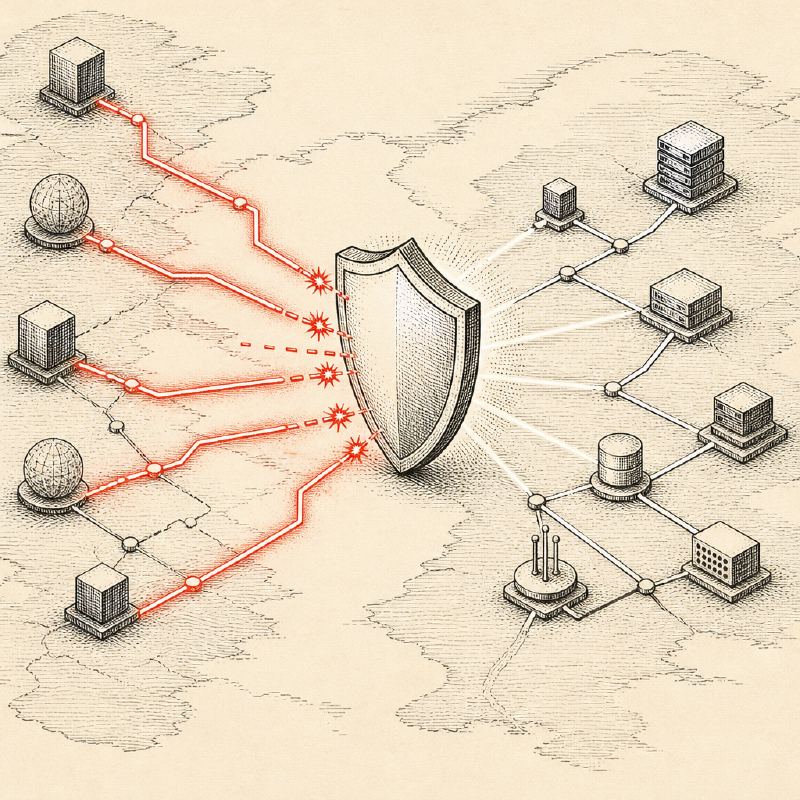
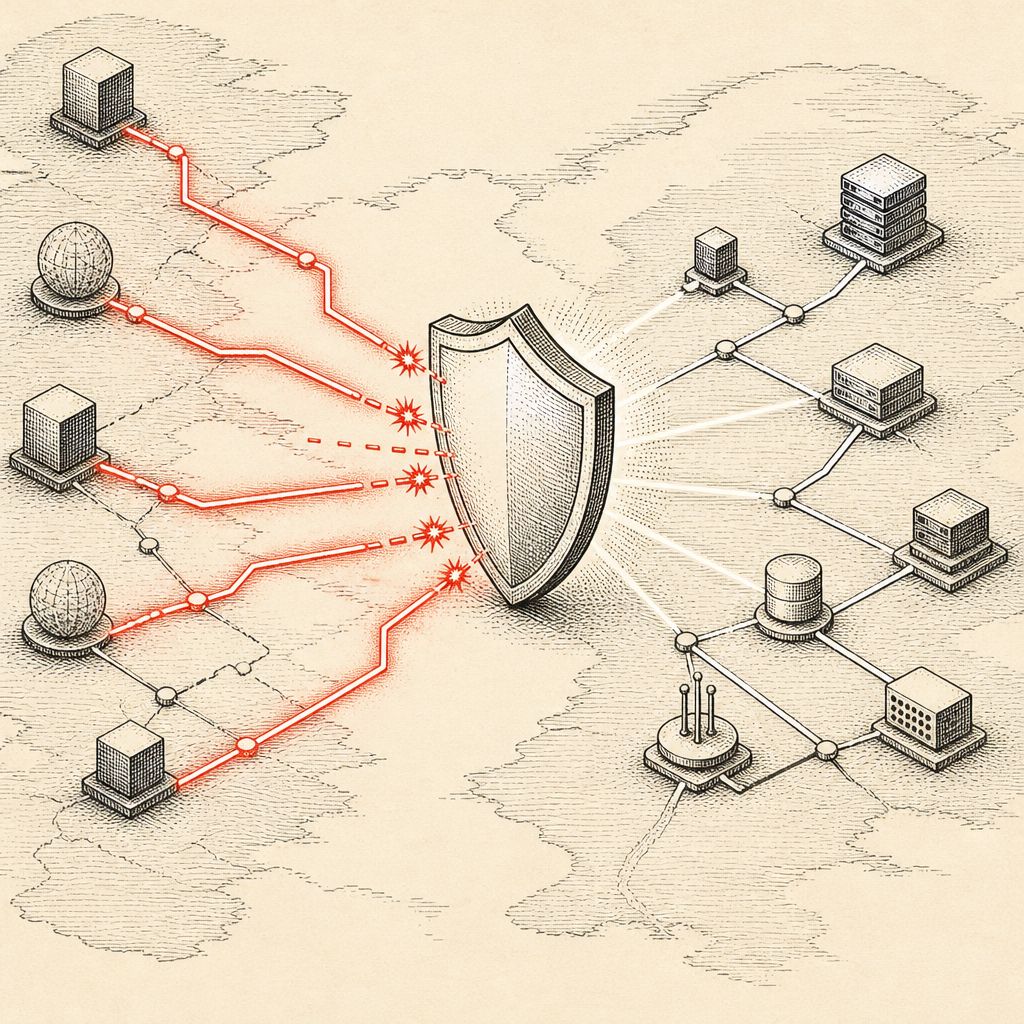
In response to the accelerating pace of cyber threats, particularly those driven by advanced AI models that drastically reduce exploit development times, Astelia has launched an innovative autonomous network mitigation solution. This new capability focuses on defending organizations by identifying and isolating attack paths leading to exploitable vulnerabilities directly at the network level. The core promise is to allow businesses to mitigate risks associated with known weaknesses without the immediate pressure of applying patches, which can be time-consuming and disruptive.
The traditional approach of manual vulnerability triage and remediation is increasingly falling behind the speed at which exploits can be developed and deployed. Astelia's solution addresses this by automating the process of eliminating attack vectors. This is particularly crucial for large enterprises where patching cycles require careful planning and change windows to avoid disrupting critical business operations. Furthermore, for legacy systems or those with no vendor support, patches may not even exist, leaving organizations exposed.
Astelia's approach circumvents these challenges by blocking threats at the network perimeter rather than altering the vulnerable system itself. This network-level mitigation is performed automatically, adhering to predefined organizational policies, and operates independently of patch availability or vendor release schedules. By focusing on the attack path, Astelia ensures that business-critical systems, including operational technology (OT) environments, can remain online and unaffected, even when a patch is unavailable or impractical.
The technology is built upon Astelia's sophisticated reachability analysis. The platform maps an organization's actual network topology and employs agentic AI to meticulously analyze the prerequisites for various exploits. By correlating these exploit conditions with the network map, Astelia accurately identifies which vulnerabilities are truly reachable by attackers and the specific paths they could use to exploit them. In one enterprise deployment, this analysis reduced a pool of approximately 40 million vulnerabilities down to fewer than 2,000 that were actually reachable.
Once reachable vulnerabilities are identified, Astelia determines the most effective network choke point along the attack path. Mitigation is then automatically driven to this point, typically via the organization's existing Web Application Firewall (WAF) or Intrusion Prevention/Detection System (IPS/IDS). A single rule deployed at this choke point can protect numerous vulnerable servers behind it, a stark contrast to the individual patching required for each server. Astelia's methodology ensures that mitigations are only applied to existing, proven attack exposures, avoiding the overhead of unnecessary rule additions.
Unlike software patches, which can sometimes introduce new system instability or be difficult to reverse, Astelia's network-level mitigations are designed to be easily rolled back. This provides security teams with the confidence to act swiftly against emerging threats without jeopardizing business continuity. The system empowers organizations to set their own operational guardrails through Astelia Agents, allowing for the creation of dedicated autonomous mitigation agents that operate within defined policies.
These agents can be configured to respond to urgent threats, including zero-day exploits and critical disclosures like the PHP2Shell remote code execution flaws reported in October 2026, which left older PHP servers without an official fix. Organizations can also implement human approval workflows for specific environments or actions, ensuring a balance between automation and oversight. All mitigation actions are logged and auditable, and Astelia's continuous analysis runs on read-only integrations, with mitigation actions utilizing scoped permissions controlled by the customer.
"For years, security teams have been told to patch faster," said Alon Noy, CEO of Astelia. "That advice stops working when the exploit arrives before the change window does. The same network data that tells us a vulnerability is reachable tells us where to cut it off, so we block it there automatically and the exposure is closed before an attacker can use it."