
Arizona Supreme Court Data Breach Exposes Personal Information of Many Residents
Hackers have stolen personal data from the Arizona Supreme Court system, impacting numerous residents. The breach did not involve ransomware, and the full scope is under investigation.

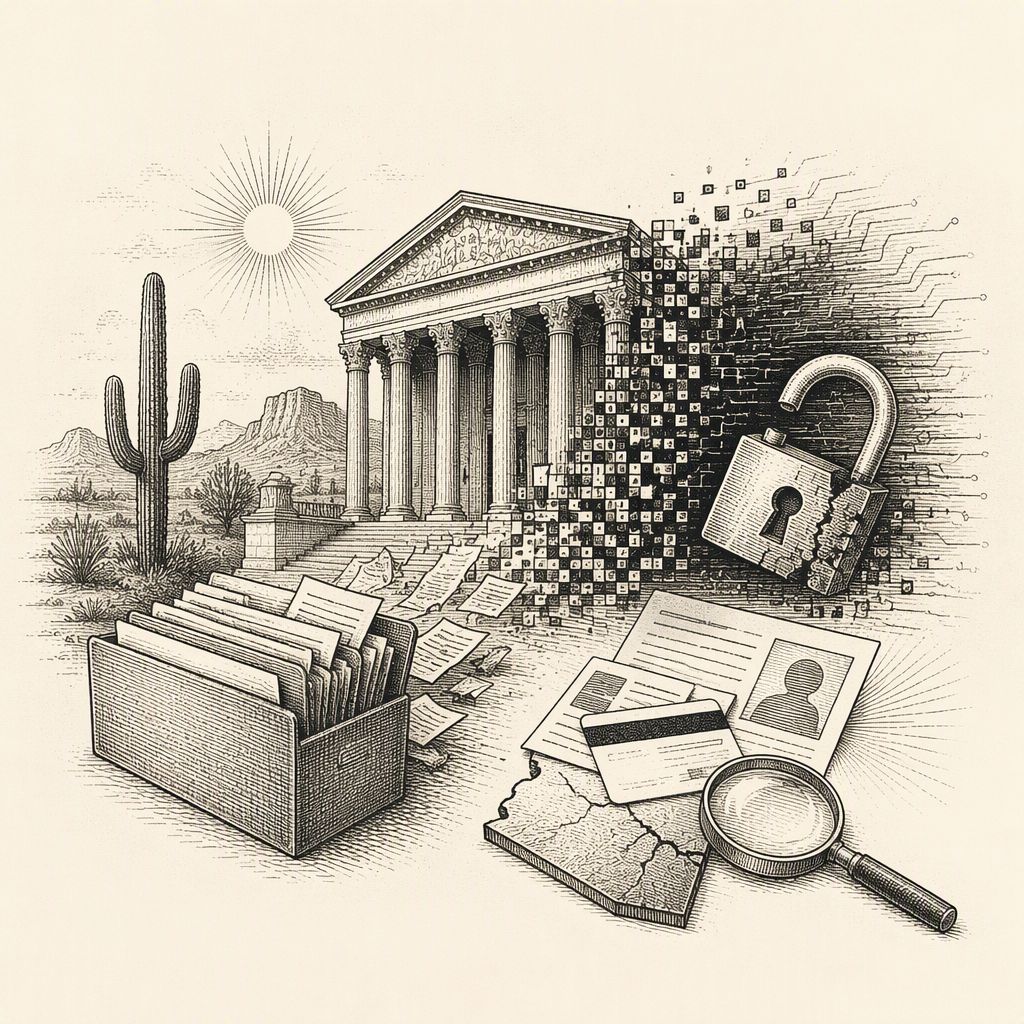
The Arizona Supreme Court has announced a significant data breach, confirming that hackers gained access to its systems and exfiltrated personal information belonging to "many Arizonans." Chief Justice Ann Scott Timmer stated that the court system was targeted by criminal actors or automated bots, leading to the copying of personally identifiable information (PII).
The Administrative Office of the Courts is actively working to identify and notify all individuals whose data may have been compromised. A spokesperson for the court system clarified that the incident did not involve ransomware, and no ransom demands have been made by the attackers. This detail distinguishes it from many recent high-profile attacks that aim to extort victims.
Details regarding the specific types of data stolen and the exact number of affected individuals remain under investigation. Chief Justice Timmer emphasized that further information would not be released at this time to avoid compromising the ongoing investigation. The court is cooperating fully with law enforcement, including the FBI, to understand the full extent of the breach and mitigate potential harm to residents.
While no hacking group has yet claimed responsibility for the attack, the incident highlights the persistent vulnerability of government and judicial systems to cyber threats. These entities often hold vast amounts of sensitive data, including PII and law enforcement records, making them attractive targets for malicious actors.
This breach adds to a growing list of cyber incidents affecting state and local government systems across the United States. In the past few years, court systems in states such as Kansas, California, Nebraska, South Carolina, Florida, Wisconsin, Louisiana, Ohio, Missouri, and Illinois have experienced various forms of cyberattacks, including ransomware, DDoS incidents, and data breaches.
For example, a ransomware attack in 2023 disrupted nearly all of Kansas' court systems for months. More recently, in November, the Pennsylvania Office of the Attorney General suffered a ransomware attack that impacted its court system for nearly a month, causing delays in criminal and civil cases. Similarly, Georgia's real estate and civil court filing organization was also targeted by ransomware in November.
The Arizona Supreme Court's breach underscores the critical need for robust cybersecurity measures within public sector institutions. The ongoing nature of these attacks necessitates continuous vigilance, investment in security infrastructure, and rapid response capabilities to protect sensitive citizen data from theft and misuse.