
Arch Linux AUR Packages Exploited Via Typosquatting for Root Privilege Malware
Malicious packages mimicking Arch Linux AUR helpers 'yay' and 'paru' were discovered, tricking users into installing malware that gains root privileges.
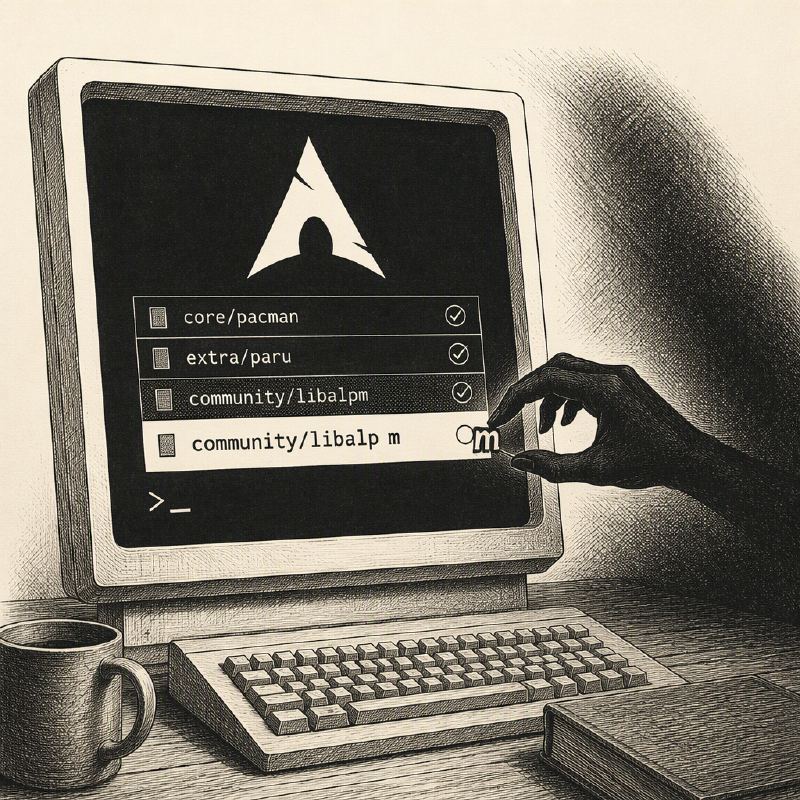
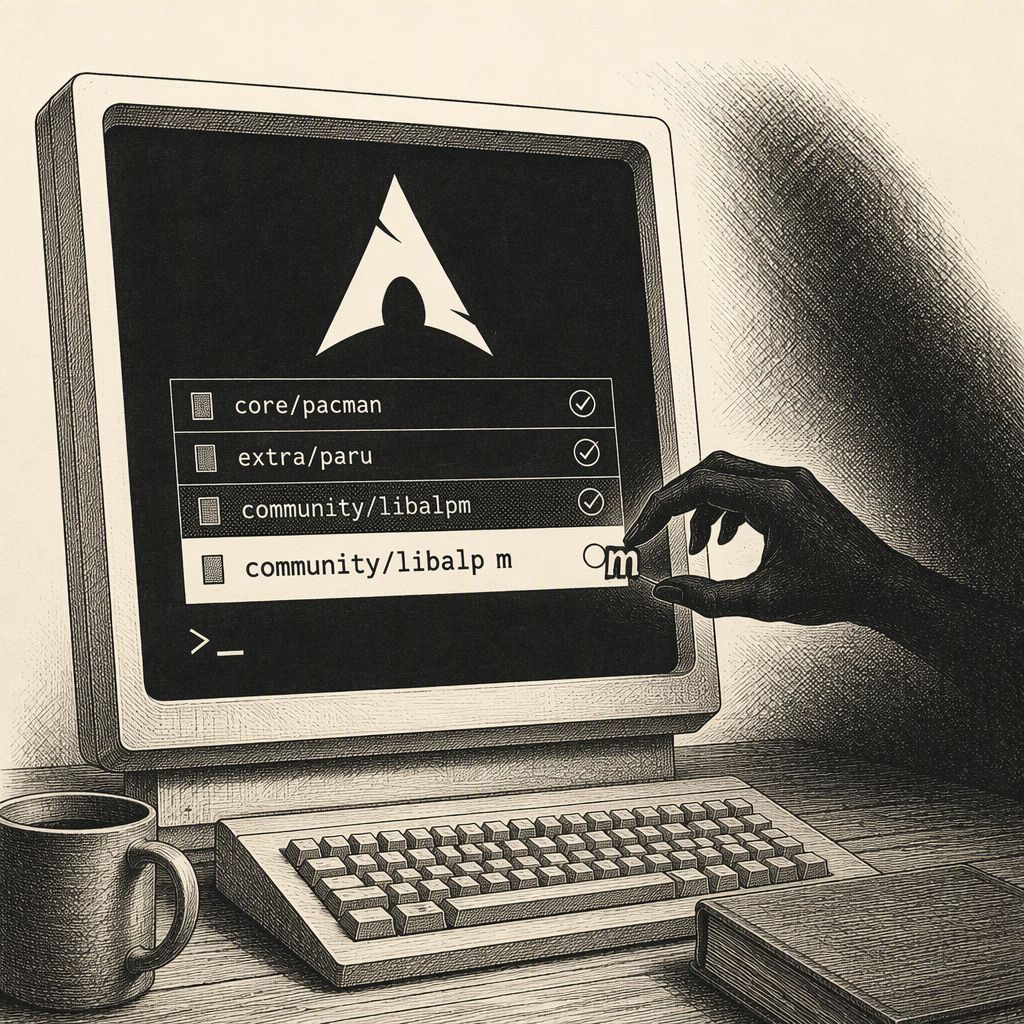
Arch Linux users who inadvertently mistyped popular package helper names while searching the Arch User Repository (AUR) may have unknowingly granted attackers root access to their systems. The Arch User Repository, a community-driven source for software not found in official repositories, hosts user-submitted build scripts for a wide range of applications.
Two prominent AUR helpers, 'yay' and 'paru', are commonly used by Arch Linux users to search, build, and install software from the AUR. However, a malicious actor, operating under the username 'marchos1as', exploited this process by uploading numerous packages that closely resembled these legitimate helpers, a technique known as typosquatting.
User James Smith first alerted the aur-general mailing list to the suspicious activity, warning that hundreds of packages had been uploaded containing malware. The threat actor specifically targeted names like 'yyay' and 'paru', aiming to trick users who might make minor typographical errors during their searches.
Andreas Reichel, an AUR package maintainer, investigated one of the malicious packages, 'yyay'. Upon running it through a malware scanner, it was flagged with 99% confidence. Reichel noted that the package appeared to be a legitimate repackaging of the 'yay' helper, but the deceptive package name and a malicious install scriptlet revealed its true nature.
This trojanized package was designed to execute arbitrary downloaded code with full root privileges during the pacman install or upgrade process. The attacker cleverly left the standard installation functions empty, making the package appear harmless at first glance, while embedding the malicious command outside of these functions. This structural deception was intended to evade casual reviewers and automated scanners.
The malicious script was downloaded from a personal project hosted on gitflic.ru. The downloaded code could deploy various payloads, including credential theft tools, backdoors, or rootkits, all operating with the highest level of system access.
Fortunately, the malicious activity was detected and addressed swiftly. Less than an hour after the initial report, another AUR maintainer, DeepChirp, confirmed the presence of malicious payloads and subsequently banned the user and deleted all associated packages. In response to the incident, Reichel indicated a temporary blocking of Russian domains, acknowledging the potential for such attacks originating from various sources.
This incident is not the first time the AUR has faced security challenges. In June, attackers compromised abandoned AUR packages to distribute credential-stealing malware, affecting an estimated 1,500 packages. Later, in July, a wave of malware led Arch Linux to temporarily suspend package adoption and halt all uploads to the AUR, highlighting ongoing security concerns within the community-driven repository.