
Apple Enhances macOS Security with Granular App Data Controls for AI Agents
Apple is introducing stricter data access controls for macOS applications, particularly those utilizing AI agents, to bolster user privacy and security.
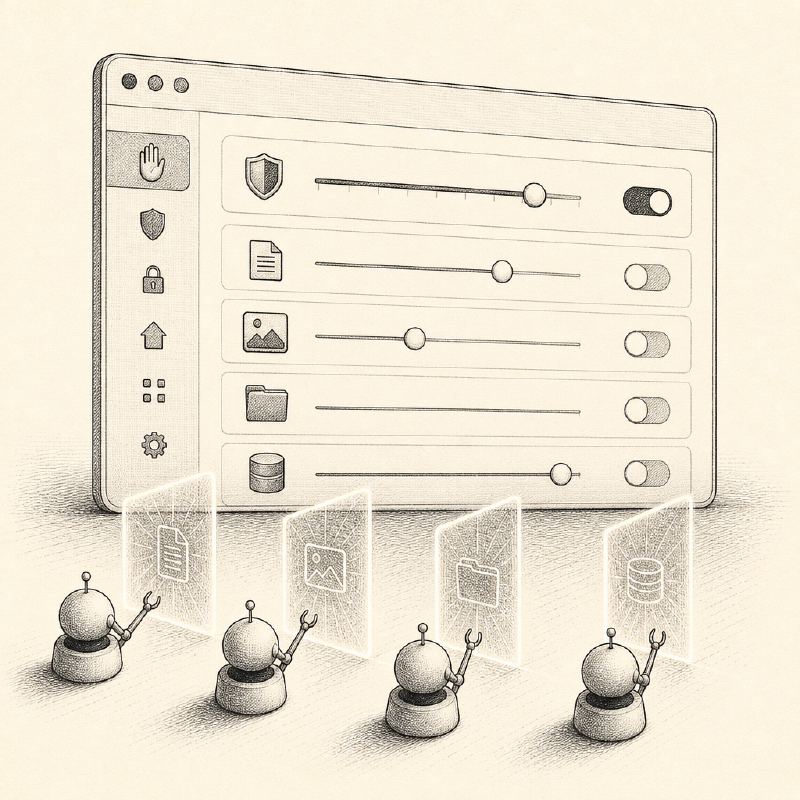
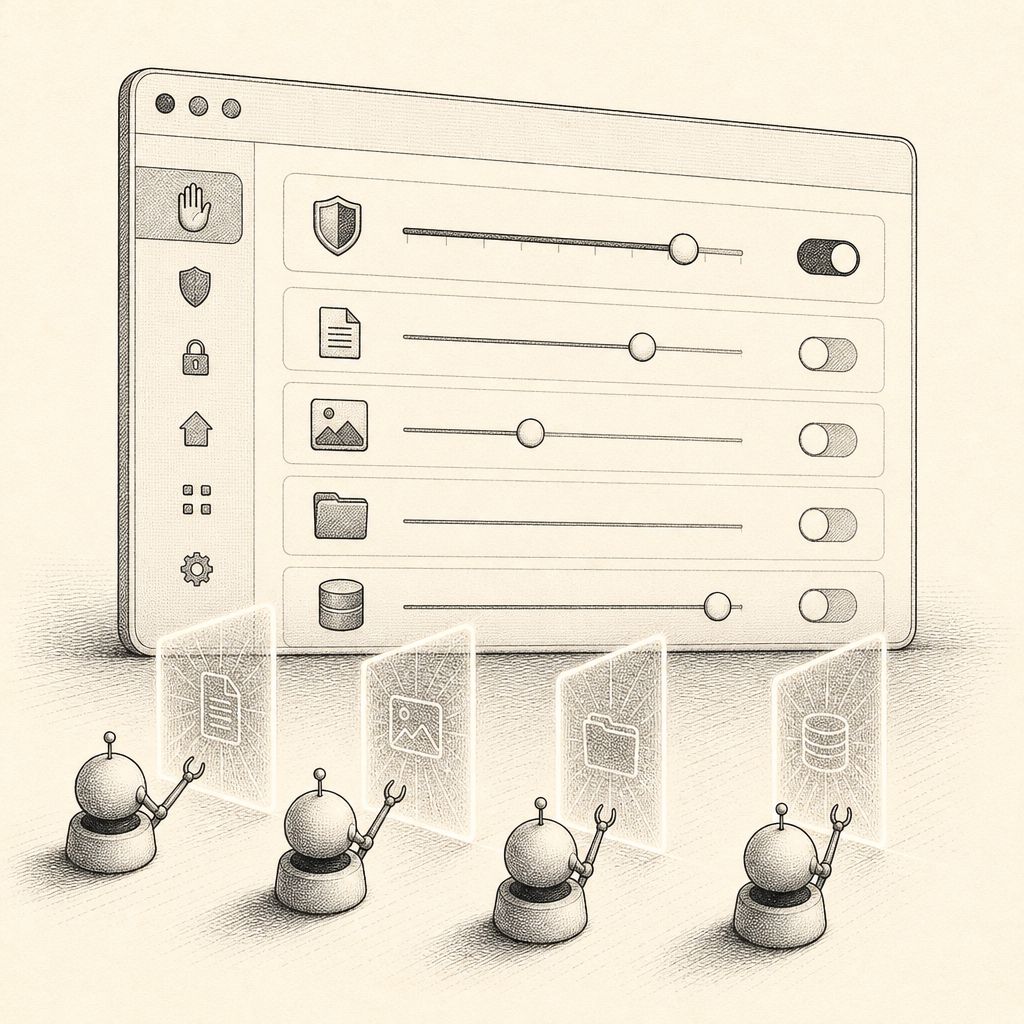
Apple is stepping up its commitment to user privacy and data security on macOS with the introduction of more granular controls for application data access. These enhancements, currently available in the macOS 27.3 beta 2 release, focus on refining the permissions granted to applications, especially those leveraging artificial intelligence (AI) agents.
The core of these updates lies in the improved transparency and control offered through Apple's Device Control and Data Access APIs, alongside the existing Full Disk Access permissions. Previously, users had a more binary choice when granting access, but the new system aims to provide a more nuanced approach, allowing users to specify precisely what data applications can interact with.
This move is particularly significant in the context of burgeoning AI technologies. AI agents, often integrated into applications for tasks ranging from content creation to system analysis, require access to substantial amounts of user data to function effectively. However, this access also presents a heightened security risk, as a compromise in an AI agent or its associated application could lead to the exposure of sensitive personal or corporate information.
By introducing more granular controls, Apple empowers users to make informed decisions about the data they share. This could involve granting an application access to specific file types or folders, rather than an all-or-nothing approach. The goal is to strike a balance between enabling powerful AI functionalities and safeguarding user privacy against potential misuse or data breaches.
The enhanced controls are expected to provide users with clearer insights into which applications are requesting access to their data and for what purposes. This increased visibility is a crucial step in building user trust and ensuring that individuals remain in control of their digital footprint on their Macs.
While the specifics of the implementation are still being refined in the beta phase, the direction is clear: Apple is prioritizing security in an era where AI is becoming increasingly integrated into everyday computing. This proactive approach aims to mitigate risks associated with AI agents before they become widespread vulnerabilities.
Users and developers alike will need to adapt to these new permission models. Developers will be tasked with clearly articulating their data access needs and ensuring their applications comply with the stricter guidelines. For users, the updated controls offer a more robust defense mechanism against potential data misuse by applications and AI agents.