
Anthropic-Themed Phishing Campaign Bypasses Top Security Tools Despite Obvious Flaws
A phishing campaign impersonating AI company Anthropic is successfully evading leading secure email gateways, highlighting gaps in current defenses despite the campaign's rudimentary tactics.
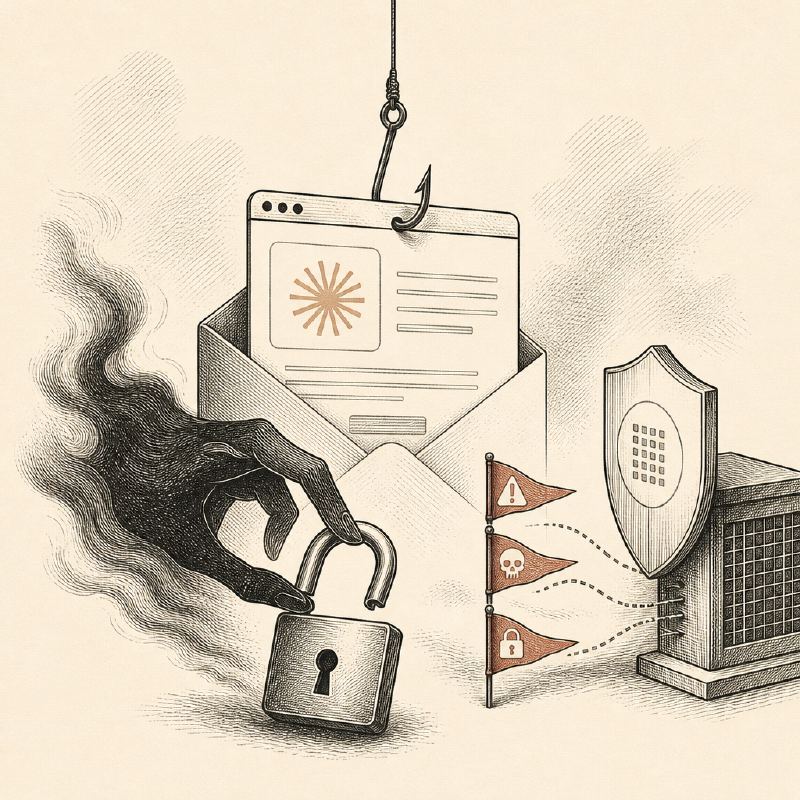
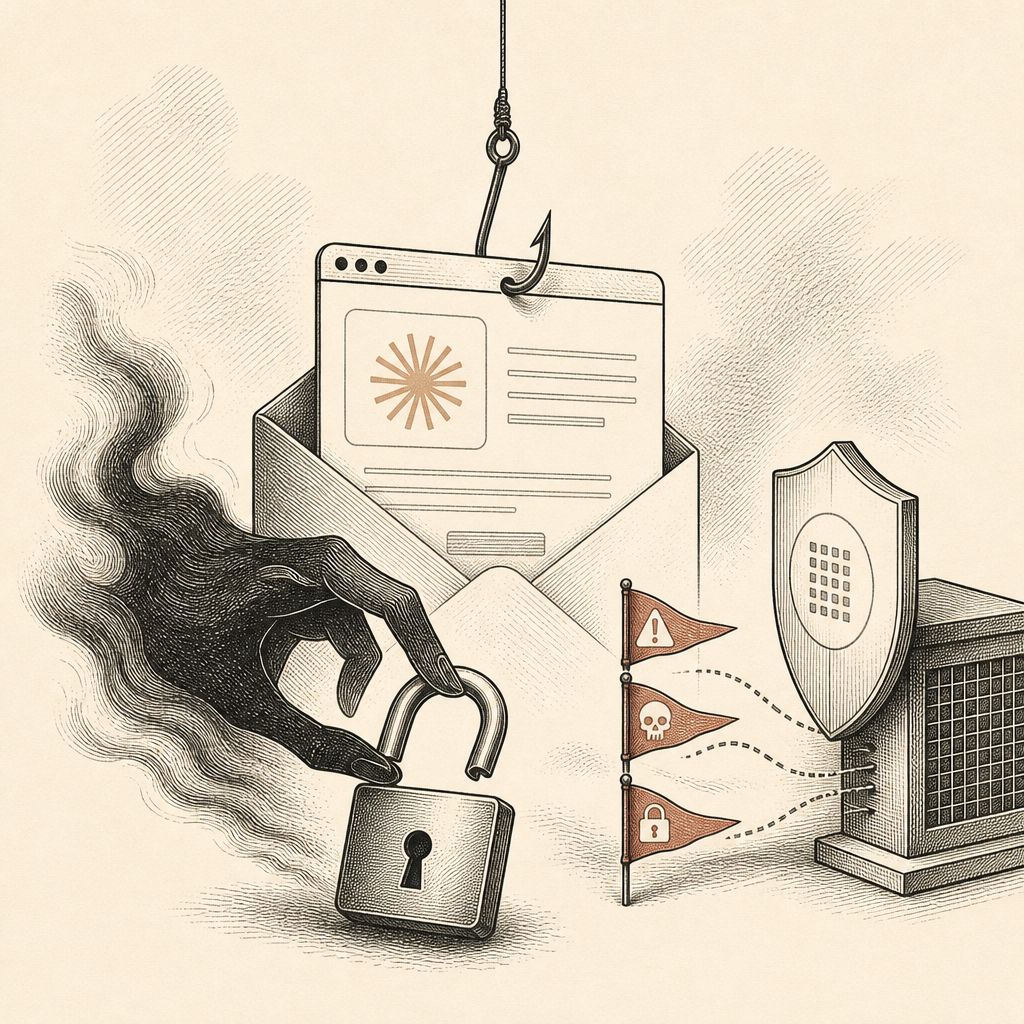
Attackers are managing to sneak low-grade phishing emails through brand name email security products, as evidenced by a recent Anthropic impersonation campaign. Since September, an unidentified threat actor has been sending out emails around the world, pretending to grant early access to Anthropic's cutting-edge artificial intelligence (AI) technology, with the ultimate goal of stealing Google and Microsoft account credentials.
Even as far as phishing campaigns go, this one's pretty lazy. Attackers are appealing to targets with VIP invites to a "private preview" of Anthropic's supposed "new social media AI tool." Emails emphasize that this special early look is "private, invitation-only." Right off the bat, there are ample reasons to be suspicious. The email titles have a grammatical error. The email sender's name includes a typo — "Austin from nthropic" — and their domain belongs to GoTo Webinar, not Anthropic. Visually, the messages are barebones, possessing no visual elements that even attempt to impersonate Anthropic branding.
If for some reason someone actually clicks on the fake registration link — a link that doesn't point to an Anthropic or even a conferencing app domain — they'll end up on a fake Zoom meeting page. If, further, the victim doesn't catch that a GoTo Webinar invite led to a Zoom call, they might choose to sign into Zoom via Google or Microsoft Single-Sign On (SSO). If they choose Google, they won't even be prompted for a password, thus making half of this malicious campaign completely useless, even to the attacker running it.
Inconsistent brand impersonations and missing or broken data theft flows are endemic to AI-generated campaigns; Cofense couldn't confirm if AI was used here. However, due to the multiple variations of Zoom pages, it's likely generative AI was used, according to Cofense researcher Jacob Malimban. He points to one bit of additional evidence: Beginning Oct. 28, the threat actor began spoofing Anthropic's website instead of Zoom's. The similar but slightly off format of the Anthropic spoofing page, he says, also suggests AI generation.
The overall package is so maladroit that one can only wonder how such an email bypassed any spam filter in the first place. In fact, Cofense found these emails getting through market-leading email security products like the Proofpoint Secure Email Gateway (SEG) and Microsoft Defender for Office 365. Cofense pointed to a few little details that might help explain why. First, the emails are sent from a legitimate email address, customercare@gotowebinar[.]com — a shared sender address that any GoTo Webinar user might use to distribute webinar information. The legitimacy and ubiquity of this shared address shields the sender from scrutiny.
Second, the malicious registration link in the emails was run through a URL shortener, Zapier, eliminating a security product's ability to interpret red flags in the domain itself. Lastly, the phishing flow incorporates two separate CAPTCHAs. The first — a Cloudflare CAPTCHA, presented before the fake Zoom or Anthropic page — is meant to stop an automated scanner in its tracks. The second CAPTCHA — placed between the fake Zoom or Anthropic page and the fake SSO page — is a malicious twist on the form, designed to block VPN services, Tor browsers, and other tools defenders might use.
To Keeper Security chief information security officer (CISO) Shane Barney, it's no surprise that threat actors are successfully bypassing perimeter email defenses, even with cookie cutter tactics, techniques, and procedures (TTPs). "The reality of modern cybersecurity is that Secure Email Gateways (SEGs) will always have blind spots," he says. Barney adds that organizations should assume phishing emails will end up in employees' email inboxes, and therefore security teams need to build defenses that focus on identity. "If an employee is tricked by a fake Anthropic lure and their Microsoft or Google credentials are compromised, strict least-privilege access policies, phishing-resistant multifactor authentication and privileged access management are what prevent the attacker from moving laterally, elevating privileges and accessing sensitive data," he advises.
In the spirit of Cybersecurity Awareness Month 2026, and its emphasis on avoiding and reporting phishing scams, Malimban adds, "We hope that employees are trained using Secure Behavior Management to recognize and report phishing. To defend against suspicious account access, organizations should have robust account monitoring, like with CISA's free tool (Logging Made Easy). All in all, having multiple controls and defense in depth is necessary to defend..."