
Anthropic's Claude Code Compliance API Enhances Visibility into Local AI Agent Activity
Anthropic's new Compliance API for Claude Code provides security teams with crucial visibility into local AI agent actions, though it highlights challenges in verifying legitimate access.
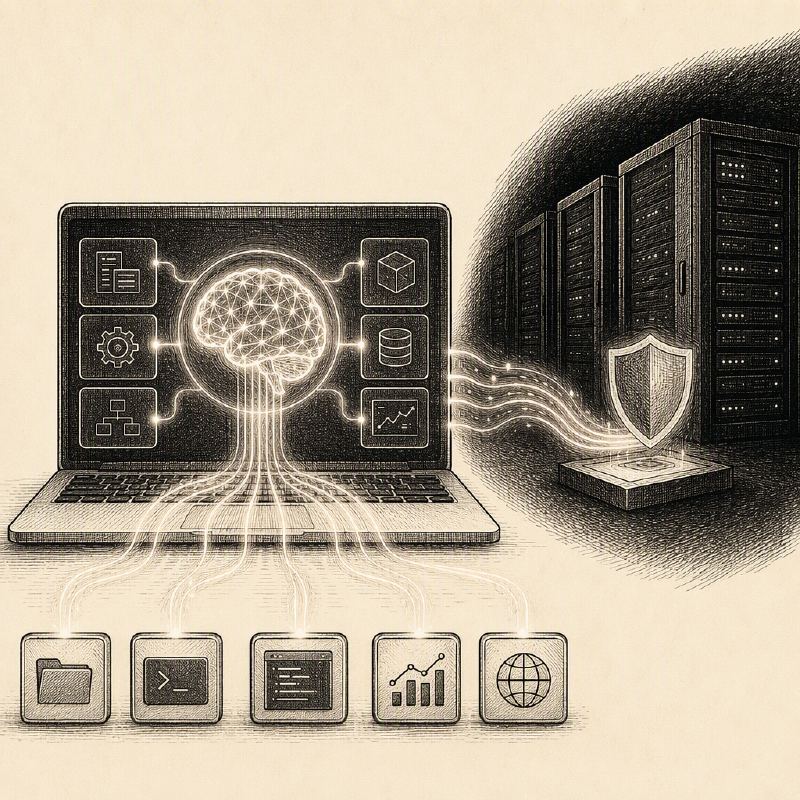
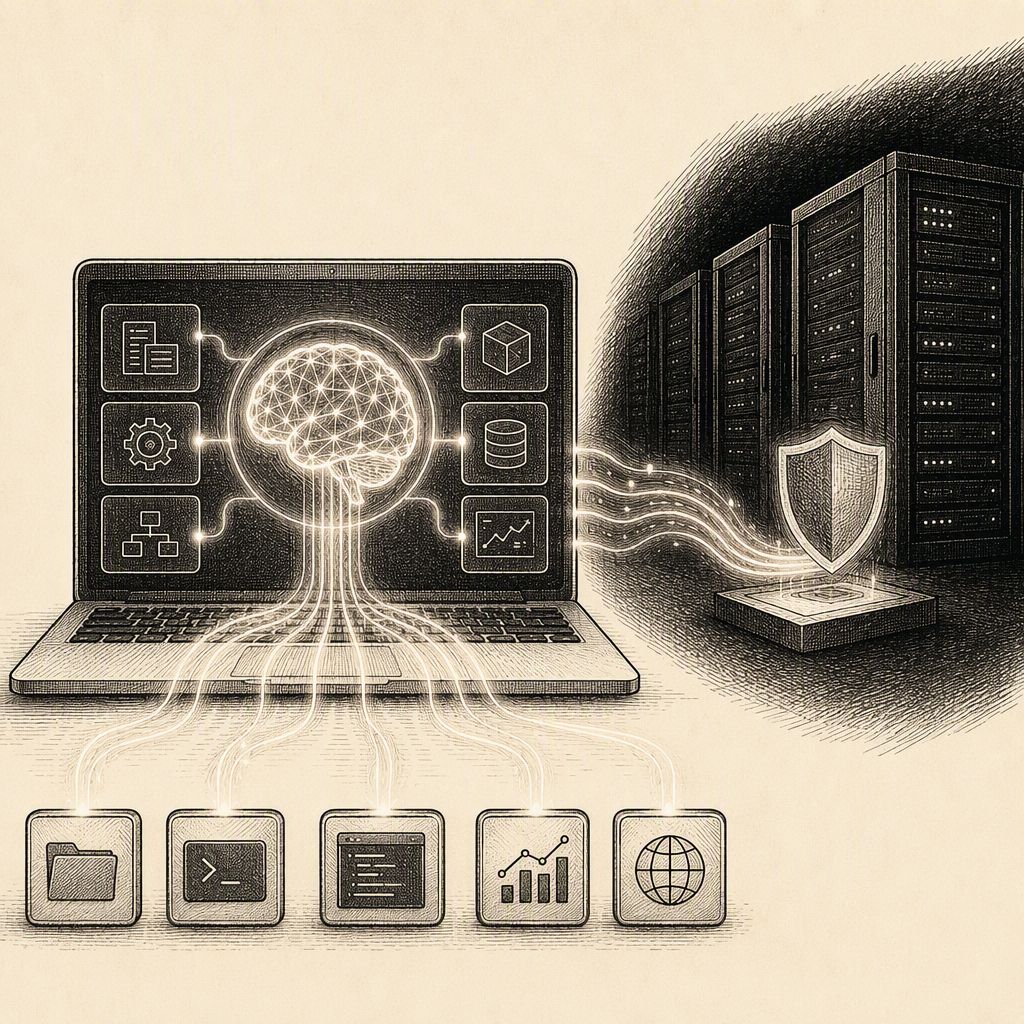
Anthropic has introduced a new Compliance API for its Claude Code offering, designed to give security teams unprecedented visibility into the activities of AI agents operating directly on developer endpoints. These agents, such as Claude Code, are capable of reading files, executing shell commands, and interacting with third-party services via Model Context Protocol (MCP) servers, skills, and plugins. The new API endpoints aim to shed light on these operations, which are critical for developers seeking to offload tasks and focus on creative work.
Local AI agents represent a significant portion of discovered AI agents in enterprise environments, accounting for 68.6% according to Token Security. A key challenge with these local agents is that they often inherit the credentials, network positioning, and permissions of the user whose machine they are running on. This shift from centralized cloud-based AI to endpoint-resident agents introduces substantial security implications, as traditional monitoring consoles are insufficient for managing local configurations, identity, and access.
Prior to the introduction of these new endpoints, Anthropic's native controls offered limited insight into Claude Code's operations, compelling organizations to rely on third-party extensions for basic governance. The newly added local session transcript endpoints within the Compliance API aim to rectify this by offering better governance capabilities for local agents, while also acknowledging the inherent limitations in verifying the legitimacy of an agent's access solely through activity logs.
The distinction between a harness and a chatbot is crucial for understanding Claude Code's security posture. While the Large Language Model (LLM) acts as the 'brain,' processing input and generating responses, the 'harness' is the component that executes commands, authenticates to external services, and manages the overall interaction. This harness component runs on the developer's endpoint, making endpoint telemetry vital for security monitoring, even though cloud services cannot see these local operations.
The integration of local AI agents challenges the traditional SaaS security model, which typically offers centralized dashboards for monitoring, policy management, and access control. Local harnesses place a greater burden on administrators, as visibility and control must extend to the endpoint. A Cloud Security Alliance survey indicated that while many professionals rate their visibility into AI agents highly, a significant majority have discovered unknown agents within their environments.
Anthropic's managed settings provide a baseline policy for Claude Code installations, configured via JSON files on Mac/Linux or registry records on Windows. These settings, which can be enforced through an enterprise plan's GUI or an MDM solution, include allow/deny lists for MCP servers and regexes for bash commands. However, these static policies can be restrictive for developers and may not adapt to the rapid pace of AI development, lacking contextual awareness or intent.
The updated Compliance API now includes specific endpoints for local sessions, such as GET /v1/compliance/apps/sessions/local, GET /v1/compliance/apps/sessions/local/{session_id}, and GET /v1/compliance/apps/sessions/local/{session_id}/messages. These endpoints provide metadata and transcripts of agent interactions with Anthropic's models, logging communications in text, tool_use, and tool_result formats. This granular data offers a clearer picture of what agents are doing, including user prompts, executed commands, and data read/written.
While the Compliance API offers enhanced visibility, it underscores a persistent challenge: activity logs alone cannot definitively confirm whether an agent's access is legitimate or malicious. The harness, residing on the endpoint, holds information that even Anthropic's cloud services cannot fully access. Effective governance requires a layered approach, combining Anthropic's provided data with endpoint telemetry and further analysis to connect agent activity to owner, intent, credentials, and permissions.