
Anthropic's Claude Code Adds AI-Powered UI Design Capabilities
Anthropic introduces a research preview /design skill for Claude Code, enabling developers to generate and refine editable UI prototypes directly from natural language prompts.
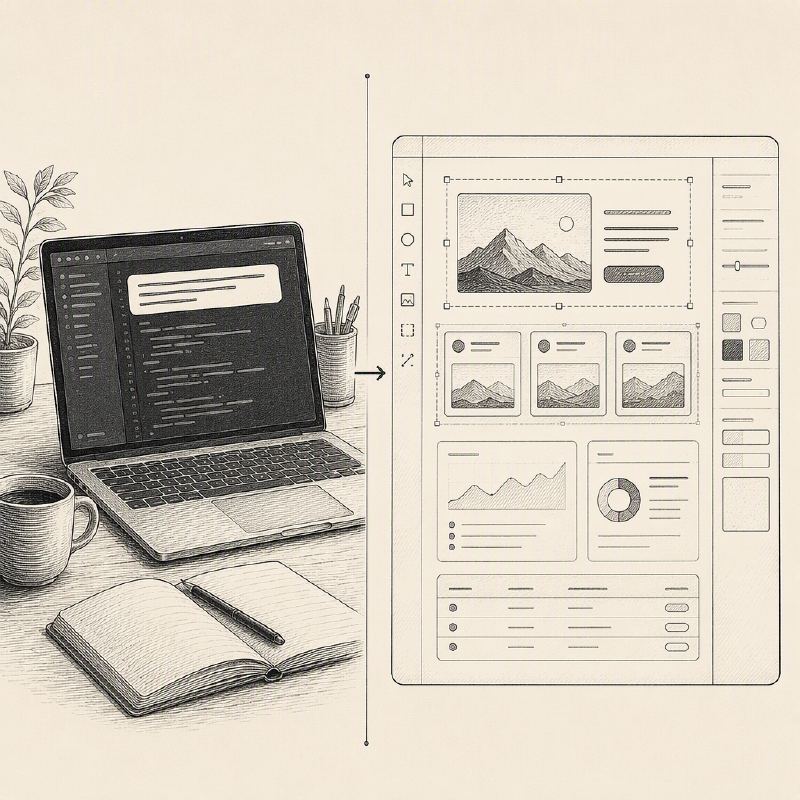
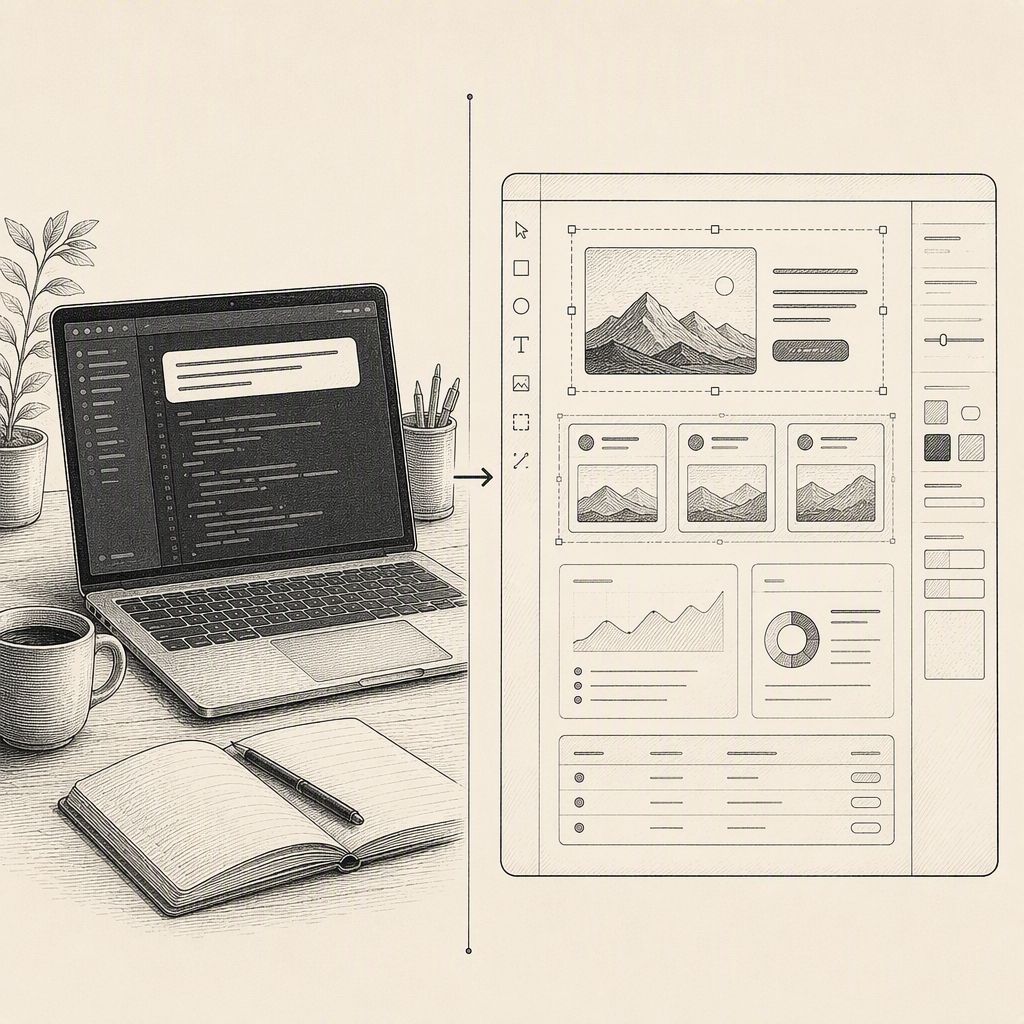
Anthropic has expanded its developer-focused AI platform, Claude Code, by introducing a new /design skill. This feature, currently in research preview, integrates Claude Design's artboard workflow into both the Claude Code command-line interface and its desktop application. The innovation allows developers to generate editable UI prototypes from natural language prompts, streamlining the early stages of product development.
The new capability moves Claude Code beyond its role as a pure coding assistant. Developers can now initiate UI design by typing /design within a Claude Code session. The AI can then generate visual interface drafts, which are presented as editable artboards. This allows users to select a preferred design, make necessary refinements to layout or specific elements, and then instruct Claude to convert the finalized design into working code. This workflow is built upon Anthropic's Artifacts format, designed for generating and editing interactive outputs.
This integrated approach aims to reduce friction in the product development lifecycle. Traditionally, moving from initial design concepts to implementation involves multiple tools and handoffs between design and development teams. Claude Code's /design skill bridges this gap, allowing for a more fluid transition from natural-language requirements to visual prototypes and finally to code generation within a single environment.
For instance, a developer working on a security operations dashboard could specify desired components like an alert queue, severity filters, and an incident timeline. Claude could then present several dashboard layout options as editable artboards. The developer could then tweak elements such as alert prioritization or dark-mode contrast before asking Claude to implement the chosen interface.
While the new feature promises to accelerate development, cybersecurity professionals caution that generated code still requires rigorous review. Developers must validate the security of the code, checking for vulnerabilities such as insecure patterns, improper input validation, client-side data exposure, and adherence to secure secret management practices. Visual prototypes themselves can also inadvertently normalize insecure design patterns, necessitating careful scrutiny.
The /design skill is available to subscribers of Claude Pro, Max, Team, and Enterprise plans, who may need to update their Claude Code application to access the feature. The integration signifies a broader trend towards AI development environments that encompass planning, design, coding, and iteration within a unified workflow.
Ultimately, the practical value for engineering teams will hinge on the ease of editing generated artboards, the accuracy with which they reflect initial requirements, and the ability to translate these designs into secure, maintainable production code. The move also highlights the growing importance of AI-assisted development tools and the associated security considerations for organizations adopting them.