
Anthropic's Claude AI Gains Agent Capabilities, Can Now Send Emails and Manage Google Drive Files
Anthropic's Claude AI has evolved from a passive assistant to an active agent, gaining the ability to send emails via Gmail and manage files within Google Drive, expanding its utility but also its potential attack surface.
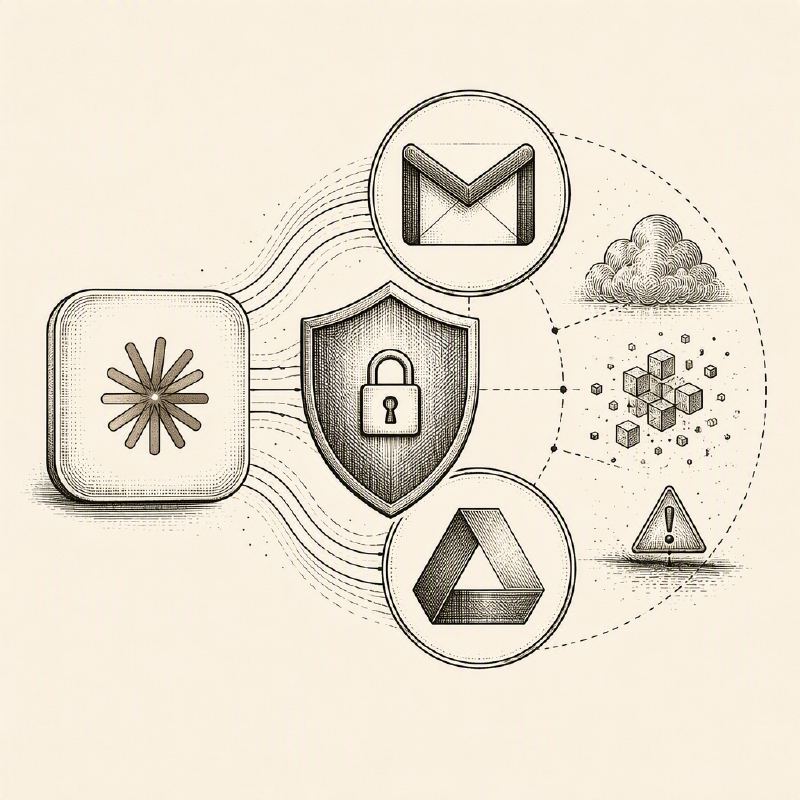
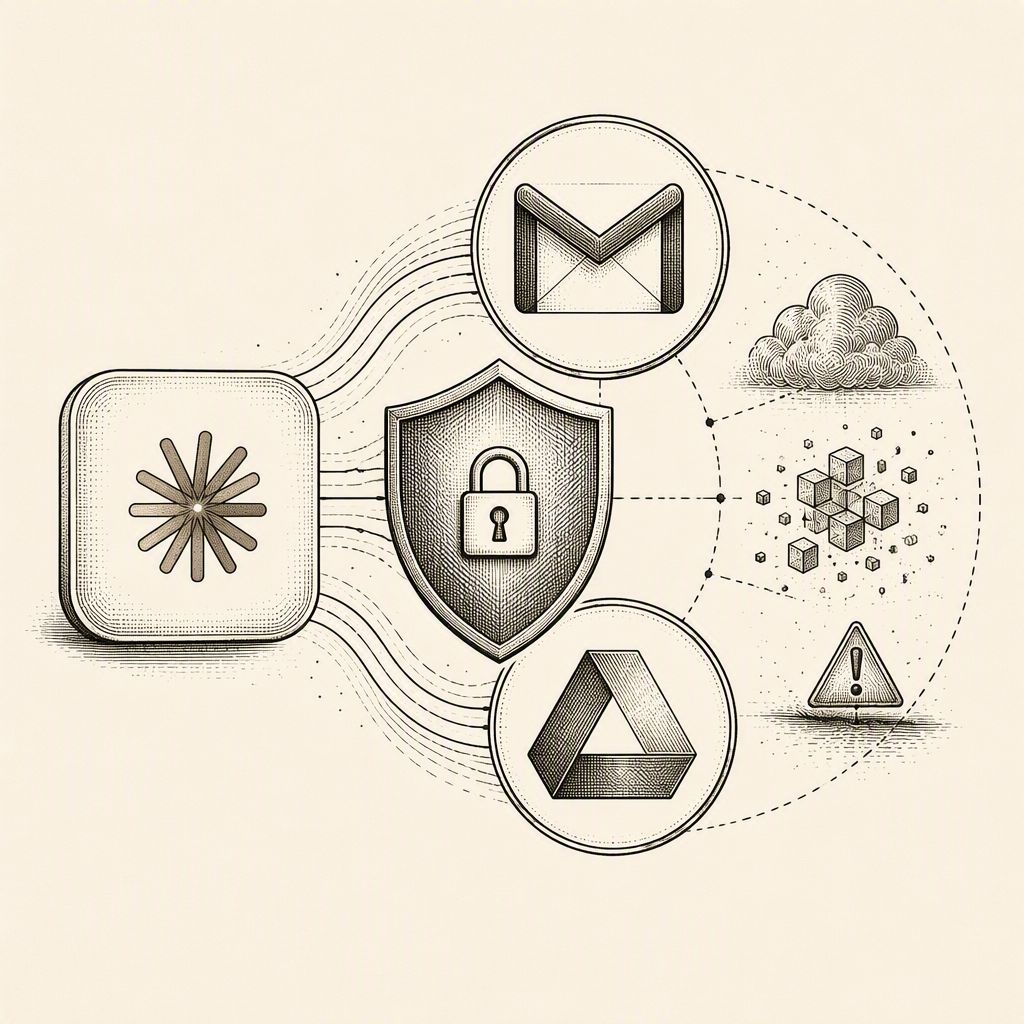
Anthropic's AI assistant, Claude, has taken a significant step towards becoming a more integrated digital agent with the introduction of new capabilities allowing it to directly interact with user accounts in Google Workspace. Announced on August 18, 2026, Claude can now send emails through Gmail and manage files in Google Drive, moving beyond its previous role of drafting content to actively performing actions on behalf of the user.
Previously, Claude's integration with Google Workspace primarily focused on reading information and drafting responses. The new functionality enables Claude to send, reply to, and forward emails, as well as share, move, and trash files within Google Drive. By default, these write actions require explicit user approval, providing a crucial layer of control. However, for Team and Enterprise plans, administrators have the option to enable 'always-allow' permissions, which could permit write actions to proceed without individual prompts.
This evolution transforms Claude from a conversational chatbot into an agent capable of executing tasks within a user's digital environment. While this enhances productivity by automating routine tasks, it also introduces new security considerations. The ability to send emails or modify files means that a compromised prompt, a successful prompt injection attack, or even a simple misinterpretation by the AI could lead to unintended consequences, such as sending sensitive information externally or deleting critical data.
The security implications are substantial. Unlike a draft email that can be reviewed and edited before sending, a sent email or a trashed file is often irreversible. Security teams are advised to carefully configure Claude's access within their organizations. This includes enabling connectors only after careful consideration, enforcing approval workflows for write actions, and marking Claude as a trusted application within Google Workspace's third-party API controls.
Anthropic has stated that Claude authenticates through the user's Google account and adheres to existing Workspace permissions, accessing only the minimum data necessary for a given task. Data retrieved via these connectors is stored encrypted on Anthropic's servers and can be deleted by removing the chat. The company also clarified that it does not use data from Gmail, Drive, or Calendar connectors for model training, though users who have opted into training on consumer plans should still exercise caution with sensitive information.
While Claude cannot access the content of Gmail attachments (only metadata) and extracts text from Drive files rather than images or comments, these limitations do not fully mitigate the risks associated with send, share, move, or trash actions. The potential for data loss or unauthorized communication remains a significant concern.
Practical security advice for users and administrators includes keeping default approval settings enabled for write actions, avoiding 'always-allow' permissions for mailboxes containing sensitive data, and testing Claude's actions with self-directed messages before allowing it to interact with live threads or critical files. The expanded capabilities of AI assistants like Claude necessitate a proactive approach to security configuration and user education to harness their benefits safely.
This development underscores a broader trend in AI integration, where AI assistants are increasingly becoming active participants in digital workflows. As these agents gain more agency, the focus on robust security controls, granular permissions, and user awareness becomes paramount to prevent potential misuse and protect sensitive data.