
Anthropic Enhances Claude Security with Enterprise-Managed Authorization for Connectors
Anthropic's Claude AI now offers enterprise-managed authorization for its Model Context Protocol (MCP) connectors, integrating with identity providers like Okta to centralize access control for workplace tools.
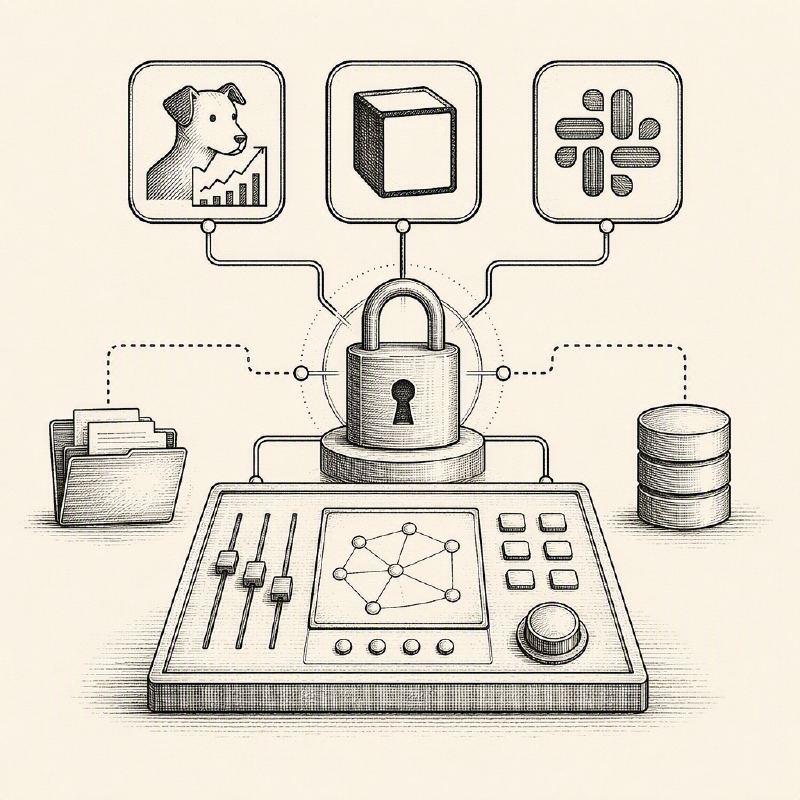
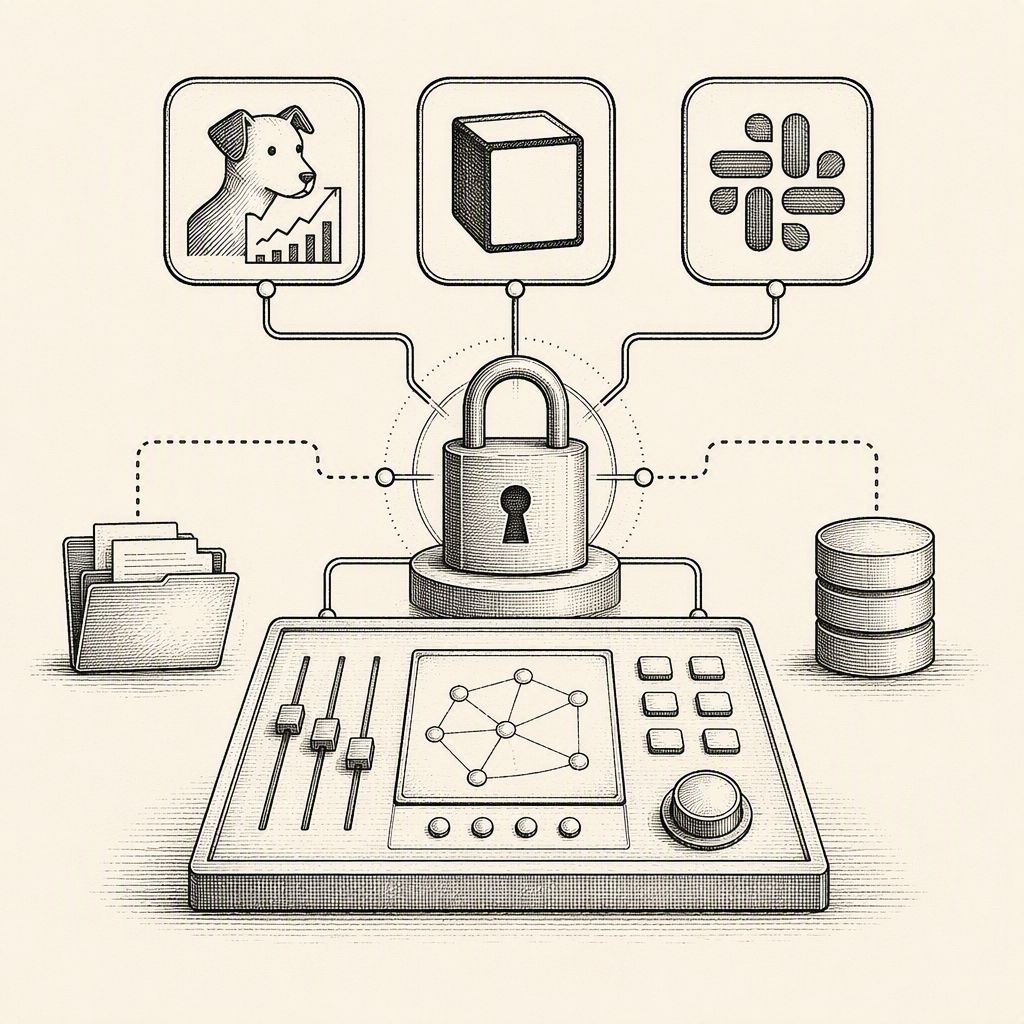
Anthropic has announced the general availability of enterprise-managed authorization for its Model Context Protocol (MCP) connector framework, a significant step towards streamlining enterprise adoption of its AI tools. This new feature, which expands support to popular workplace applications such as Datadog, Notion, and Slack, addresses a key friction point that previously hindered widespread deployment.
Previously, enabling MCP connectors required a two-step process: administrators had to activate the connector for the organization, and then each individual employee needed to manually authorize it. This fragmented approach created inconsistent access patterns and security concerns for IT teams. The enterprise-managed authorization feature eliminates this redundancy by allowing administrators to authorize a connector once, with employees automatically inheriting access based on their existing identity provider (IdP) groups and roles.
The integration leverages Okta as the initial identity provider, with support for additional providers expected soon. This capability is the first production implementation of the Enterprise-Managed Authorization extension to MCP, an open standard designed to allow any connector, including custom-built ones, to adopt similar secure authorization behaviors. By integrating with Okta's Cross App Access protocol and Identity Assertion JWT Authorization Grants, the feature extends existing OAuth infrastructure rather than introducing a new, separate authentication surface for security teams to manage.
For administrators, this enhancement offers substantial benefits beyond mere convenience. By incorporating MCP access into the same IdP workflow that governs other SaaS applications, access can be precisely scoped by group, centrally audited, and revoked instantaneously. This centralized control is crucial as AI tools increasingly interact with sensitive business data and production systems.
Anthropic highlights that the frictionless nature of checking access against the IdP allows administrators to safely shorten access token lifetimes. This means that when an employee is deprovisioned, their connector access expires quickly, mitigating the risk of lingering access via stale tokens. Furthermore, administrators can enforce IdP-only authentication, preventing employees from inadvertently linking personal accounts to workplace tools.
This unified approach to access control reinforces Anthropic's strategy of treating identity as a central control plane across its product suite, ensuring consistency across Claude chat, Claude Code, and Cowork. Companies like Ramp, Webflow, and HubSpot are already implementing this enterprise-managed auth, with Ramp reportedly provisioning approximately 2,000 employees without manual setup steps.
The introduction of enterprise-managed authorization for Claude's MCP connectors signals a broader industry trend recognizing that AI tooling must adhere to the same rigorous identity and access management principles applied to all other enterprise software. This move is essential for securely integrating powerful AI capabilities into business workflows, ensuring that access is governed, auditable, and manageable.