
Anthropic Embeds Invisible Watermarks in Claude AI Outputs for Content Provenance
Anthropic is implementing invisible watermarks and signed metadata for all Claude AI outputs to help identify AI-generated content, aligning with EU AI Act transparency requirements.
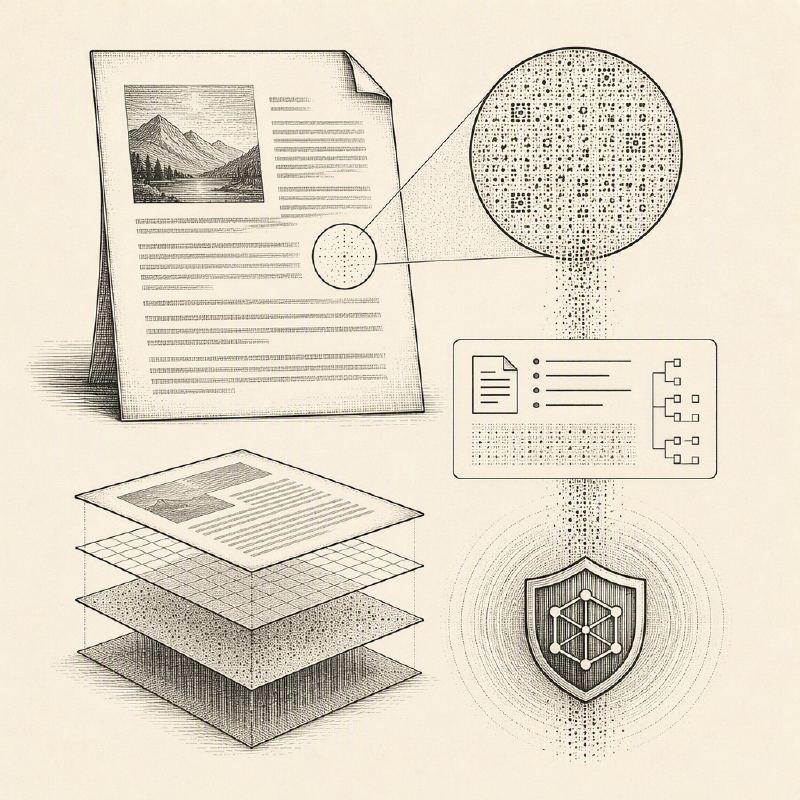
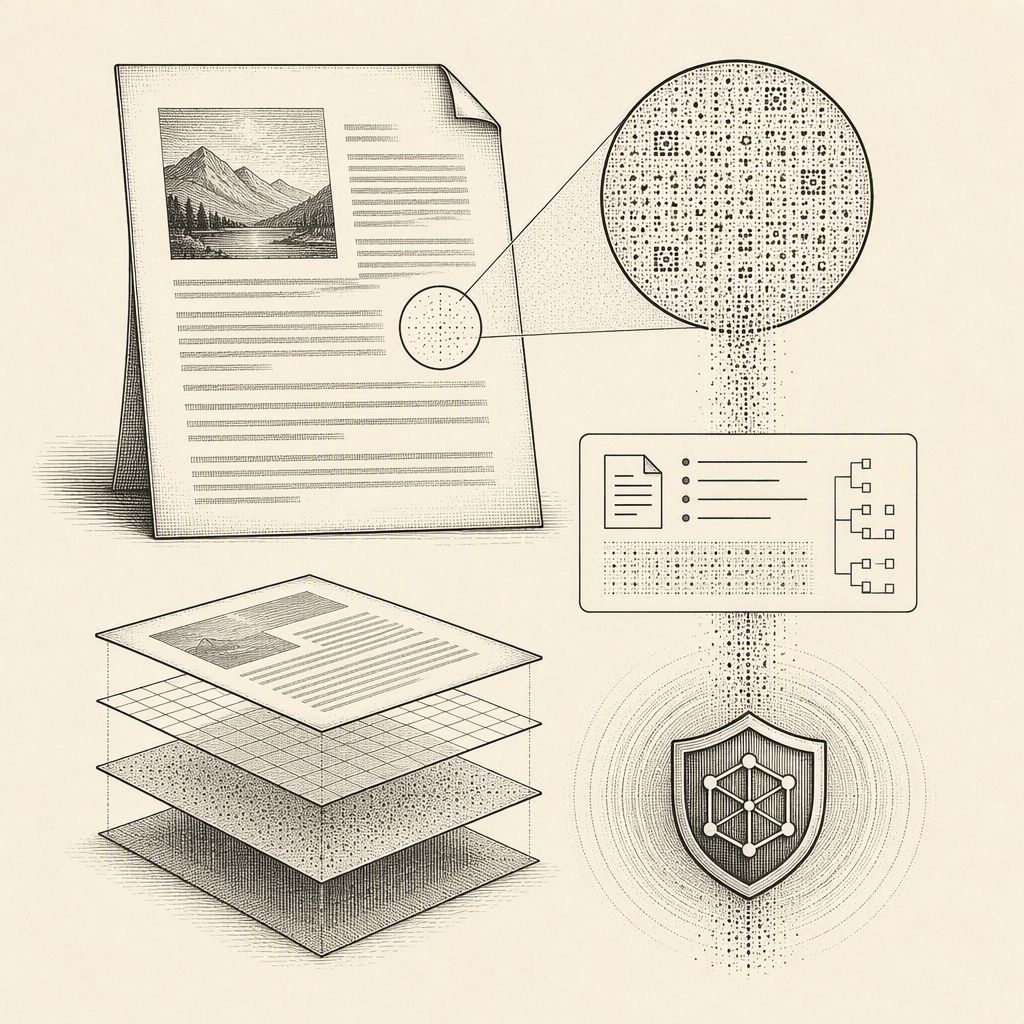
Anthropic has announced a significant step towards ensuring transparency in AI-generated content by implementing invisible watermarks and signed metadata for all outputs produced by its Claude AI models. This initiative is a direct response to the growing need to distinguish between human-created and AI-generated material, particularly in light of emerging regulations and ethical considerations.
The company has committed to signing the European Union AI Act's Article 50(2) Code of Practice on Transparency of AI-Generated Content, making this watermarking system a key component of its compliance strategy. The system is designed to be globally applicable, not just within the EU, and will be integrated into Claude's website, API platform, and various cloud-based services.
Anthropic is employing two primary methods for content marking. The first involves embedding an invisible, machine-readable watermark directly into the text generated by Claude models. This watermark is engineered to be undetectable by human readers, preserving the quality, style, and readability of the content. Crucially, it is built into the model's output itself, meaning it should persist even when the text is copied, pasted, or slightly edited across different platforms and documents.
However, Anthropic acknowledges that the watermark's detectability can be compromised by extensive modifications such as significant rewriting, paraphrasing, translation, or substantial integration with human-written content. The company is actively working on refining the watermark's resilience against such manipulations while ensuring it does not impede legitimate content usage.
The second marking method focuses on digital provenance metadata for image files. When Claude generates or processes images in formats like .svg, .png, and .jpg, Anthropic will attach metadata adhering to the Coalition for Content Provenance and Authenticity (C2PA) open standard. This metadata provides a verifiable record of the content's origin and any subsequent modifications, helping to confirm if Claude processed the file and whether its metadata has been tampered with.
While C2PA metadata offers robust verification, Anthropic notes its limitations. It can be removed through file conversions, re-saving, editing with unsupported tools, or even via screenshots. Furthermore, its availability may vary across different cloud platforms due to their unique file-handling capabilities. Anthropic is also developing tools to enable users and third parties to detect these watermarks and provenance information.
The company emphasizes that the presence of a watermark or metadata does not definitively prove Claude as the original author, as users can submit human-created content for processing. Conversely, the absence of a watermark does not confirm human authorship. Anthropic is working to extend marking support to older Claude models and plans to release more detailed technical guidance on detection, supported file types, and implementation as the system rolls out.