
Amutable Foundations Reimagines Linux Security with No SSH and Immutable Images
Amutable Foundations introduces a novel Linux system that eliminates SSH and traditional package managers, prioritizing verifiable integrity through signed reports and immutable images.
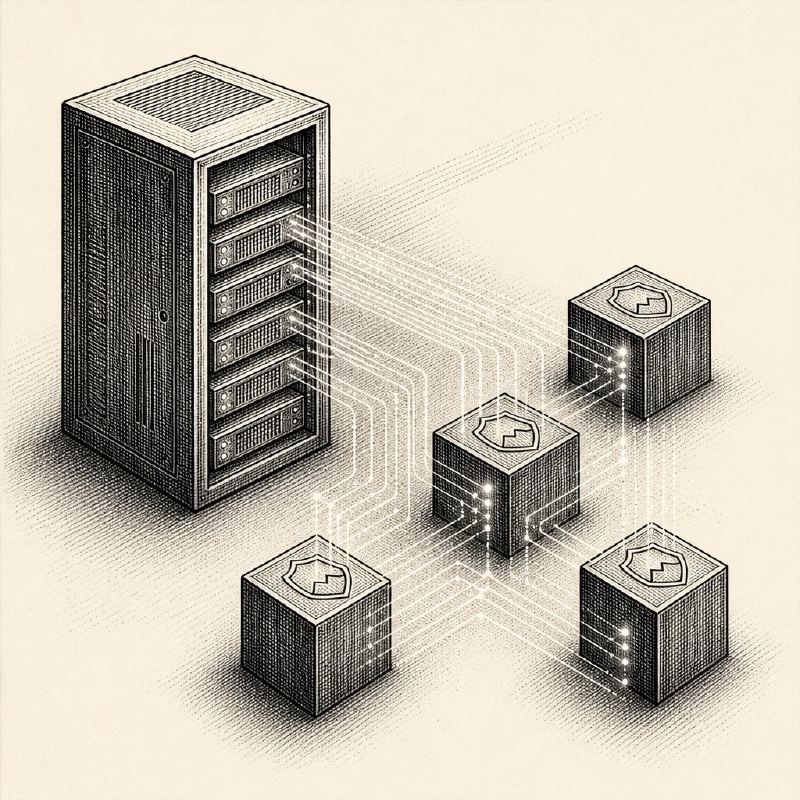
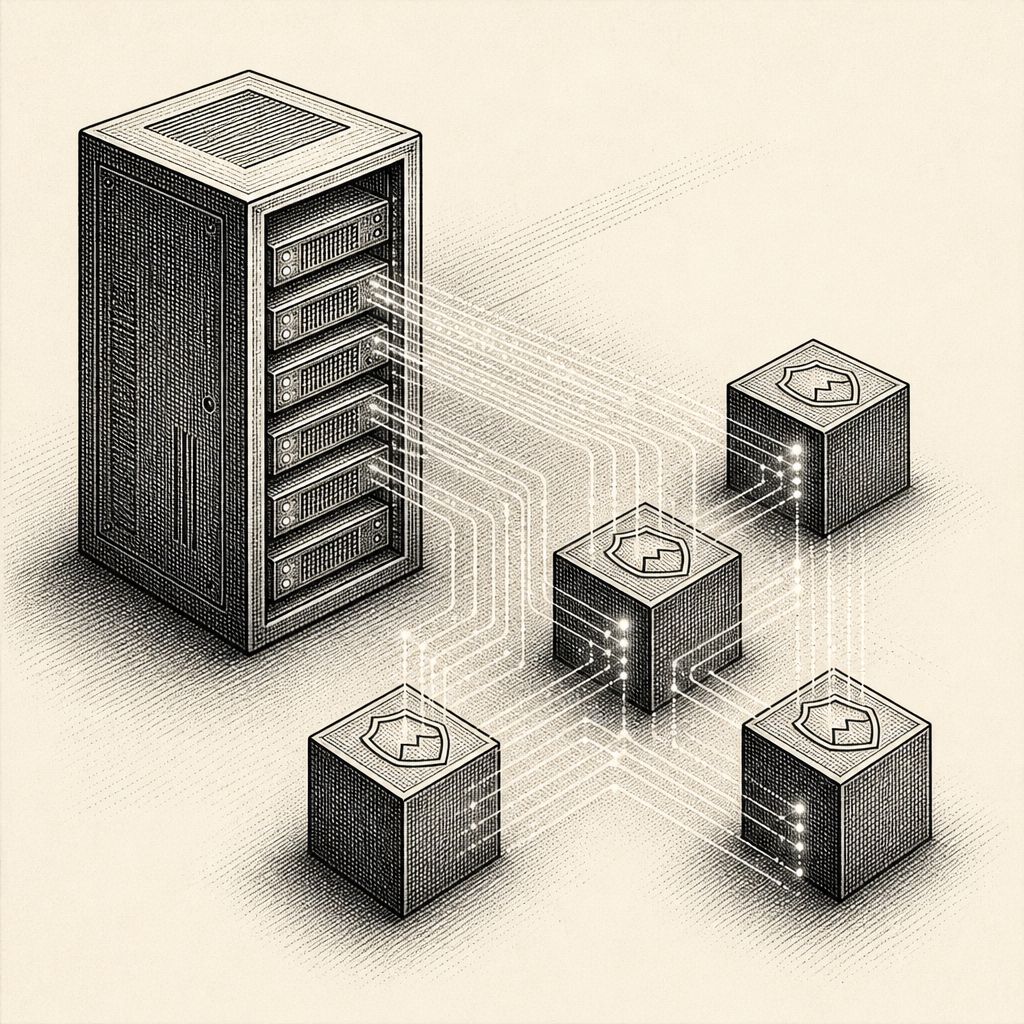
Amutable has opened signups for a private preview of its new Linux system, Amutable Foundations, designed to fundamentally change how administrators manage and secure Linux fleets. The core innovation lies in its approach to system integrity and auditability: each machine generates a signed report detailing its software and configuration, leveraging local hardware for enhanced verification. This system aims to provide a new standard for verifiable integrity across distributed Linux environments.
Central to Amutable Foundations' security model is the complete removal of traditional remote access and management tools. There is no SSH access, and crucially, no package manager. Instead, the intended state of each machine is managed in version control. A dedicated build system compiles this state into signed images, which are then used to update machines. This immutable approach means the only way to alter a system is by deploying a new, cryptographically signed image, ensuring that any changes are deliberate and authorized.
At boot, Amutable Foundations rigorously verifies its entire software stack, from firmware and bootloader to the kernel and operating system. Measurements of these components are securely logged in a Trusted Platform Module (TPM) or via CPU attestation for confidential VMs. This hardware-backed root of trust ensures that the system's integrity can be proven from the moment it starts up. Periodically, and at critical stages like boot, each machine transmits a signed report of its measured state.
A control plane then scrutinizes these reports. It verifies them against the hardware root of trust and compares them to the declared, intended state. Any machine whose measurements deviate from the expected configuration is flagged. This mechanism prevents divergent systems from accessing sensitive resources or participating in the cluster, effectively quarantining compromised or misconfigured nodes.
Amutable argues that current methods of establishing machine identity are fragile. Host keys, client certificates, API tokens, and cloud instance identities can all be compromised, leaked, or presented by a tampered machine. Amutable Foundations ties a machine's identity directly to its verifiable, signed statement of measured state. This means a machine can be denied new credentials or access if its reported state is outdated or does not match its declared configuration, significantly enhancing security posture.
The company highlights two key gaps in current practices that Amutable Foundations addresses. Firstly, system configuration often exists outside of signed image data, making it difficult for hardware-backed trust mechanisms to measure and verify. Secondly, the widespread use of shared join tokens for cluster setups is identified as a weak point, susceptible to compromise. By integrating configuration into signed images and relying on measured state for identity, Amutable Foundations aims to close these security loopholes.
Furthermore, Amutable points to evolving regulatory landscapes, such as the EU Cyber Resilience Act, which enforces vulnerability reporting obligations. The company suggests that its approach to verifiable integrity and auditable systems will help organizations meet these stringent compliance requirements, particularly as the act's full provisions come into effect.
Amutable Foundations represents a significant departure from conventional Linux system management. By embracing immutability, hardware-rooted trust, and signed reports, it offers a compelling new paradigm for organizations prioritizing robust security, auditability, and verifiable integrity in their infrastructure.