
Alice & Bob Claims Quantum Leap in Breaking RSA-2048 Encryption
French quantum computing startup Alice & Bob claims a significant breakthrough, estimating RSA-2048 encryption could be broken in just three days using 23,000 cat qubits.
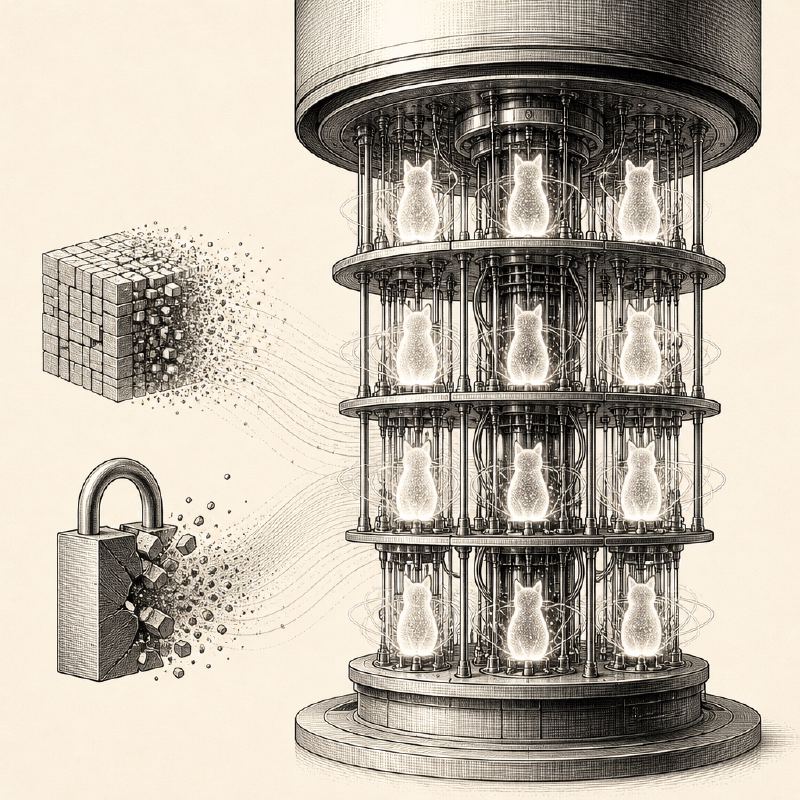
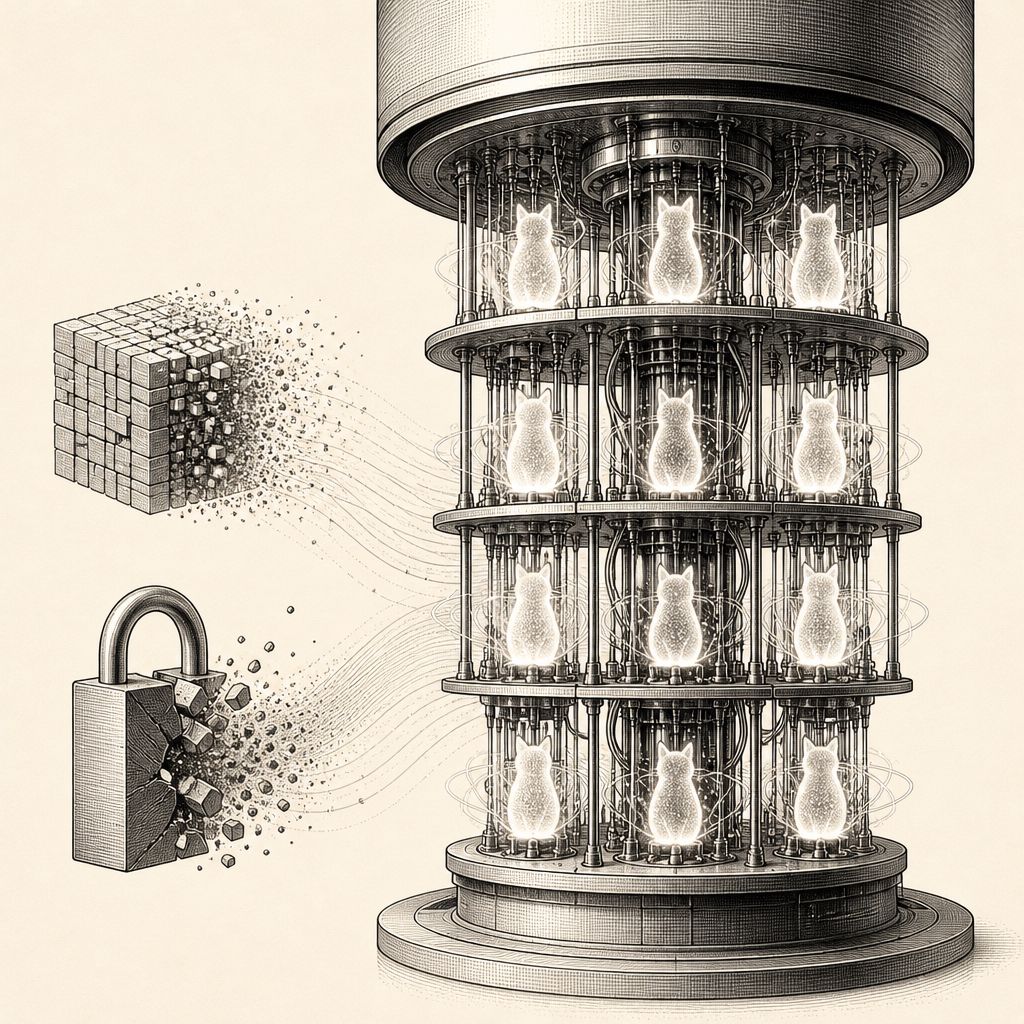
French quantum computing firm Alice & Bob has announced a potentially game-changing advancement in quantum computing's ability to break modern encryption. The company estimates that RSA-2048, a widely used standard for securing online communications and data, could be factored using Shor's algorithm with fewer than 23,000 physical qubits in as little as three days. This figure represents a dramatic reduction compared to previous estimates, with Google Quantum AI's 2025 projection suggesting a need for around 1 million qubits for a similar task.
The key to Alice & Bob's claimed efficiency lies in their development of "cat qubits," a specialized type of error-resistant physical qubit. This architecture significantly reduces the number of physical qubits required to create stable, error-correcting logical qubits. By suppressing errors at the hardware level and employing more efficient error-correcting codes and an optimized version of Shor's algorithm, the company believes it has overcome a major hurdle in the race towards cryptographically relevant quantum computers.
Théau Peronnin, CEO of Alice & Bob, stated that these estimates are not just incremental improvements but represent a paradigm shift in the field. "Estimates of the resources needed to run Shor's algorithm have been steadily falling as the field has developed better approaches to error correction and algorithm design," Peronnin noted. The company's progress is evident in its shrinking qubit requirements for breaking RSA-2048, down from 350,000 in 2023 to 100,000 in 2024, and now to the current 23,000.
Beyond RSA, Alice & Bob also projected that 30,000 of their cat qubits could break elliptic-curve cryptography (ECC), which underpins the security of many blockchains like Bitcoin and Ethereum, in approximately one hour. This poses a significant threat to the long-term security of cryptocurrency assets, particularly older, dormant coins that may be more vulnerable due to their static nature and less frequent transaction windows.
While the company's claims are based on a preprint that awaits peer review, and the real-world scalability and performance of cat qubits remain to be fully demonstrated, the implications are substantial. Experts like Anders Indset, host of the Quantum Economy podcast, acknowledge Alice & Bob's "contrarian bet" on qubit quality over quantity. The rapid pace of advancement in quantum computing, as highlighted by this development, outstrips the current migration efforts for post-quantum cryptography.
The "harvest now, decrypt later" threat looms large, where encrypted data captured today could be decrypted by future quantum computers. This poses a risk not only to sensitive government secrets and intellectual property that require long-term confidentiality but also to financial assets and personal data. The potential for quantum computers to undermine current encryption standards necessitates a proactive approach to adopting quantum-resistant cryptographic solutions.
Doug Finke, chief content officer at Global Quantum Intelligence, pointed out that dormant Bitcoin holdings in older pay-to-public-key addresses are particularly at risk. Unlike active transactions with a 10-minute confirmation window, these static assets could be vulnerable to an hour-long quantum attack. The broader landscape of quantum computing research, involving major players like Google and various open-source initiatives, suggests that the timeline for such threats may be shorter than previously anticipated.
Alice & Bob's announcement underscores the urgent need for organizations and governments to accelerate their transition to post-quantum cryptography. The potential for quantum computers to break current encryption standards poses a fundamental threat to digital security, data privacy, and financial systems, making this a critical area of focus for cybersecurity professionals and policymakers worldwide.