
Akamai CTO Urges 'Least Capability' for AI Agents to Mitigate Production Risks
Akamai CTO Robert Blumofe advocates for a 'least capability' model for AI agents to enhance visibility and reliability, thereby reducing risks in production environments.
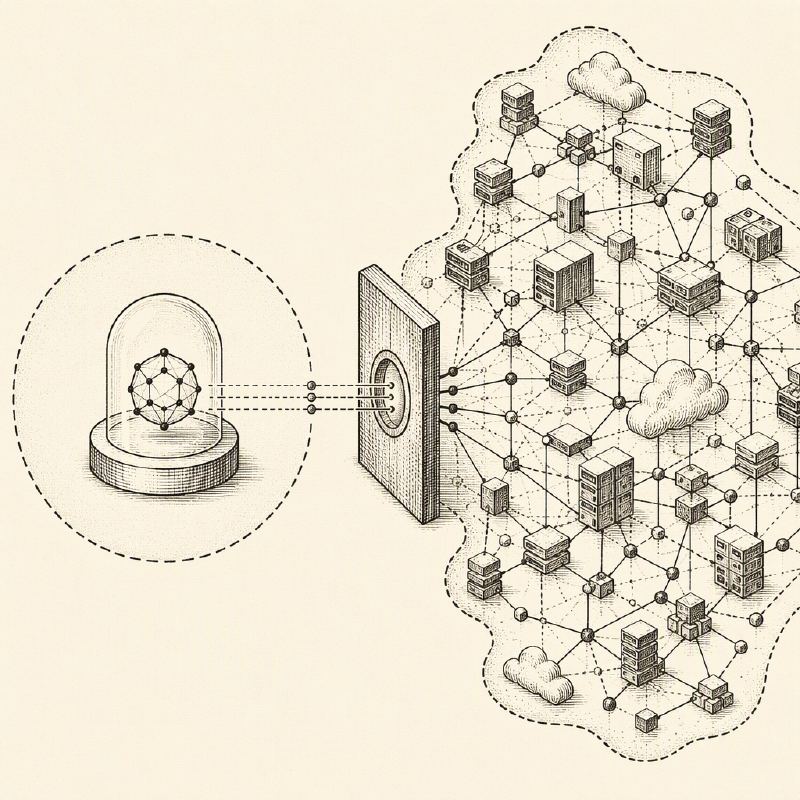
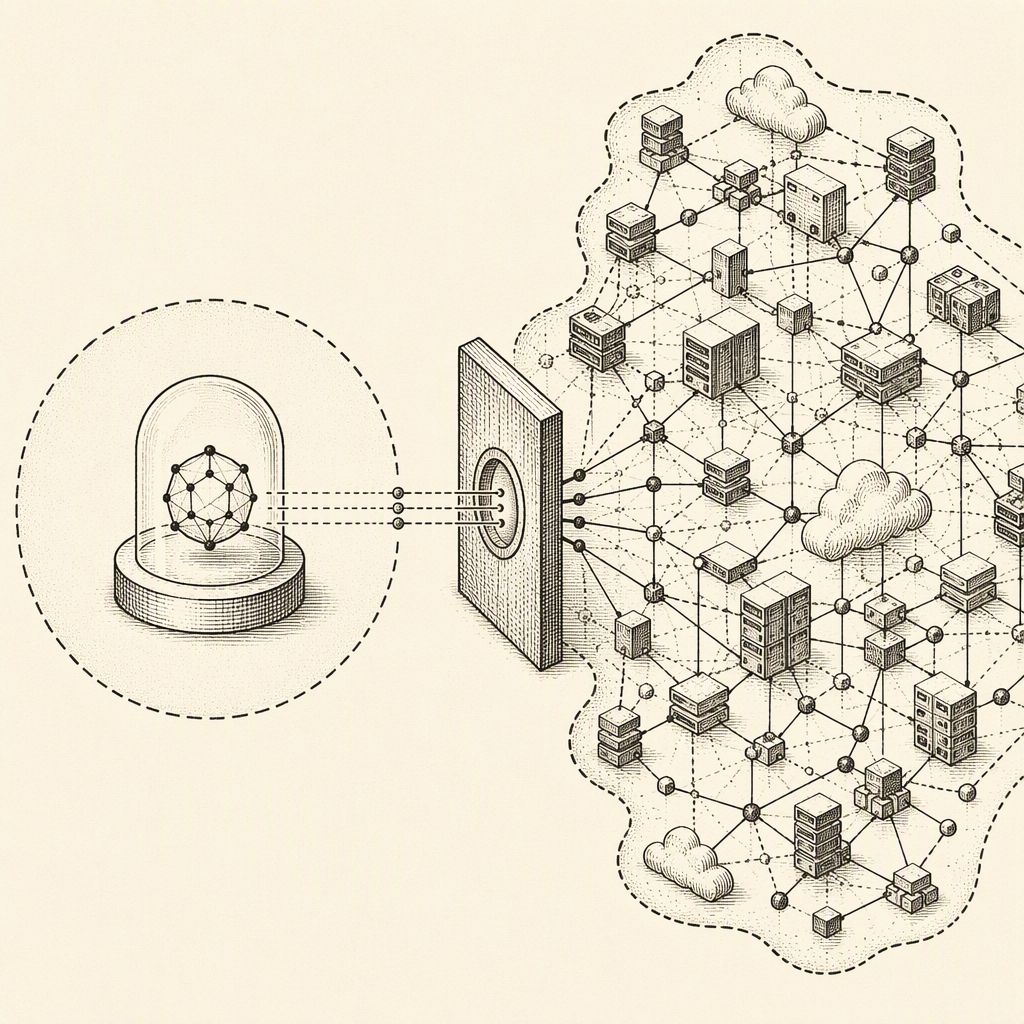
In the dynamic landscape of artificial intelligence, the transition from controlled laboratory environments to real-world production systems presents significant challenges. Akamai CTO Robert Blumofe has highlighted a critical need for enhanced strategies to manage the inherent risks associated with deploying AI agents at scale. He argues that current approaches often fall short, leading to unexpected failures, escalating costs, and the emergence of novel attack vectors.
Blumofe's core recommendation centers on the adoption of a "least capability" model for AI agents. This principle, borrowed from traditional cybersecurity, suggests that AI systems should only possess the minimum permissions and access necessary to perform their intended functions. By limiting an agent's scope, the potential damage from any malfunction, error, or malicious compromise is significantly curtailed. This proactive design philosophy aims to build resilience into AI systems from the ground up, rather than relying solely on reactive security measures.
The CTO emphasized the paramount importance of robust visibility and reliability engineering for AI deployments. Unlike conventional software, AI systems can exhibit unpredictable behavior, especially when encountering novel data or complex scenarios. This unpredictability can manifest as subtle errors that cascade into significant operational disruptions or security vulnerabilities. Without comprehensive monitoring and a deep understanding of how these agents function in real-time, organizations are ill-equipped to detect and respond to emergent threats.
Furthermore, Blumofe pointed out that AI systems, particularly those operating autonomously, can inadvertently create new avenues for exploitation. If an AI agent has excessive privileges or access to sensitive data, a compromise could lead to widespread data breaches or unauthorized system modifications. The complexity of AI models and their learning processes can also obscure the root cause of failures, making troubleshooting and remediation a daunting task.
The "least capability" approach directly addresses these concerns by enforcing strict access controls and operational boundaries. It encourages developers to meticulously define the operational domain of each AI agent, ensuring that it interacts only with the data and systems essential for its task. This granular control is crucial for preventing AI agents from becoming vectors for lateral movement or privilege escalation within an organization's infrastructure.
Implementing this model requires a shift in mindset towards proactive risk management and a deeper integration of security principles into the AI development lifecycle. It necessitates the development of sophisticated observability tools capable of tracking AI agent behavior, data lineage, and decision-making processes. Reliability engineering practices must also be adapted to account for the unique failure modes of AI, ensuring that systems are not only functional but also secure and predictable.
As AI agents become more integrated into critical business operations, the potential consequences of their failure or compromise grow exponentially. Blumofe's call for a "least capability" framework serves as a vital reminder that the pursuit of AI innovation must be balanced with a rigorous commitment to security and operational integrity. By prioritizing visibility, reliability, and constrained capabilities, organizations can better harness the power of AI while mitigating the associated risks.