
Airplane Sounds in Videos Can Reveal Location, Researchers Find
A novel technique analyzes background airplane sounds in videos, combined with flight-tracking data, to precisely pinpoint the recording's location.
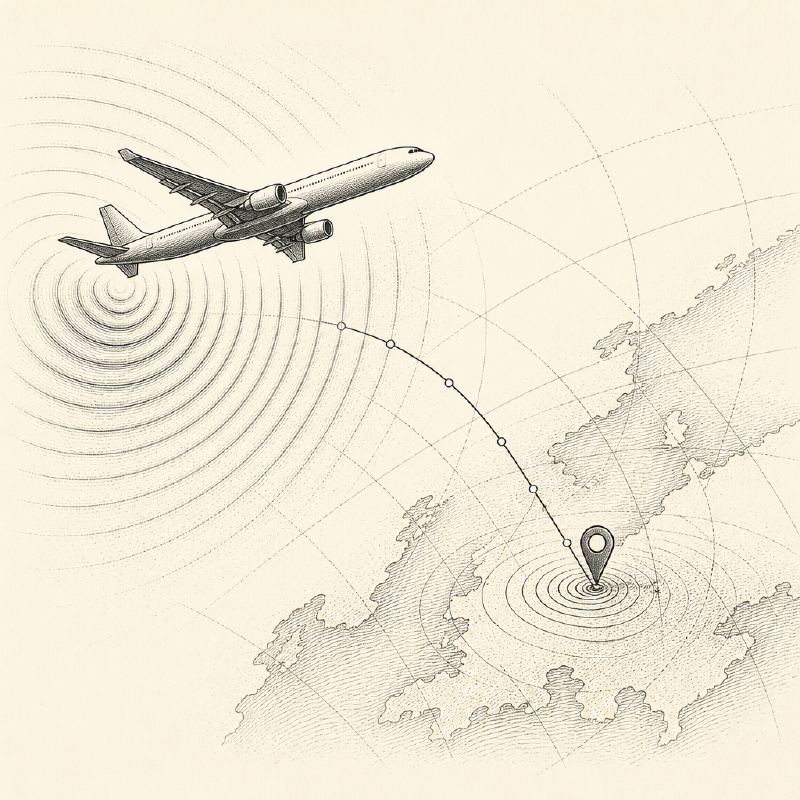
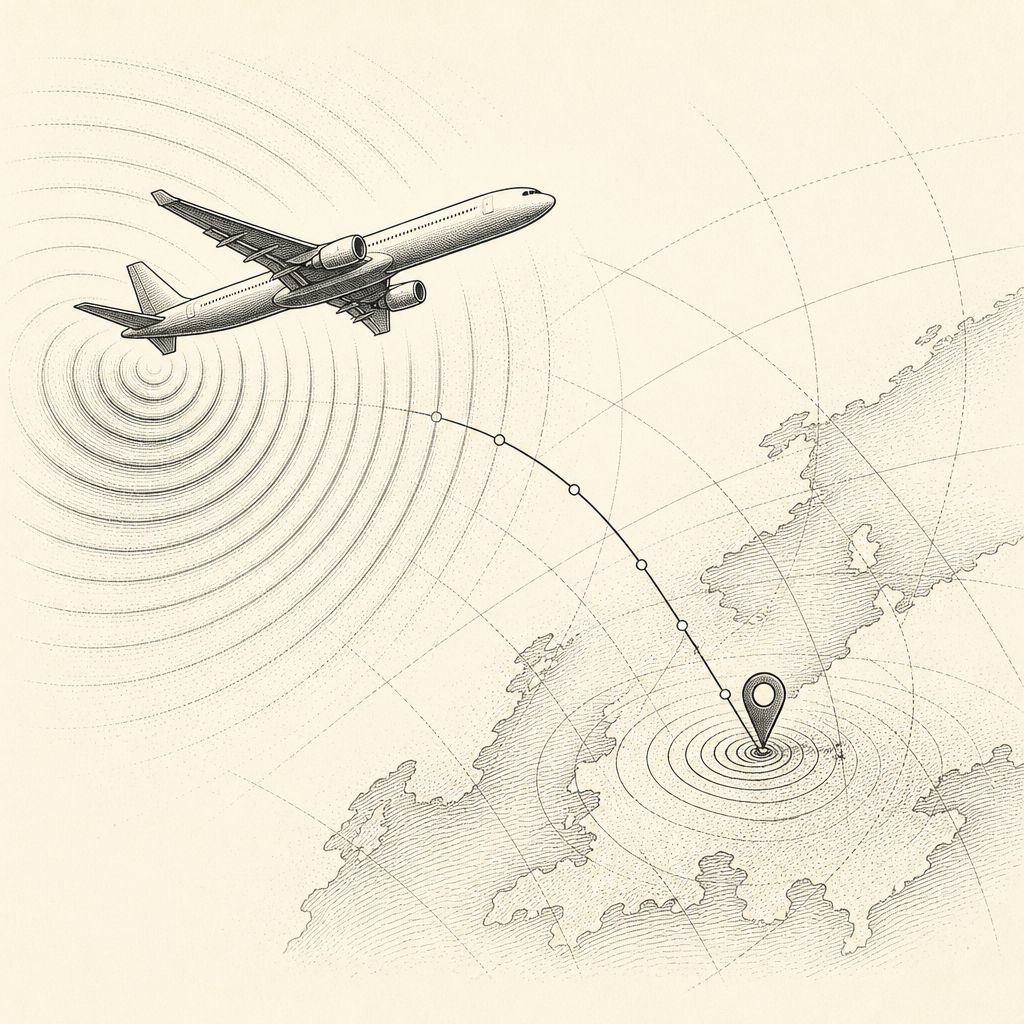
A fascinating and potentially concerning new method allows for the precise geolocation of videos by analyzing ambient airplane sounds captured in their audio tracks. This technique leverages the Doppler effect, a phenomenon familiar from the changing pitch of a siren as it passes, to identify and track aircraft.
Researchers have developed a way to analyze the "Doppler curves" of airplane sounds. These curves represent the shift in sound frequency as an aircraft moves overhead. By meticulously examining these subtle changes in audio, the system can infer the flight path and characteristics of the aircraft.
This audio analysis is then powerfully augmented by publicly available flight-tracking data. Systems like Automatic Dependent Surveillance–Broadcast (ADS-B) transmit real-time information about aircraft, including their position, velocity, and altitude. Flight-tracking services aggregate this data, making it accessible to the public.
By correlating the inferred flight paths from audio analysis with the actual flight data from ADS-B, researchers can achieve a high degree of accuracy in pinpointing the video's origin. This combination of acoustic analysis and digital flight tracking creates a robust method for location identification.
The implications of this technique are significant, particularly for privacy and security. Videos that might otherwise be anonymous could be geolocated, potentially revealing the presence of individuals or activities in specific areas. This could be used to track movements, identify meeting locations, or even expose sensitive operations.
While the article highlights the technical ingenuity, it also implicitly raises concerns about surveillance and the potential for misuse. The ability to derive location data from seemingly innocuous background noise in videos presents a new challenge for maintaining privacy in an increasingly monitored world.
This method underscores the growing trend of using disparate data sources, even ambient environmental sounds, to build a comprehensive picture of events and locations. As audio analysis technology advances, its integration with other data streams will likely yield more sophisticated tracking and identification capabilities.