
AI Uncovers Hidden Vulnerabilities in German Legal System
Researchers have demonstrated how advanced AI can identify previously unknown vulnerabilities within the German legal system by exploiting natural language ambiguities, raising concerns about AI's potential to disrupt legal frameworks.
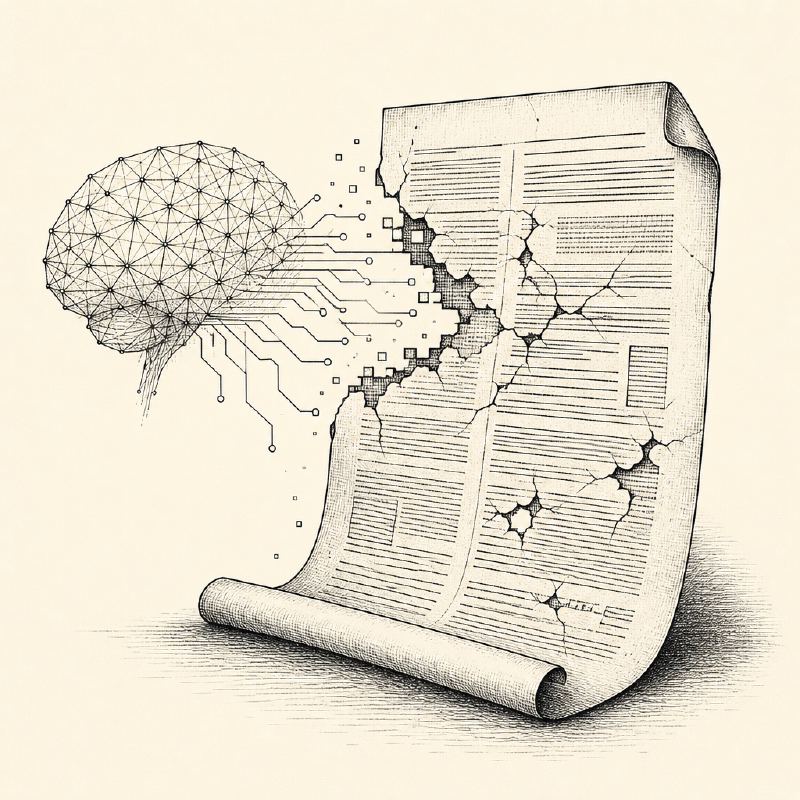
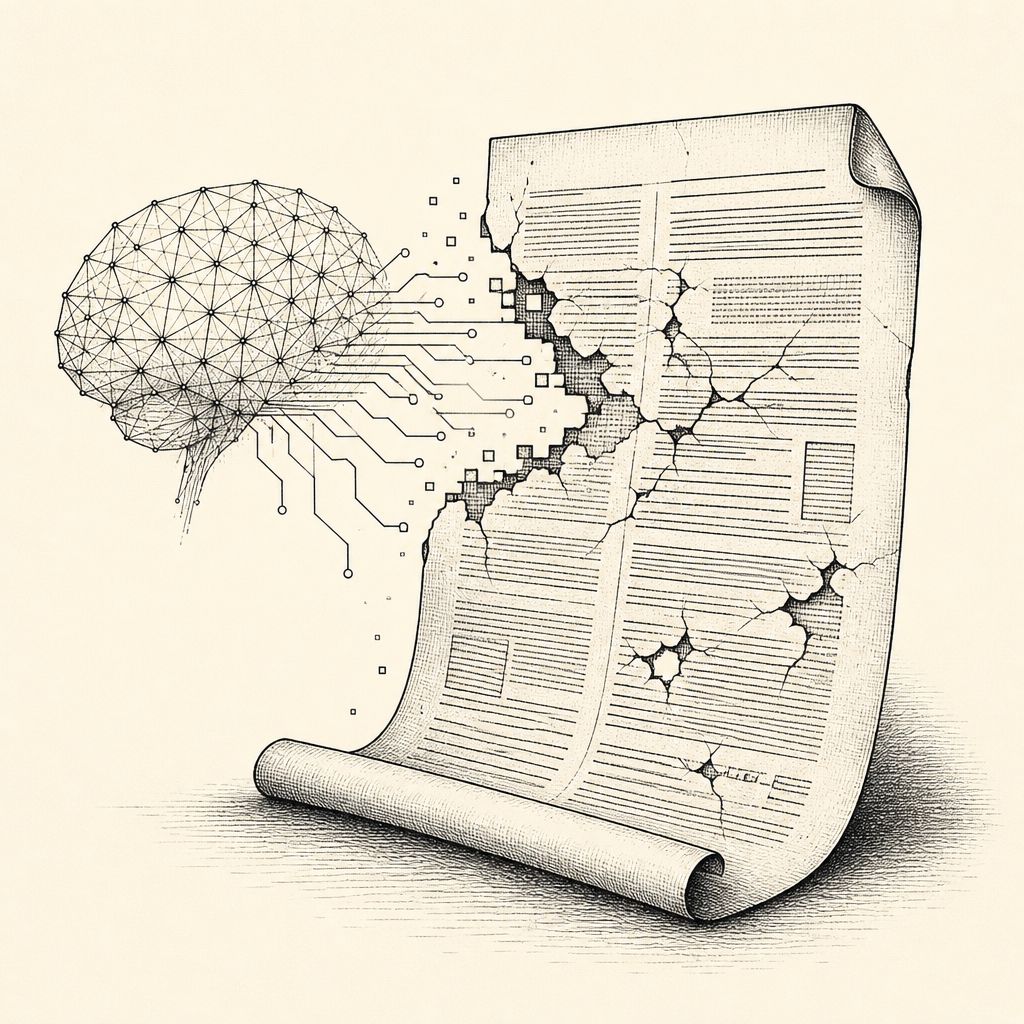
In a groundbreaking study, researchers have successfully employed Large Language Models (LLMs) to uncover a significant number of previously unrecorded vulnerabilities within the German legal system. This research, detailed in a recent publication, draws parallels between the structured nature of computer code and the natural language used to codify laws, suggesting that legal texts can harbor exploitable flaws.
The study's methodology involved using sophisticated AI to analyze German legislation, identifying ambiguities and logical inconsistencies that could be exploited. This approach mirrors how security researchers probe software for bugs, but applied to the complex domain of jurisprudence. The researchers focused on finding vulnerabilities that, if exploited, would not cause severe harm, thereby allowing them to share their findings responsibly.
While the specific vulnerabilities and their potential exploits are not fully disclosed due to their sensitive nature, the study highlights the potential for AI to systematically identify weaknesses in legal frameworks at a scale previously unimaginable. This capability could significantly impact the stability and integrity of legal systems worldwide.
The implications of this research are far-reaching. As AI systems become more adept at understanding and manipulating natural language, the risk of malicious actors using similar techniques to exploit legal loopholes or disrupt legal processes increases. This could lead to unforeseen consequences, challenging the predictability and fairness of legal outcomes.
To counter this emerging threat, the researchers propose that lawmakers must adapt by adopting AI tools themselves. This proactive approach would involve using AI to 'harden' legislation, identifying and rectifying potential vulnerabilities during the drafting and review process, much like secure coding practices are employed in software development.
This development underscores a broader trend where AI is not only a tool for analysis and creation but also a potent instrument for identifying weaknesses in complex systems, including those governing society. The study serves as an early warning, indicating that the intersection of AI and law requires urgent attention from policymakers and legal professionals.
The findings suggest a future where the adversarial relationship between AI and legal systems could become a significant cybersecurity concern. As AI capabilities advance, the need for robust, AI-resistant legal drafting and interpretation mechanisms will become paramount to maintaining social order and trust in the rule of law.