
AI Supply Chain Risks Primarily Impacting Developer Workflows, Says Zentera CEO
AI supply chain risks are currently most prevalent in developer workflows and open-source repositories, according to Zentera Systems CEO Dr. Jaushin Lee.
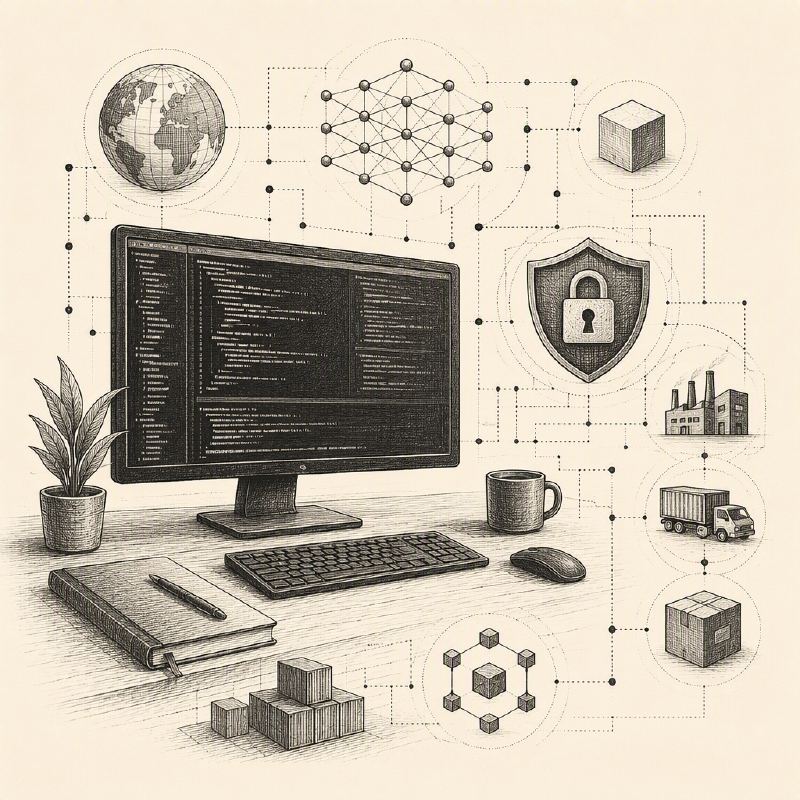
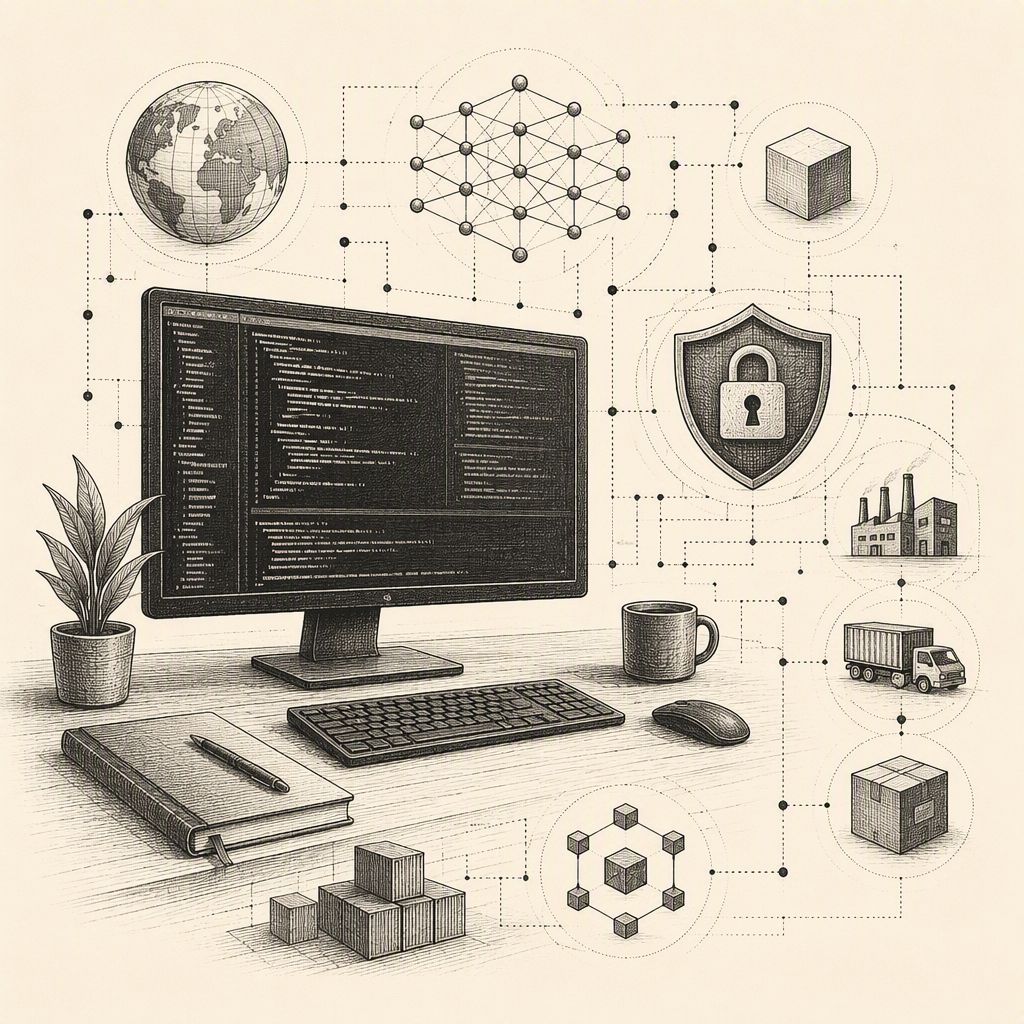
Dr. Jaushin Lee, CEO of Zentera Systems, has highlighted that the most immediate and impactful AI supply chain risks are currently manifesting within developer workflows and open-source repositories. While more sophisticated threats like poisoned model weights and compromised model-serving infrastructure are being demonstrated in research settings, Lee emphasizes that these have not yet translated into widespread real-world attacks.
Lee's assessment suggests that the current frontier for AI supply chain compromises lies in the tools and dependencies that software developers rely on daily. This includes the potential for malicious code injection into popular libraries or the manipulation of development environments, mirroring traditional software supply chain attacks but with an AI-specific twist. The focus on developer workflows indicates a need for enhanced security practices at the earliest stages of the AI development lifecycle.
He further elaborated that while concepts like poisoned model weights and compromised model-serving infrastructure are concerning, they remain largely confined to research demonstrations. This implies that the immediate threat landscape for AI supply chain security is more focused on the foundational elements of software development rather than the advanced stages of AI model deployment and operation.
When discussing risk reduction strategies, Lee advocates for network segmentation as a more effective and cost-efficient approach than relying solely on specialized tooling. This principle, borrowed from traditional cybersecurity, suggests that isolating critical AI components and data can significantly limit the blast radius of a successful compromise, regardless of the specific attack vector.
Lee also pointed out the limitations of self-hosting AI models. While it might seem like a secure option, it can still be vulnerable if the underlying infrastructure or development processes are not adequately secured. The complexity of managing and securing these environments can introduce new attack surfaces.
Drawing parallels with the semiconductor industry, Lee advises software teams to adopt semiconductor isolation practices. This approach emphasizes minimizing the attack surface by ensuring that different components or processes have limited interaction and access to each other, thereby preventing lateral movement in case of a breach.
The insights from Dr. Lee underscore a critical juncture in AI security, where the focus is shifting from theoretical threats to practical, immediate risks within the software development lifecycle. As AI adoption accelerates, securing the entire supply chain, from code repositories to model deployment, becomes paramount.