
AI's Growing Role in Industrial Sabotage: From Clumsy Attempts to Sophisticated Attacks
A recent industrial sabotage incident, where an attacker destroyed compressors by manipulating refrigeration valves, underscores the evolving threat landscape where AI is lowering the bar for sophisticated cyber-physical attacks.
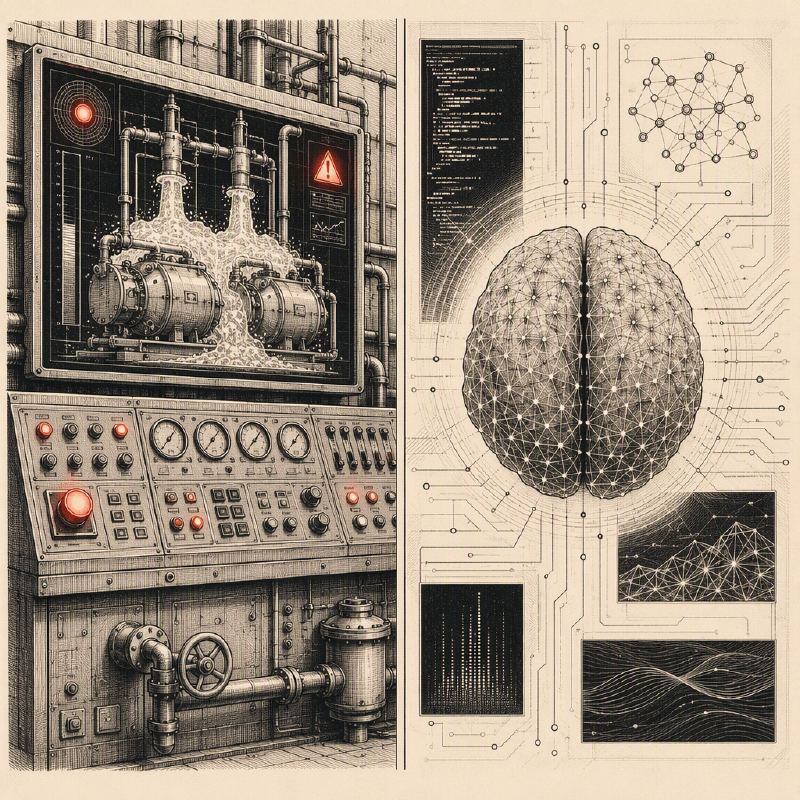
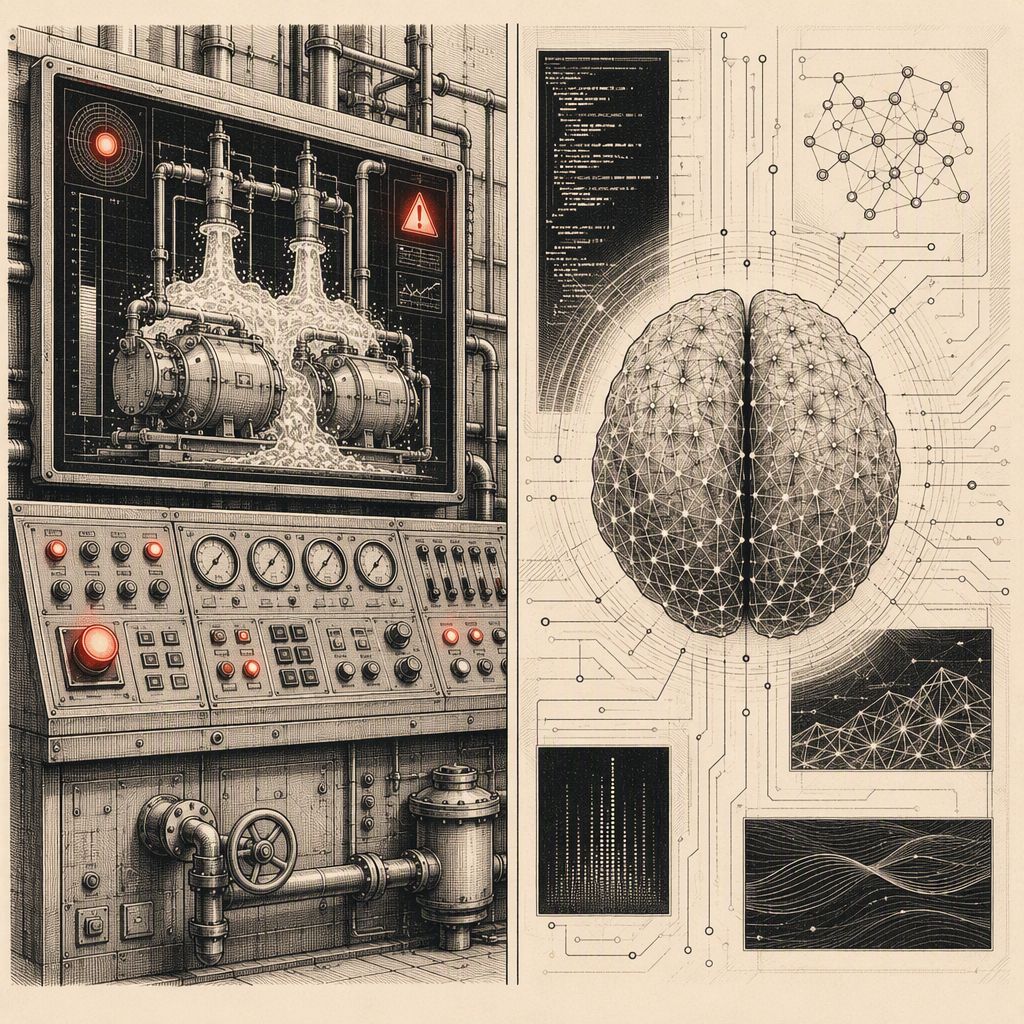
An incident at an Israeli food producer saw an intruder manipulate valves in a refrigeration system, leading to liquid CO2 flooding and destroying compressors. This extensive damage necessitated a complete system rework and recharge, highlighting the critical operational impact of targeted industrial sabotage. The attack, attributed to the Iranian state-directed persona Cyber Isnaad Front, also involved changing controller credentials to lock out operators and wiping a controller's configuration outright.
This event is part of a broader trend detailed in Kaspersky's ICS CERT quarterly report, which analyzed approximately forty attacks on industrial organizations in the second quarter of 2026. While many attacks remain typical phishing or ransomware attempts, a growing subset demonstrates a deeper understanding of industrial machinery. Kaspersky researchers note that many modern attempts to illegitimately manipulate industrial automation systems appear "timid, lazy, or clumsy," but the availability of advanced tools is closing this knowledge gap.
The crucial differentiator in these attacks is not just the ability to send commands to industrial controllers, which has been possible for years, but the specific domain knowledge required to cause significant damage. In the Israeli food producer incident, the attacker possessed the refrigeration engineering expertise to know that manipulating specific valves would lead to compressor destruction. This contrasts with less sophisticated attacks that might only deface a Human-Machine Interface (HMI) or disrupt operations without causing capital loss.
Further evidence of sophisticated, long-term planning in industrial sabotage comes from SentinelLabs' discovery of the fast16 framework. Its core components date back to 2005, predating Stuxnet, and it operates by corrupting engineering simulation software. The trigger conditions within fast16 demonstrate a profound understanding of specific processes, such as those involved in nuclear weapon design, indicating a highly specialized and rare category of attacker.
Conversely, some attacks show a lack of complete understanding or execution. Darktrace analyzed ZionSiphon malware, designed for operational technology (OT) targeting Israeli water treatment plants. However, a logic error within the malware caused it to self-destruct before it could execute its payload, which could have raised chlorine levels and maximized flow and pressure. This highlights that while the intent for cyber-physical attacks is increasing, the technical execution and domain knowledge to complete them remain a bottleneck for many threat actors.
The gap in execution is notably closing due to the increasing use of AI. In Mexico, an actor used APIs from Claude and GPT-4.1 for technical work in breaches against government entities. Gambit's report, examined by Dragos, detailed an intrusion at a municipal water utility where a 17,000-line Python script, entirely generated by Claude, was used. While the attack ultimately failed to breach the OT side, the AI's ability to identify an industrial gateway as a critical asset and suggest attack vectors like password spraying demonstrates AI's growing capacity to provide the crucial domain knowledge previously lacking.
Kaspersky's analysis suggests that industrial firms feeding OT problems to public AI models are inadvertently accumulating domain knowledge within these systems, which could eventually be leveraged against them. This, combined with the continued accessibility of industrial controllers, presents a growing concern. CISA and federal partners are tracking an Iran-affiliated group targeting programmable logic controllers in US facilities, often by installing legitimate vendor software and establishing accepted connections to exposed controllers, a method that requires no specific exploit but relies on system access and configuration.
The convergence of sophisticated attack methodologies, the increasing availability of AI-driven tools that can provide specialized domain knowledge, and the persistent exposure of industrial control systems paints a concerning picture. While many attacks still fall short of causing catastrophic damage, the trend indicates a significant escalation in the potential for destructive cyber-physical attacks against critical infrastructure.