
AI Routers Leak Sensitive Data, Cloud Keys Stolen in Seconds, and Patching Causes Outages
A new report reveals significant security risks associated with AI routers, rapid theft of cloud API keys from public repositories, and widespread outages potentially caused by patching efforts.
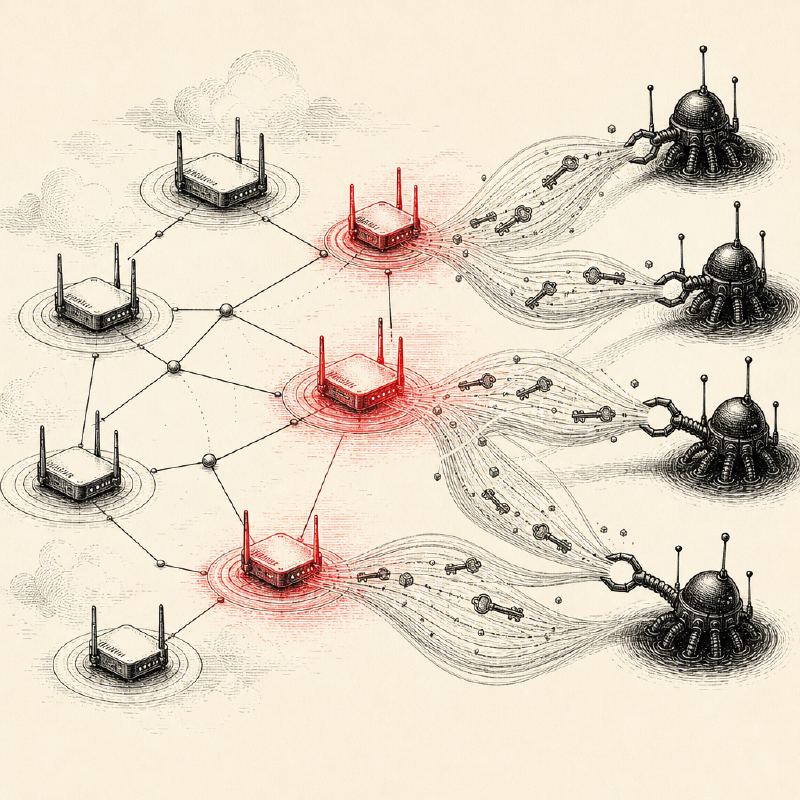
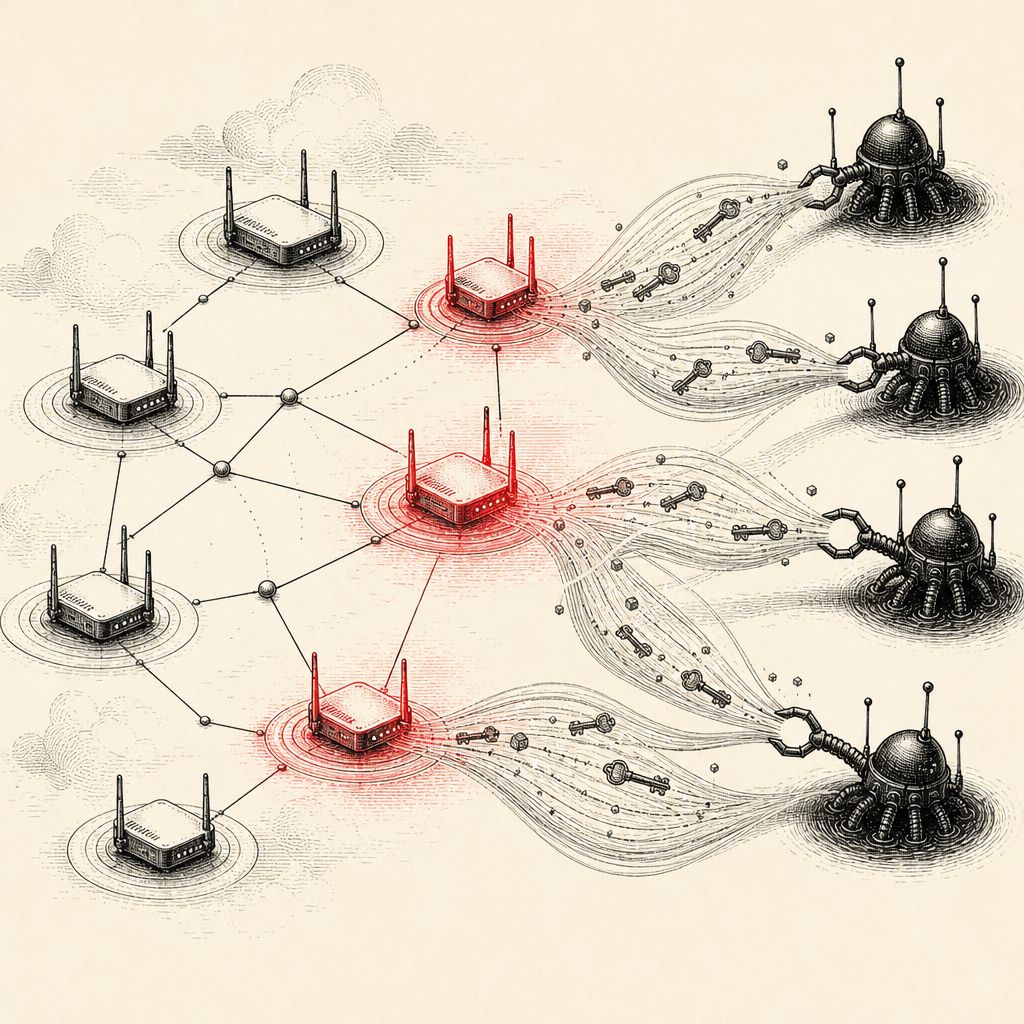
Security researchers have uncovered alarming vulnerabilities in the rapidly evolving landscape of AI-powered services and cloud infrastructure. In a notable experiment, HD Moore placed two million canary tokens within OpenRouter, a platform designed to manage access to various AI models. The findings were stark: within a short period, all two million tokens were leaked, demonstrating a critical security failure in how these AI routers handle sensitive data and access controls. This leak highlights the potential for widespread exposure of credentials and proprietary information if such platforms are not adequately secured.
Compounding these concerns, the practice of storing cloud API keys in public code repositories like Docker Hub is proving to be a high-risk endeavor. Automated bots are now capable of scanning these repositories and exfiltrating exposed cloud API keys within mere seconds of their publication. This rapid theft means that any developer inadvertently committing sensitive credentials to a public repository faces an almost immediate threat of their cloud resources being compromised, leading to potential data breaches, unauthorized access, and significant financial losses.
The cybersecurity community is also grappling with the implications of recent widespread outages affecting critical services in the United States. While official statements are pending, a strong consensus is emerging that the patching of vulnerabilities, particularly those related to AI-discovered flaws, may be the root cause. The aggressive deployment of security updates, while necessary, can sometimes introduce unforeseen instability or conflicts within complex systems, leading to service disruptions. This situation underscores the delicate balance between maintaining robust security and ensuring operational continuity.
Further complicating the security picture, a flaw in Microsoft Entra Connect Health was exploited, allowing attackers to steal tenant data. This vulnerability highlights the ongoing challenges in securing identity and access management systems, which are prime targets for threat actors seeking to gain broad access to organizational resources. The compromise of such systems can have far-reaching consequences, enabling further lateral movement and data exfiltration.
In response to these growing threats, companies are exploring various solutions. CrowdStrike's proposed acquisition of Zscaler for $43.9 billion signals a consolidation trend aimed at unifying endpoint, cloud, and network security to better protect AI systems. Additionally, OpenAI and Cisco have launched Shirudo, a tool designed to shield unpatched Linux systems, addressing the critical need for immediate protection against known vulnerabilities while patches are developed or deployed.
The broader implications of these events point to a critical juncture in cybersecurity. The proliferation of AI in development and operations, coupled with the increasing reliance on cloud services, presents a complex threat surface. The speed at which vulnerabilities are discovered, exploited, and data is exfiltrated necessitates a fundamental shift in security strategies, moving towards more proactive, automated, and resilient defense mechanisms.
As organizations navigate this new era, the lessons from OpenRouter's canary token leak, the rapid theft of cloud keys, and the potential impact of patching on system stability serve as urgent reminders. The cybersecurity industry must accelerate its efforts to secure AI integrations, protect cloud credentials, and develop more robust patching and incident response strategies to mitigate the escalating risks.