
AI Rendered 'Security Through Obscurity' Obsolete, FBI and Experts Warn
Artificial intelligence is rapidly dismantling the long-held, albeit flawed, security strategy of 'security through obscurity,' enabling attackers and researchers to uncover vulnerabilities in previously unexamined code and legacy systems.
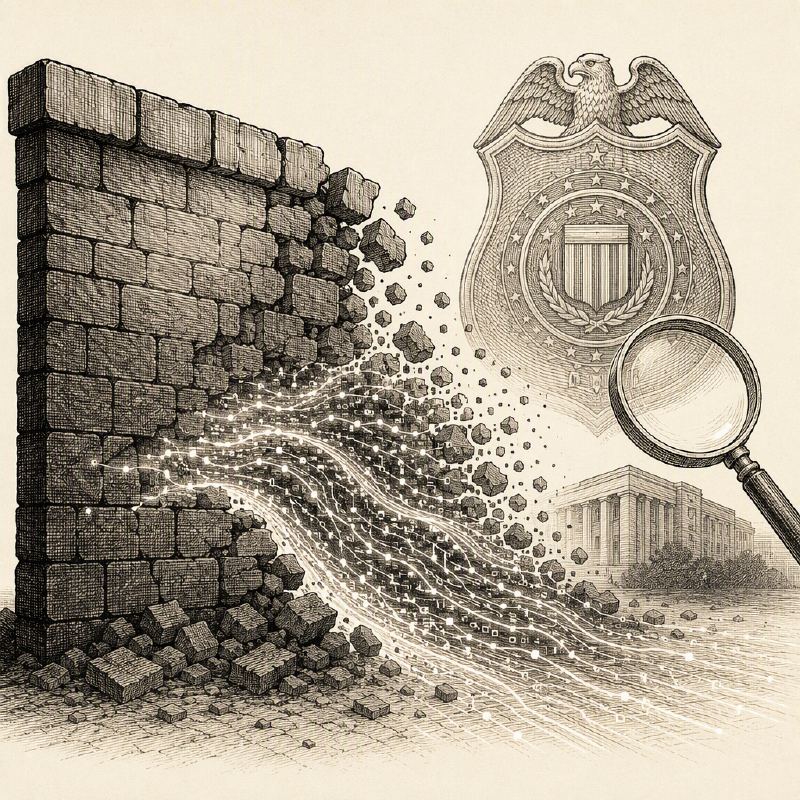
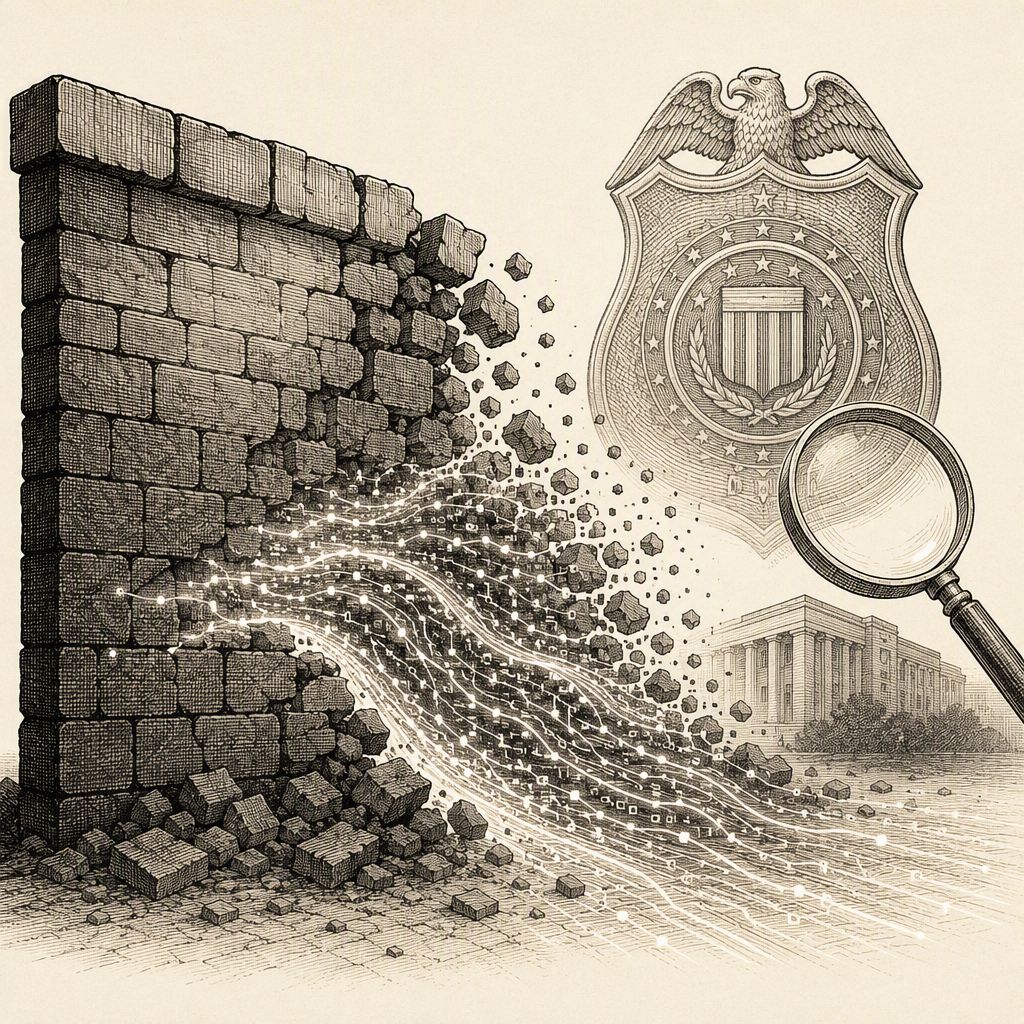
The era of relying on secrecy for system security, known as 'security through obscurity,' is officially over, according to cybersecurity experts and law enforcement. Artificial intelligence agents are now capable of rapidly identifying vulnerabilities in obscure code, legacy systems, and even deeply embedded protocols, rendering this outdated defense strategy obsolete. This seismic shift is evidenced by a surge in disclosed vulnerabilities and an increasing ability for threat actors to exploit patch gaps before organizations can implement fixes.
"You see open source platforms that have been visible to the tech community for a decade... people have stress-tested those for 10 years, and the community believed that they were really secure," stated Brett Leatherman, assistant director of the FBI's Cyber Division. "The latest models were able to break those and say, ‘yeah, there’s significant vulnerabilities in here.’" This sentiment is echoed by industry professionals, with Dustin Childs, chief bug hunter at Trend Micro's Zero Day Initiative, noting the sheer volume of vulnerabilities addressed in recent vendor patches, including components like Telnet clients, deprecated USB networking protocols, and ancient Unix technologies.
Compounding the issue, threat actors are leveraging AI to reverse-engineer security patches and develop exploits with unprecedented speed. In one alarming instance, multiple espionage groups, suspected to be linked to China, weaponized an exploit kit developed shortly after an open-source Chromium patch was released, but before it was widely deployed. This rapid exploitation of the 'patch gap' highlights the new threat landscape where adversaries can quickly capitalize on newly discovered weaknesses.
The implications for operational technology (OT) and industrial control systems (ICS) are particularly dire. These critical systems, responsible for essential services like power, water, and manufacturing, often rely on obscure protocols and proprietary hardware, historically making them difficult to penetrate. However, AI's ability to learn and understand these complex, often undocumented systems means that attackers no longer need specialized OT expertise to launch disruptive attacks.
"This is not a theoretical risk – it is an active threat," warned federal agencies, reporting that attackers have used AI-generated scripts to breach Siemens S7 Series PLCs in water, energy, and manufacturing facilities. John Hultquist, chief analyst at Google Threat Intelligence Group, expressed concern that AI's proficiency in technical troubleshooting and understanding obscure systems could significantly impact ICS security, which has historically been protected by the limited expertise of a few individuals.
While the rise of AI-driven vulnerability discovery presents new challenges, some experts see a silver lining in the demise of 'security through obscurity.' Katie Moussouris, CEO of Luta Security, argues that it was never a robust strategy, stating, "If there is something to find, they will find it." She believes AI's ability to ingest vast amounts of information and identify weak spots, even for unfamiliar tech stacks, democratizes vulnerability discovery.
However, Moussouris also points out that finding bugs has never been the primary security challenge; rather, it's the effective triage, prioritization, and remediation of these vulnerabilities. She notes that AI has not yet caught up on the defensive side, with automated patching and remediation lagging significantly behind AI's offensive capabilities. Recent studies indicate that AI-generated patches often fail more than half the time, underscoring the ongoing need for human oversight and robust defensive strategies.
The consensus is clear: the cybersecurity landscape has fundamentally changed. The rapid advancement of AI necessitates a move away from outdated security paradigms and a renewed focus on foundational security practices, proactive threat hunting, and the development of equally sophisticated AI-powered defensive measures to counter the evolving threat posed by AI-driven attacks.