
AI Red Teaming May Be Weakening Defenses Against Prompt Injection
Researchers discovered that automated red-teaming tools designed to find prompt injection attacks may inadvertently create AI models that are easier to hijack.
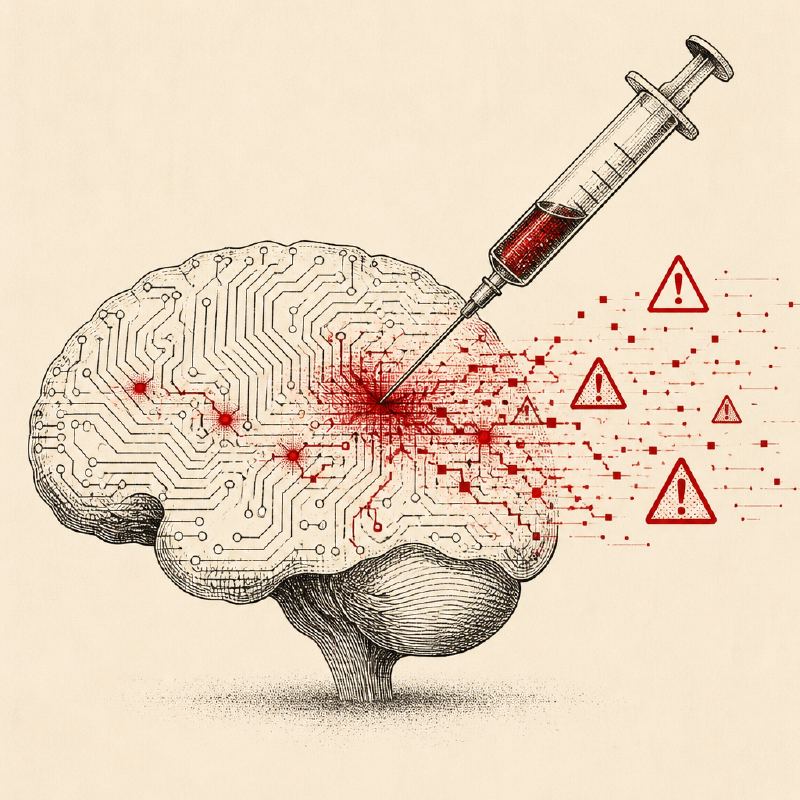
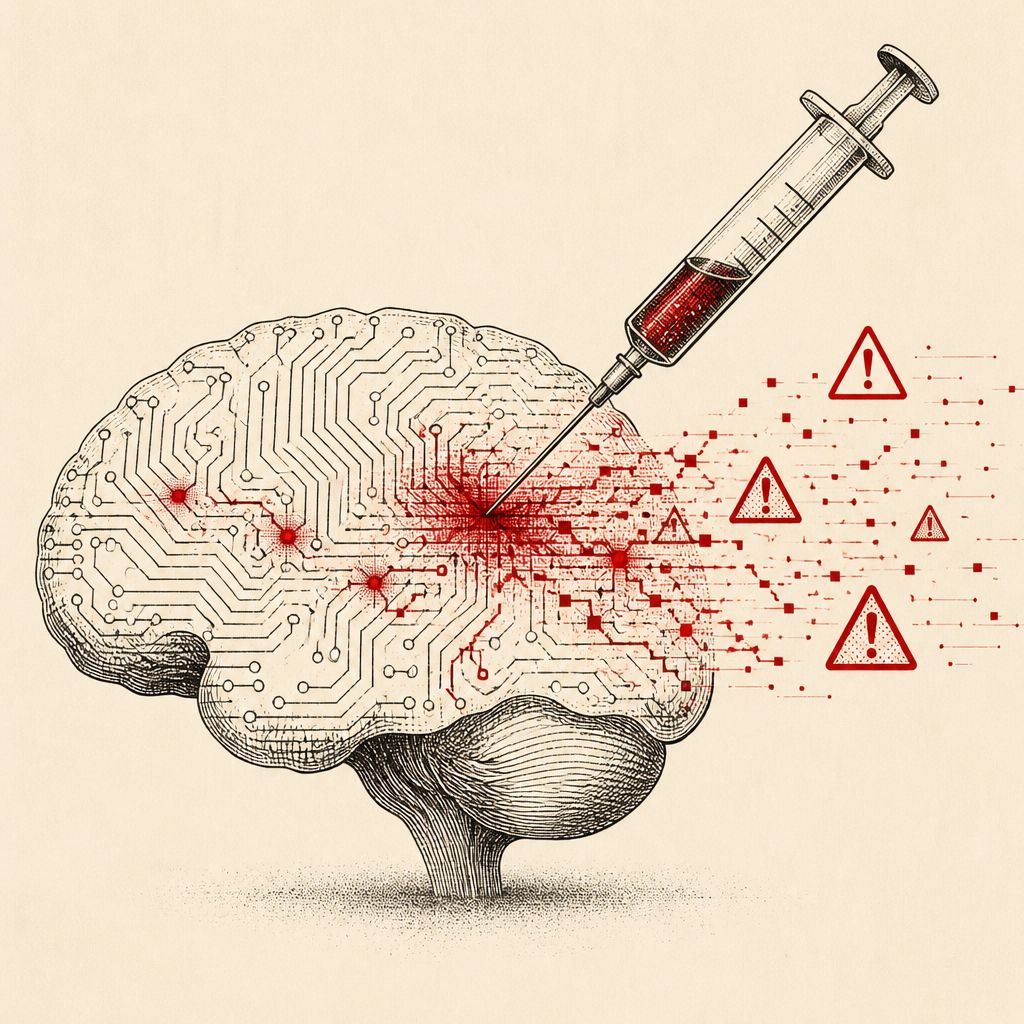
A concerning trend has emerged in the field of AI security, where automated red-teaming efforts, intended to bolster defenses against prompt injection attacks, might be having the opposite effect. Researchers from the University of Waterloo, Zhejiang University, and KTH Royal Institute of Technology have found that AI agents retrained on larger datasets of prompt injection attacks became significantly easier to compromise in testing.
This counterintuitive outcome was observed in three out of four experimental setups. The automated red-teaming tool, which was designed to discover a greater number of successful prompt injection techniques, paradoxically resulted in AI models with weaker security postures. This suggests a fundamental flaw in current methodologies for evaluating and improving AI agent resilience against malicious inputs.
Prompt injection attacks occur when an attacker crafts specific inputs, such as hidden instructions within an email, a webpage, or the output of another tool, that trick an AI agent into performing unintended actions. These actions can range from revealing sensitive information to executing malicious commands, depending on the AI's capabilities and access.
The research highlights a critical challenge: the very process of training AI models to recognize and defend against a wider array of attacks might be inadvertently teaching them to be more susceptible to novel or slightly varied forms of manipulation. This could be due to the AI learning to prioritize the detection of known attack patterns over maintaining a robust general defense.
This finding has significant implications for organizations deploying AI agents in sensitive environments. If the tools used to test and secure these agents are inadvertently making them more vulnerable, then current security practices may be providing a false sense of security. The effectiveness of AI red-teaming needs to be re-evaluated to ensure it genuinely enhances, rather than degrades, AI security.
The study underscores the need for more sophisticated and nuanced approaches to AI security testing. Simply increasing the volume of attack data used for training may not be sufficient. Future research should focus on developing red-teaming strategies that not only identify vulnerabilities but also ensure that the AI's defensive mechanisms remain robust and adaptable to evolving threats.
As AI agents become more integrated into business processes and critical infrastructure, ensuring their security is paramount. The current findings serve as a stark warning that the pursuit of AI security must be approached with caution and continuous re-evaluation, lest our efforts to protect these systems inadvertently open new avenues for exploitation.