
AI-Powered Voice Cloning Enables Sophisticated Social Engineering Attacks on Help Desks
Threat actors are increasingly using AI-generated voice deepfakes to impersonate legitimate users and trick help desk staff into granting unauthorized access, bypassing traditional security measures.
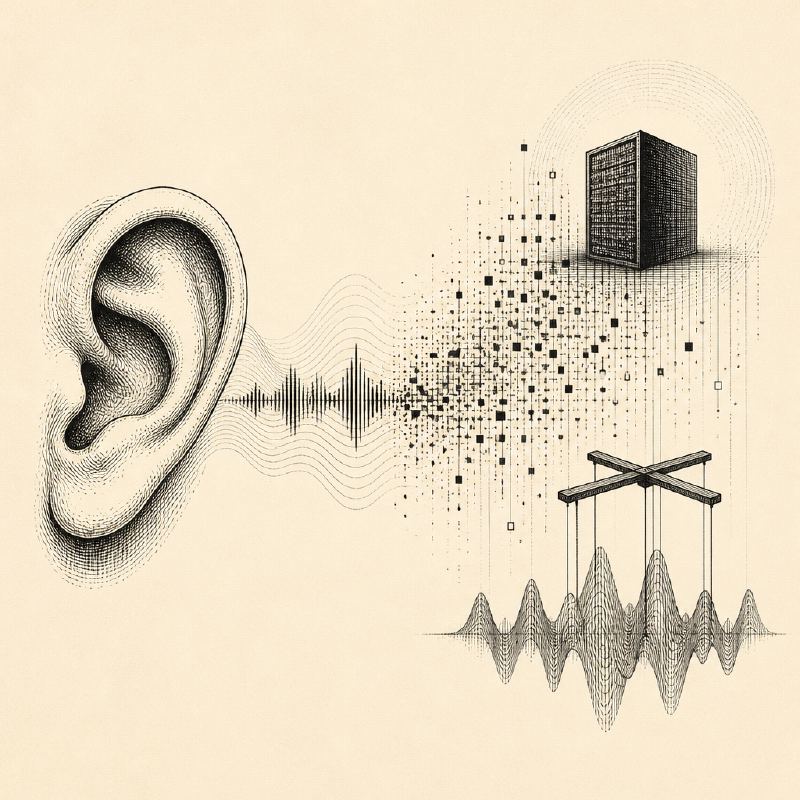

Cybercriminals are evolving their tactics beyond traditional malware, now leveraging artificial intelligence to conduct highly convincing social engineering attacks. A growing trend involves threat actors using AI-powered voice synthesis to clone the voices of legitimate employees. These deepfake audio clips are then used in phone calls to help desk or IT support personnel, aiming to trick them into granting unauthorized access to systems or sensitive information.
This sophisticated social engineering tactic exploits human trust, a fundamental element in many organizational security protocols. By impersonating a known employee, attackers can bypass multi-factor authentication and other technical security controls that rely on verifying user identity through conventional means. The AI-generated voice is often indistinguishable from the real person's, making it incredibly difficult for support staff to discern a legitimate request from a fraudulent one.
The scalability of these attacks is a significant concern. Once a voice model is created, it can be used repeatedly in various scenarios. This allows threat actors to conduct numerous attacks simultaneously or target different departments within an organization. The ease with which AI voice cloning tools can be accessed and utilized lowers the barrier to entry for such sophisticated attacks, democratizing advanced social engineering techniques.
Organizations are struggling to keep pace with this evolving threat landscape. Traditional security awareness training, which often focuses on phishing emails and suspicious links, may not adequately prepare employees for AI-driven voice impersonation. The psychological impact of hearing a familiar voice, especially one belonging to a senior executive or a colleague in distress, can override normal caution.
While specific CVEs are not directly associated with this social engineering method, the underlying technology relies on advancements in AI and machine learning. The effectiveness of these attacks highlights a critical gap in current security postures, which often prioritize technical defenses over human-centric vulnerabilities. The reliance on human trust within help desk operations makes them a prime target for these AI-enhanced social engineering schemes.
To combat this threat, organizations need to implement more robust identity verification processes for sensitive requests, even when they appear to come from known individuals. This could include out-of-band verification methods, such as a secondary communication channel or a pre-established code word, especially for actions involving password resets, account unlocks, or system access changes.
Furthermore, enhanced training for IT support staff is crucial. This training should focus on recognizing the signs of voice deepfakes and the specific tactics used in AI-powered social engineering. Educating employees about the existence and capabilities of these tools can foster a more vigilant and critical mindset when handling access requests.
The rise of AI-powered voice cloning for malicious purposes underscores a broader trend where artificial intelligence is lowering the barrier for sophisticated cyberattacks. As AI capabilities continue to advance, organizations must proactively adapt their security strategies to address these emerging threats, ensuring that human trust is augmented, not exploited, by technology.