
AI-Powered Scams Escalate with Executive Impersonation and Invoice Fraud
Threat actors are leveraging generative AI to launch sophisticated financial fraud campaigns, impersonating executives and fabricating invoices to trick organizations into sending illicit payments.
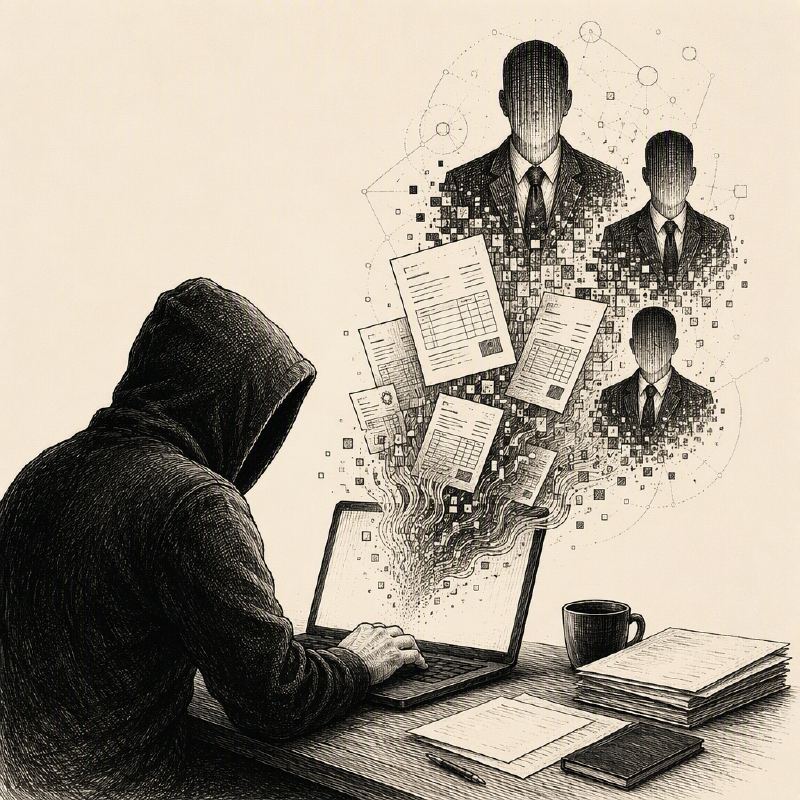
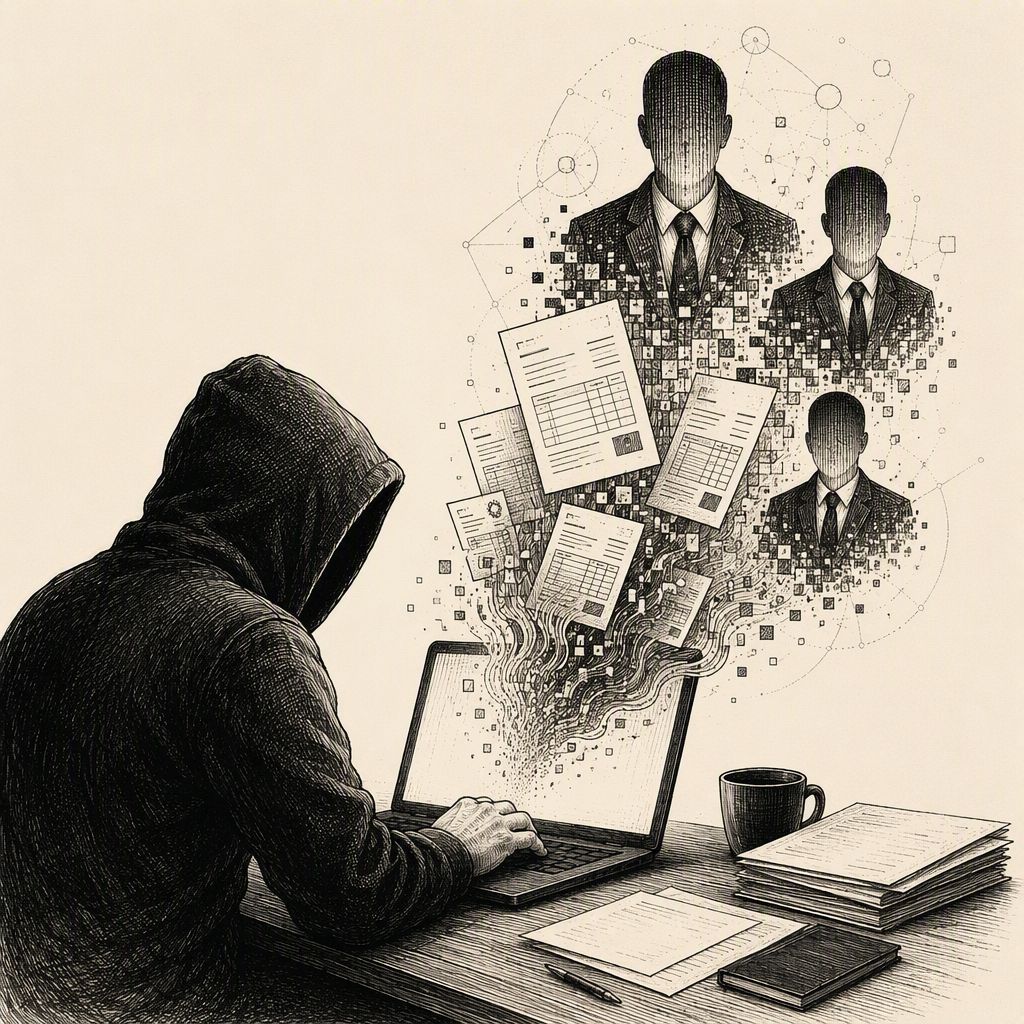
Cybercriminals are increasingly weaponizing generative artificial intelligence to craft highly convincing phishing and fraud schemes, as demonstrated by a recent campaign that sent over a million financial scam emails. These attacks focus on executive impersonation and invoice fraud, aiming to deceive accounts payable departments into processing fraudulent payments.
The attack chain begins with threat actors registering impersonation domains, followed by the use of third-party email delivery infrastructure to send out a massive volume of emails. These messages are designed to mimic legitimate internal communications, often impersonating CEOs or other high-ranking executives within target organizations. The goal is to trick finance personnel into authorizing Automated Clearing House (ACH) payments, with one observed campaign targeting payments of approximately $50,000 per victim.
To enhance the credibility of their fraudulent requests, attackers are embedding fabricated invoices and even simulating email conversations between executives. In one instance, a scam email included a professionally designed, yet entirely fake, invoice for a ServiceNow subscription, complete with company branding and logos. This was accompanied by a simulated email thread between the impersonated CEO and a fabricated ServiceNow executive, discussing the purchase and payment details.
While the use of executive impersonation in fraud is not new, the integration of generative AI has significantly amplified the sophistication and scale of these campaigns. AI enables threat actors to generate more tailored and contextually relevant email templates, improving their ability to bypass recipient skepticism. The ability to construct multi-layered narratives, combining impersonation with forged documentation and simulated correspondence, makes these attacks particularly challenging to detect.
Microsoft's security analysis revealed that the campaign targeted enterprise users, with a significant majority of emails directed at recipients in the United States. The attackers utilized multiple third-party email service accounts to distribute the malicious emails, making it harder to trace the origin. Industries heavily targeted included IT services, business advisory, and consumer goods sectors.
Despite the advanced nature of the lures, defenders can still identify inconsistencies. These include the lack of proper email headers in simulated forwarded threads, suspicious language, and discrepancies between display names and sender addresses. The fabricated invoices also contained tell-tale signs, such as personalized billing information and payment instructions directing funds to accounts controlled by the threat actor.
Microsoft Defender has implemented detections for this type of activity, and the company emphasizes the importance of robust security measures. Organizations are advised to implement multi-factor authentication, conduct thorough verification processes for financial transactions, and train employees to recognize social engineering tactics, especially those amplified by AI. The use of AI in these attacks underscores the evolving threat landscape and the need for continuous adaptation in cybersecurity defenses.
This campaign highlights a growing trend where AI is not just a tool for defense but also a powerful enabler for sophisticated cybercrime. The ability to generate realistic content at scale poses a significant challenge, requiring organizations to enhance their vigilance and security protocols to counter these AI-augmented threats.