
AI-Powered Phishing Attacks Escalate, Evading Traditional Defenses
Sophisticated AI-driven phishing campaigns are increasingly difficult to detect, leveraging personalization and advanced evasion techniques to bypass traditional security measures.
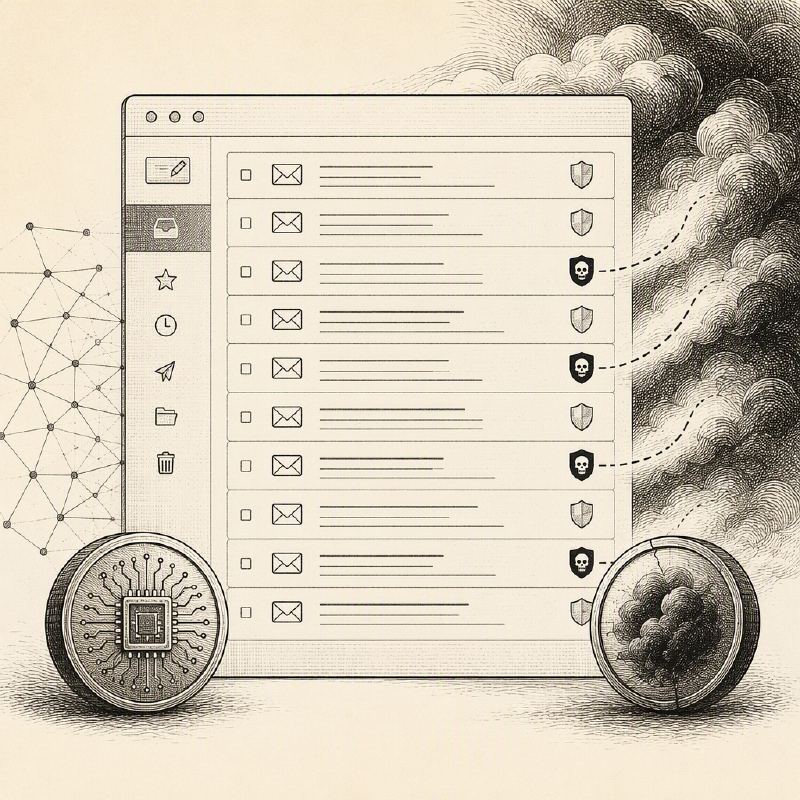
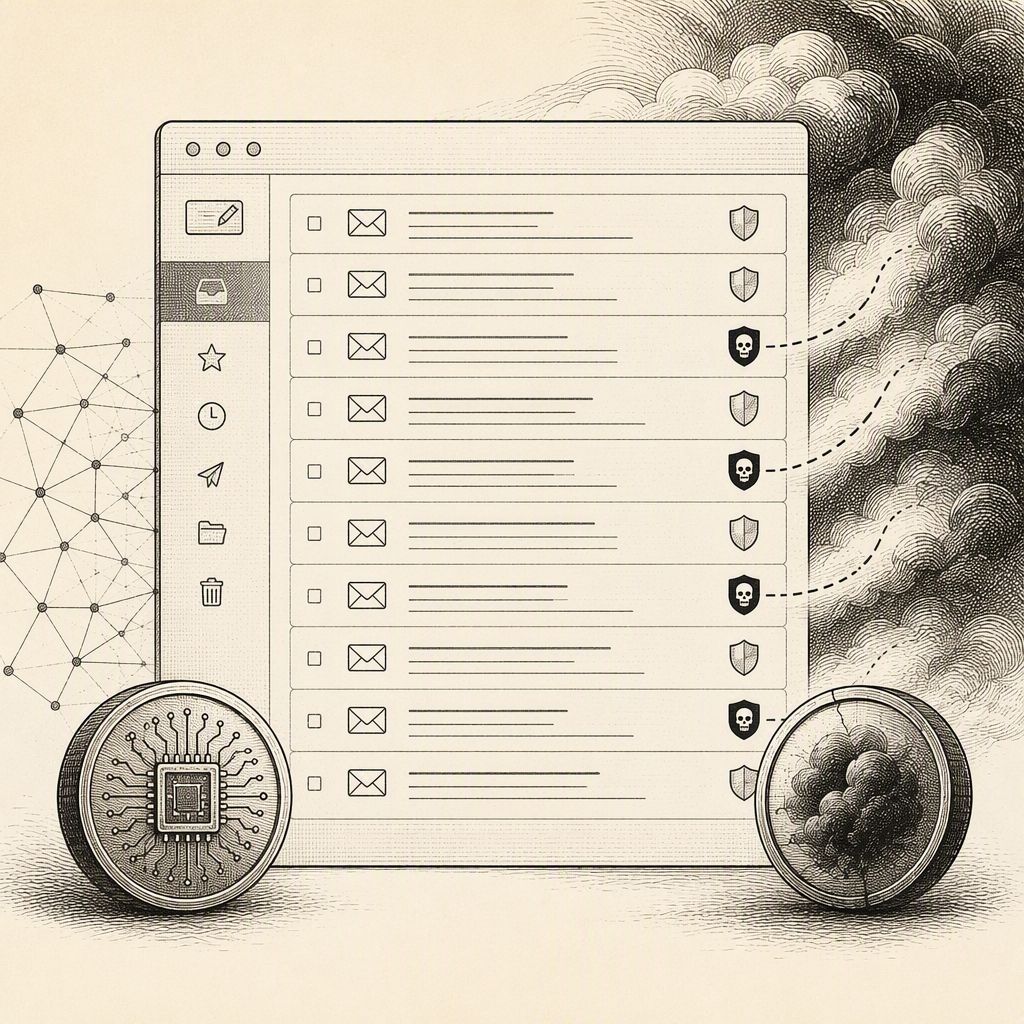
Artificial intelligence is fundamentally reshaping the landscape of phishing attacks, making them more personalized, evasive, and challenging to detect than ever before. Alan LeFort, CEO of StrongestLayer, highlighted at Black Hat USA 2026 that these AI-generated campaigns are rendering traditional security filters increasingly ineffective.
LeFort explained that modern phishing attacks are designed to mimic trusted senders, familiar workflows, and legitimate infrastructure. This level of personalization, powered by AI, allows malicious messages to appear routine, slipping past defenses that were built to identify known patterns of attack. The speed at which AI can generate these tailored messages means that even novel, first-seen attacks can be deployed at scale.
The efficacy of traditional security measures, such as secure email gateways, is diminishing. These systems were primarily designed to block previously identified threats. However, AI-driven attacks can create unique, one-off messages that evade signature-based detection. This necessitates a shift in defensive strategies towards more dynamic and context-aware approaches.
Furthermore, LeFort questioned the continued reliance on traditional security awareness training. He argued that expecting employees to consistently outperform sophisticated AI, armed with cumulative knowledge and advanced techniques, is an unrealistic expectation. "Do we really believe that training Sally in accounting with a 30-minute video four times a year is going to make her smarter than the AI and the cumulative knowledge of the SOC?" he posed, underscoring the need for technological solutions to complement human vigilance.
Effective defense against these evolving threats requires a multi-faceted approach that evaluates intent, evasion tactics, and personalization in tandem. Security teams need tools that can provide contextual understanding to identify sophisticated attacks when traditional pattern-based detection fails. This involves analyzing not just the content of an email but also its origin, behavioral patterns, and the sophistication of its evasion techniques.
LeFort also touched upon the broader implications of AI in cybersecurity, including the potential for AI assistants to become command-and-control channels if exposed to prompt injection vulnerabilities. He advised security leaders to critically evaluate AI vendor claims, focusing on measurable outcomes like false positive rates and detection efficacy rather than marketing hype.
As AI continues to advance, the arms race between attackers and defenders will intensify. Organizations must adapt by integrating advanced AI-powered security solutions that can analyze complex attack vectors and provide real-time, context-aware threat intelligence. The future of email security lies in systems that can intelligently discern malicious intent amidst a sea of increasingly sophisticated and personalized communications.
StrongestLayer, under LeFort's leadership, is focused on developing strategies to help organizations combat these AI-driven threats. With over 25 years of cybersecurity experience, LeFort's insights underscore the urgent need for security professionals to embrace and adapt to the AI revolution in cyber warfare.