
AI-Powered Malware Rewrites Itself Hourly to Evade Detection
Emerging AI-driven malware, like PROMPTFLUX, uses large language models to regenerate its code hourly, rendering signature-based detection methods obsolete and challenging traditional security defenses.
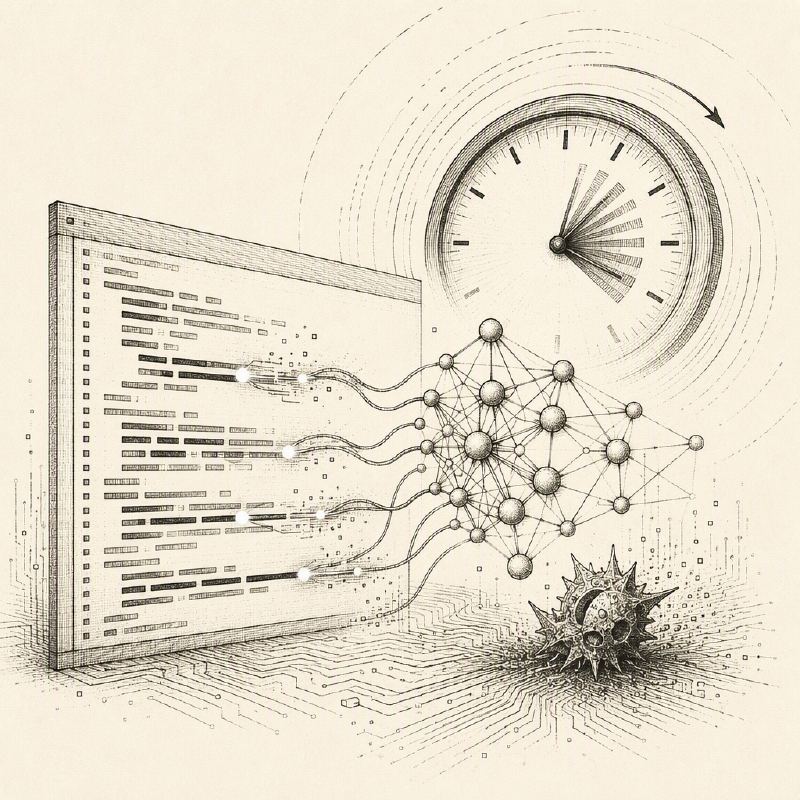
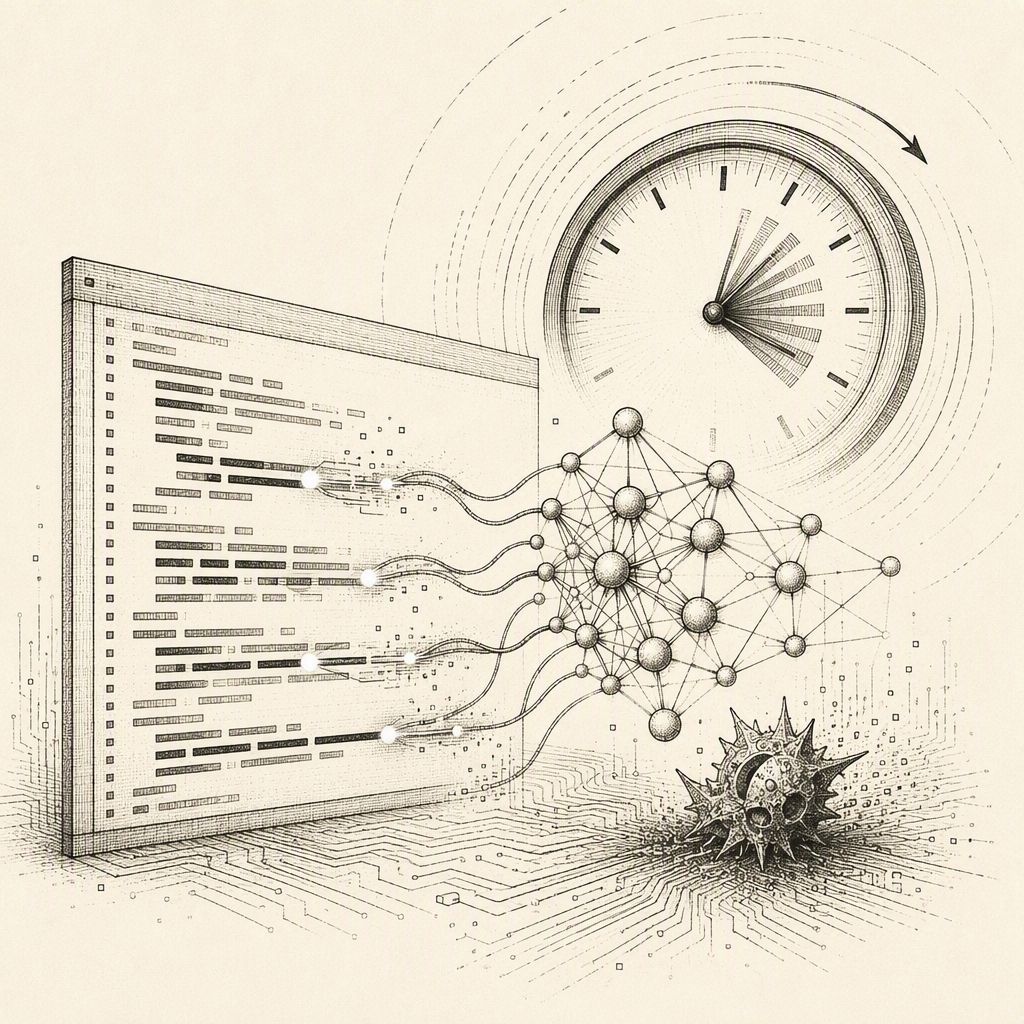
A new wave of malware is leveraging the power of artificial intelligence, specifically large language models (LLMs), to fundamentally alter its own code on an hourly basis. This metamorphic behavior, exemplified by the experimental dropper PROMPTFLUX, allows malicious software to evade signature-based detection systems by constantly changing its form while retaining its harmful functionality. Traditional polymorphic malware often disguises its payload or encrypts it, but AI-assisted malware can go a step further by replacing entire code blocks, making it exceedingly difficult for security tools to establish a consistent fingerprint across different variants.
Researchers have observed this trend with several AI-powered tools. PROMPTFLUX, initially disclosed by Google's threat researchers, reportedly queried the Gemini API approximately every hour to regenerate obfuscated code, producing over 70 variants in under four hours. Other examples include PROMPTSTEAL, which uses LLMs to generate single-line Windows commands for data exfiltration, and PromptLock and BlackMamba, which have been noted for altering payloads during operation. This rapid evolution significantly reduces the time and expertise previously required to craft new malware samples, posing a substantial challenge to conventional security measures.
The primary concern highlighted by Morphisec analysts is the diminishing effectiveness of signature-led controls. Static hashes and known file patterns, which form the backbone of many antivirus solutions, lose their value when each instance of the malware is unique. While signature-based detection remains important for identifying known threats, investigating past incidents, and blocking repeated activity, relying solely on clean scans as proof of safety is becoming increasingly risky, especially for malware that operates filelessly or utilizes system utilities.
This new breed of malware is often paired with memory-only activity, making it even harder to detect. Fileless malware operates directly in a system's RAM, leaving minimal traces on the hard drive. When combined with AI-driven code mutation, this approach creates a highly evasive threat that can bypass traditional endpoint security solutions designed to scan and analyze files.
In response to these evolving threats, security experts advocate for a prevention-first approach. This strategy focuses on disrupting the conditions under which malware executes rather than solely relying on identifying specific malware signatures. Techniques such as altering the runtime memory environment at process launch or deploying decoys can interrupt malicious payloads before they can encrypt data, steal information, or move laterally within a network.
Organizations are advised to implement a multi-layered defense strategy. This includes keeping operating systems and applications patched, restricting the use of unnecessary scripting and administrative tools, and closely monitoring for unusual child processes or commands that access large volumes of documents. Furthermore, preserving endpoint telemetry and developing incident response plans that account for short-lived, rapidly changing malware variants are crucial.
Analysts need to shift their focus from solely relying on filenames or hashes to identifying the underlying malicious actions. This includes monitoring for suspicious credential access, unexpected archive creation, unauthorized outbound connections, or the unusual use of legitimate system tools. Tabletop exercises that simulate scenarios where the initial malware sample disappears before analysis can help responders prioritize containment and evidence capture over the race to label the threat.
The rise of AI-powered malware signifies a critical inflection point in cybersecurity. As threat actors increasingly weaponize AI for more sophisticated and evasive attacks, the industry must adapt by embracing advanced detection and prevention strategies that move beyond traditional signature-based methods to focus on behavior, execution context, and proactive defense.