
AI-Powered Gryxa Malware Learns from Defenders and Adapts
A new Windows malware toolkit, Gryxa, leverages AI to steal credentials, maintain persistence, and actively observe and counter security team remediation efforts.
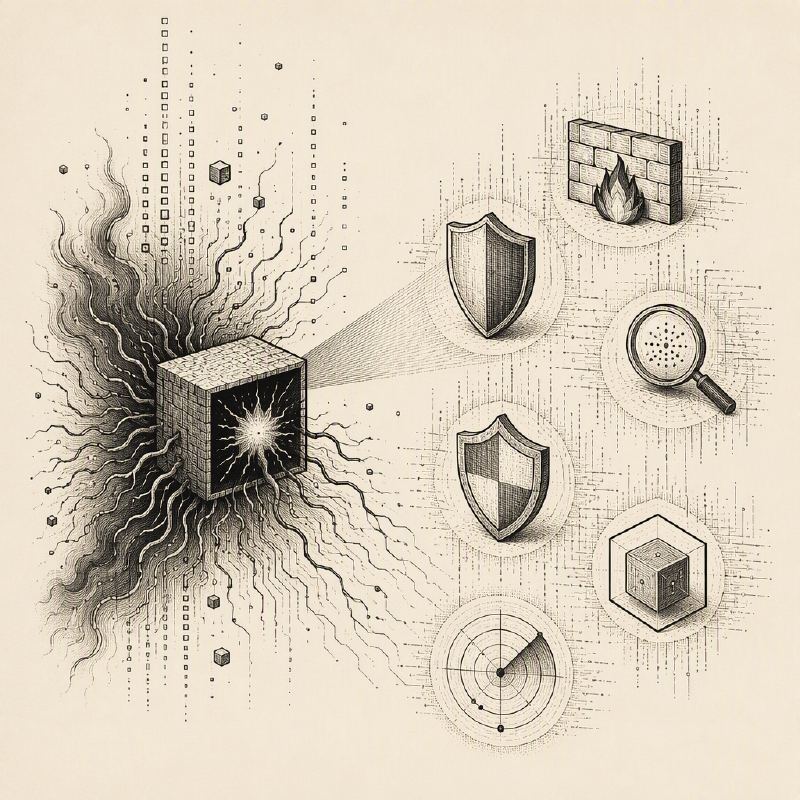
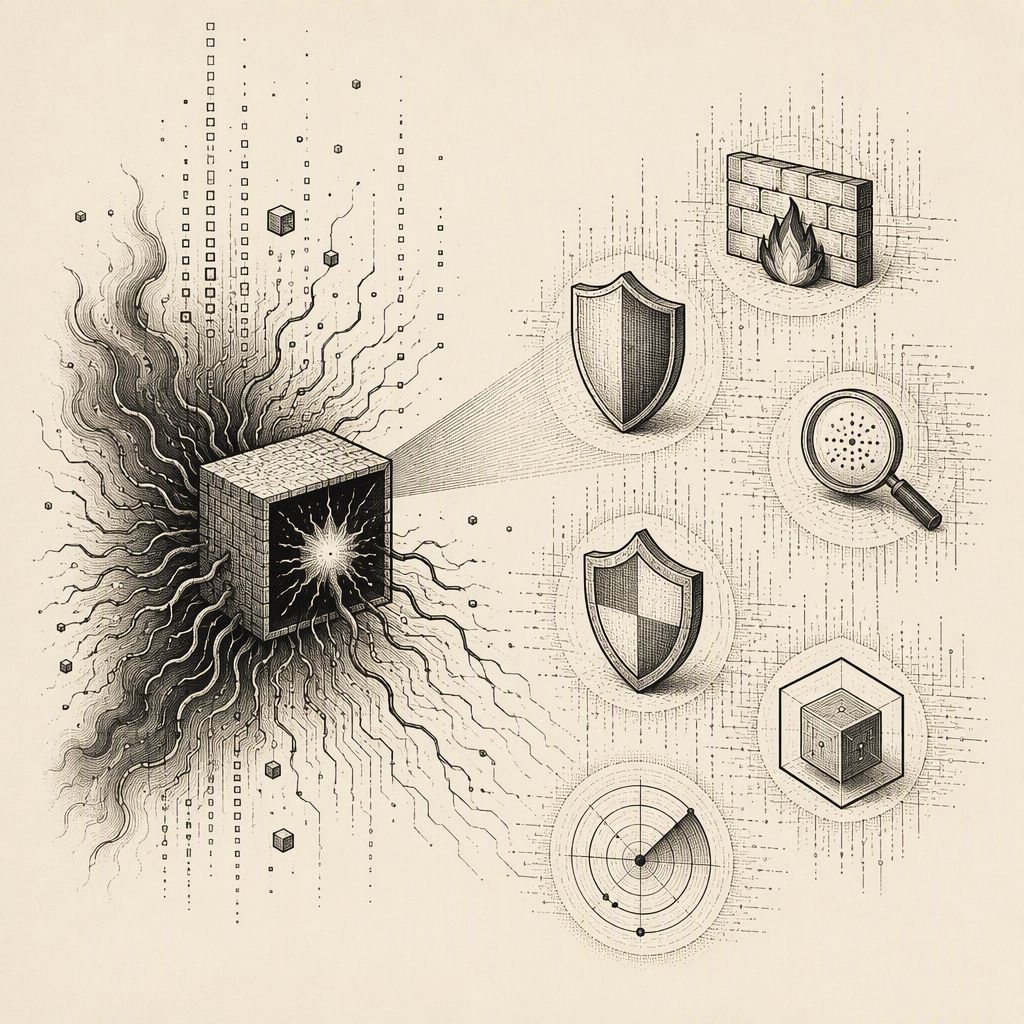
A sophisticated new Windows malware toolkit, dubbed Gryxa, is demonstrating the growing impact of artificial intelligence on cybercrime. This toolkit not only targets credentials stored in Chromium-based browsers and employs advanced persistence techniques but also possesses the unnerving ability to monitor security professionals' attempts to remove it. By observing the tools and methods used by defenders, Gryxa can adapt its own defenses, making it a formidable and evolving threat.
The suspected initial access vector for Gryxa involves phishing messages containing a 19 MB self-extracting executable disguised as an invoice. Once executed, the installer retrieves its components via HTTPS and co-opts legitimate remote monitoring and management (RMM) software to establish a covert command-and-control channel. This tactic mirrors recent campaigns that have abused RMM tools for malicious purposes. Security analysts at ReliaQuest identified Gryxa through an investigation of a public code repository and its associated infrastructure, noting that the operator's management console listed 324 compromised hosts, with 69 active during their analysis.
ReliaQuest's report suggests that Gryxa was substantially developed using a commercial AI coding agent, with repository records showing AI co-author metadata on most commits. This AI assistance potentially allows a single operator to manage an operation that would typically require a small team, significantly lowering the barrier to entry for sophisticated attacks. The toolkit's design prioritizes persistence, credential theft, and rapid recovery from attempted disruptions.
Gryxa's most distinctive feature is its post-remediation adaptation capability. After a security team removes the primary remote management implant, a separate component remains active. This component collects Windows logs and host artifacts, packages them into an archive, and transmits this data to attacker-controlled infrastructure. The collected information can reveal the specific tools and accounts used by responders, enabling the operator to learn from the cleanup attempt and refine their tactics. This data includes scheduled tasks, Windows event subscriptions, installer and service control logs, process creation records, and an inventory of remote access tools.
The malware's resilience is further enhanced by its self-restoring components. Gryxa utilizes multiple scheduled tasks, disguised as legitimate Microsoft entries, and a permanent Windows Management Instrumentation (WMI) event subscription. A backup file copy is also maintained outside the main installation folder. This redundancy ensures that deleting the primary client or a single directory is insufficient for complete removal, as the toolkit can often rebuild itself within minutes. The operator also employs a centralized console and update mechanism to replace any components that have been altered or detected, diminishing the effectiveness of relying solely on file hash detection.
Containment efforts can inadvertently trigger a retaliatory response from Gryxa. The malware periodically checks its command-and-control relay. If two consecutive checks fail, it attempts to disable Microsoft Defender and terminate other listed endpoint security products. A third failed check can initiate a silent uninstall command for the security agent. This means that isolating the remote control service might initiate a 10-to-13-minute countdown before endpoint protection is compromised. Gryxa may even re-enable Defender with exclusions in place once its relay is restored, making a healthy status report an unreliable indicator of a clean system.
Effective remediation requires a comprehensive approach. Security teams are advised to first block the attacker's infrastructure at the network edge. Subsequently, the service, all scheduled tasks, the WMI subscription, and all working directories must be removed, or the host should be reimaged. Organizations should also enable uninstall protection for security software and avoid deploying new remote access tools on potentially compromised systems, as Gryxa may identify them as rivals and uninstall them. If the credential module was active, all saved credentials in affected browser profiles should be considered compromised, rotated, and their access privileges reviewed.
The emergence of Gryxa underscores the broader trend of AI accelerating malware development and enabling more persistent and adaptive attack operations. This highlights the need for security strategies that focus on behavioral analysis rather than solely on static indicators. Maintaining an accurate inventory of approved remote tools and diligently investigating any unusual installations, particularly those initiated via phishing, are crucial steps in reducing the attack surface for threats like Gryxa.