
AI-Powered 'DangleGeddon' Threatens Global-Scale DNS Hijacking
Researchers warn that AI could weaponize forgotten DNS records, turning them into a global-scale threat capable of disrupting governments, banks, and supply chains.
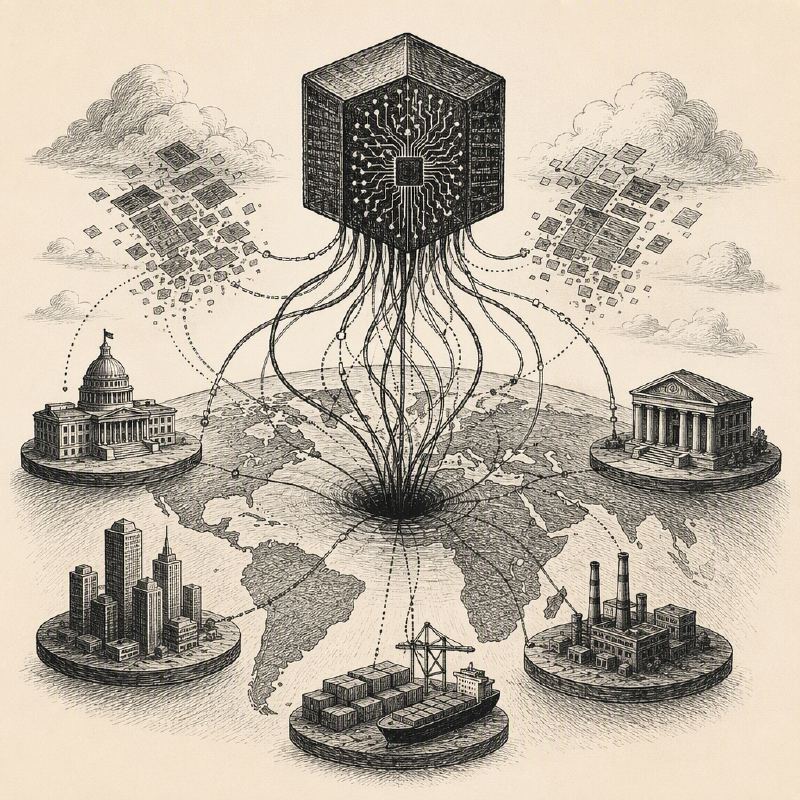
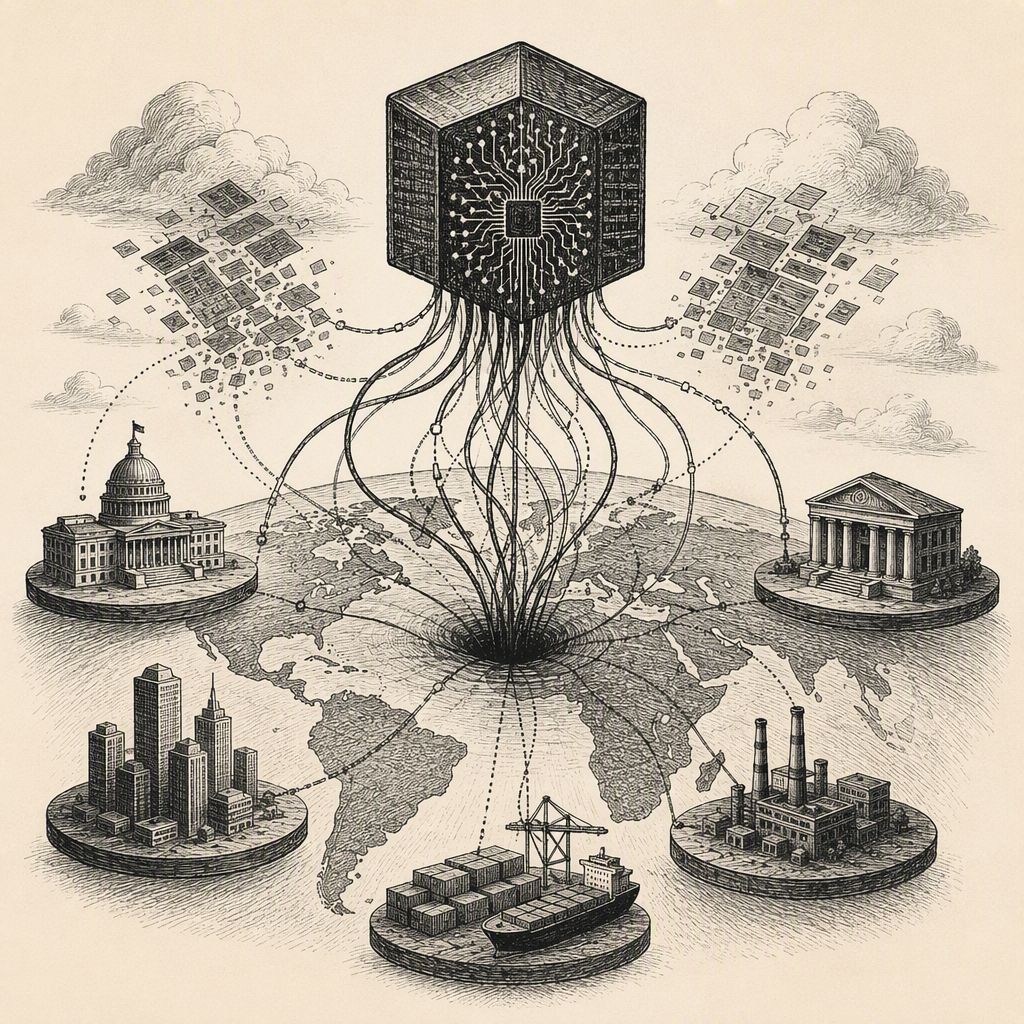
A novel threat dubbed 'DangleGeddon' could enable artificial intelligence to weaponize forgotten DNS records at a global scale, potentially causing widespread disruption to critical infrastructure. This attack vector leverages dangling DNS records – remnants of deleted cloud resources that still point to non-existent endpoints – to hijack subdomains of legitimate organizations.
Traditionally, dangling DNS takeovers have been a tool for financially motivated cybercriminals, exploiting poor security hygiene to gain control of subdomains. However, researchers at Silent Push have explored the implications of this technique when amplified by AI, focusing on the potential for nation-state actors to generate chaos and disruption rather than direct financial gain. Their research, published under the project name 'DangleGeddon,' demonstrates how AI can significantly expand the attack surface and automate exploitation.
Silent Push utilized AI, specifically Claude Opus 5, to massively expand domain and subdomain discovery, targeting approximately 12,500 domains. The AI was instrumental in filtering out non-exploitable targets, reducing a large dataset to a precise list of hundreds of vulnerable domains. This AI-driven reconnaissance identified new targets that might have been missed by human attackers, broadening the potential attack surface.
Furthermore, AI facilitated the automation of infrastructure build-out for exploitation. The researchers found themselves "one button push away from Dangle Day," indicating that a hypothetical 'DangleGeddon' scenario could become a reality within minutes. Safe tests conducted by the researchers revealed the potential impact, with one instance demonstrating how a dangling record on a U.S. federal government domain could be used to create phishing pages that bypassed trust filters due to the .gov domain's inherent credibility.
The research highlighted specific examples of vulnerable records found at major organizations, including Société Générale (France's largest bank), Ford (a Fortune 500 manufacturing company), and Eli Lilly (a pharmaceutical giant). In Ford's case, a dangling record could have led to the harvesting of developer credentials or the hosting of malware under the legitimate Ford domain. For government entities, such takeovers could bypass security safeguards and potentially impact national security.
Silent Push projected severe downstream effects if a global 'DangleGeddon' were to occur. Multinational banking firms could face paralysis of online banking and payment systems. The manufacturing sector could see supply chain integration severely disrupted. In pharmaceuticals, the impact could undermine R&D, disrupt clinical trials, and compromise the drug supply chain, with estimated losses reaching hundreds of billions of dollars.
The research underscores that while AI can assist nation-states in inflicting large-scale chaos, it could also be leveraged by individual cybercriminals for more localized monetization. The core message from Silent Push is a stark warning to organizations: eliminate dangling DNS records to prevent becoming a target. The era of 'DangleGeddon' highlights the critical need for diligent security hygiene in managing cloud resources and DNS configurations.