
AI Playbooks Developed to Counter Healthcare Cyber Threats
The Coalition for Health AI is developing defensive playbooks to combat the accelerated threat landscape posed by advanced AI models in healthcare cybersecurity.

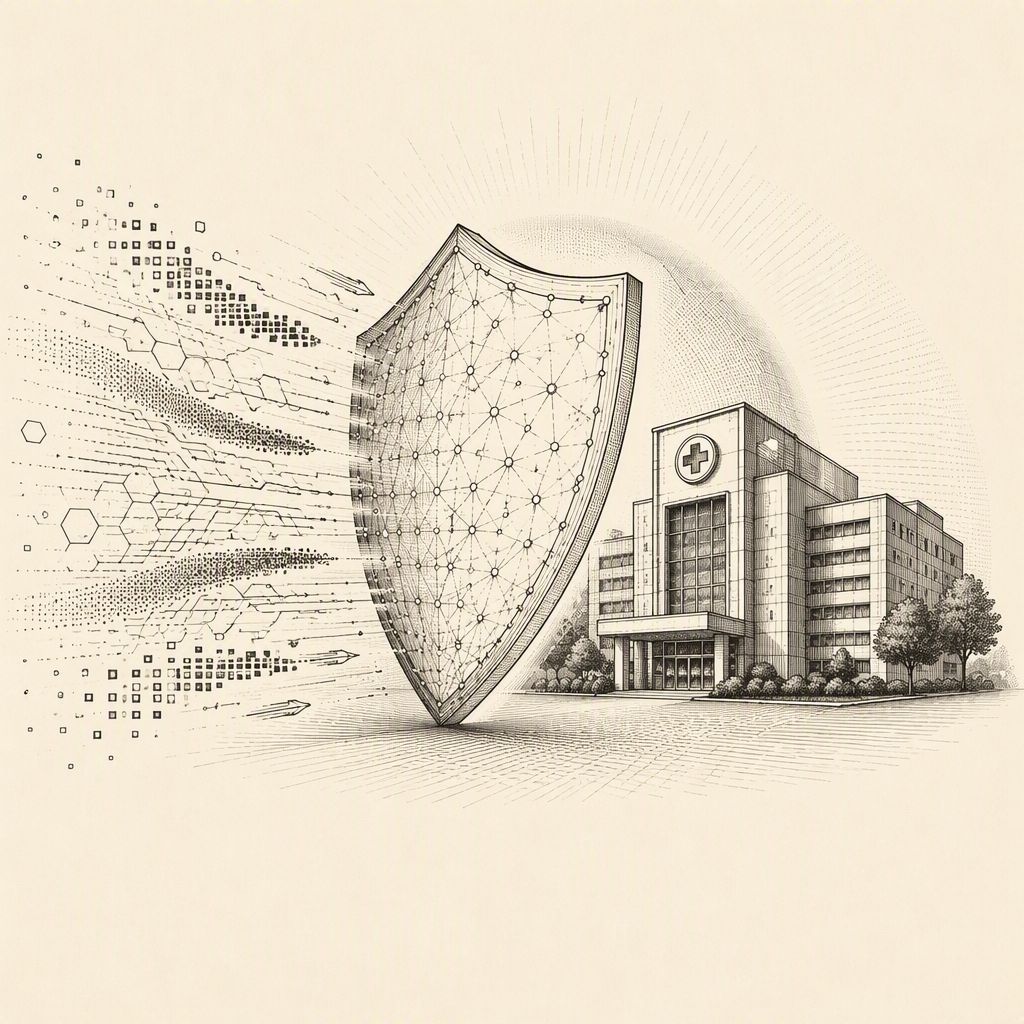
Frontier AI models are rapidly transforming the cybersecurity threat landscape, particularly within the sensitive healthcare sector. These advanced artificial intelligence systems possess the capability to identify network vulnerabilities and compress attack timelines from days or weeks down to mere seconds. This dramatic acceleration means that traditional defensive strategies may become obsolete, leaving healthcare organizations critically exposed.
In response to this escalating threat, the Coalition for Health AI (CHAI) has established a dedicated cyber task force. This specialized group is actively engaged in the development of new defensive playbooks. The primary objective of these playbooks is to equip healthcare providers with the necessary tools and strategies to counter these machine-speed cyber threats effectively. The focus is on proactive defense and rapid response mechanisms tailored to the unique challenges presented by AI-driven attacks.
Dr. Brian Anderson, CEO of CHAI, highlighted the critical nature of these developments. He emphasized that the speed at which AI can discover and exploit weaknesses necessitates a paradigm shift in cybersecurity. "Frontier AI models can identify network vulnerabilities and compress attacks from days or weeks into seconds, raising the stakes for healthcare," Dr. Anderson stated. This underscores the urgency behind CHAI's initiative to create adaptive and swift defensive measures.
The playbooks are designed to address various facets of AI-enabled attacks. This includes strategies for detecting anomalous network behavior indicative of AI reconnaissance, methods for rapidly patching identified vulnerabilities before they can be exploited, and protocols for swift incident response when an attack is detected. The aim is to create a more resilient cybersecurity posture that can keep pace with the evolving capabilities of threat actors.
While the specific details of the playbooks are still under development, the initiative signals a significant step towards addressing the unique cybersecurity challenges posed by artificial intelligence in critical infrastructure. The healthcare industry, with its vast amounts of sensitive patient data and reliance on interconnected systems, is a prime target. The proactive measures being developed by CHAI are crucial for safeguarding patient privacy and ensuring the continuity of care.
The formation of this task force and the development of these playbooks represent a collaborative effort to stay ahead of emerging threats. By focusing on the specific ways AI can be weaponized, CHAI aims to provide actionable guidance that can be implemented across the healthcare ecosystem. This includes not only technical defenses but also awareness training and policy recommendations to foster a more secure environment.
The initiative also acknowledges the dual-use nature of AI. While advanced AI can be used by attackers, it can also be a powerful tool for defenders. The playbooks will likely incorporate AI-driven defensive tools and techniques to augment human capabilities in threat detection and response, creating a more balanced fight against sophisticated adversaries.
Ultimately, the success of these playbooks will depend on their adoption and effective implementation by healthcare organizations. CHAI's efforts are a critical component in the broader cybersecurity community's struggle to adapt to the AI revolution, ensuring that the benefits of AI in healthcare do not come at the cost of compromised security and patient safety.