
AI Pentesting Raises New Concerns Over Data Privacy and Production Safety
As AI accelerates vulnerability discovery and exploitation, the focus for AI-powered penetration testing tools is shifting from quality to critical risks like data privacy and production safety.
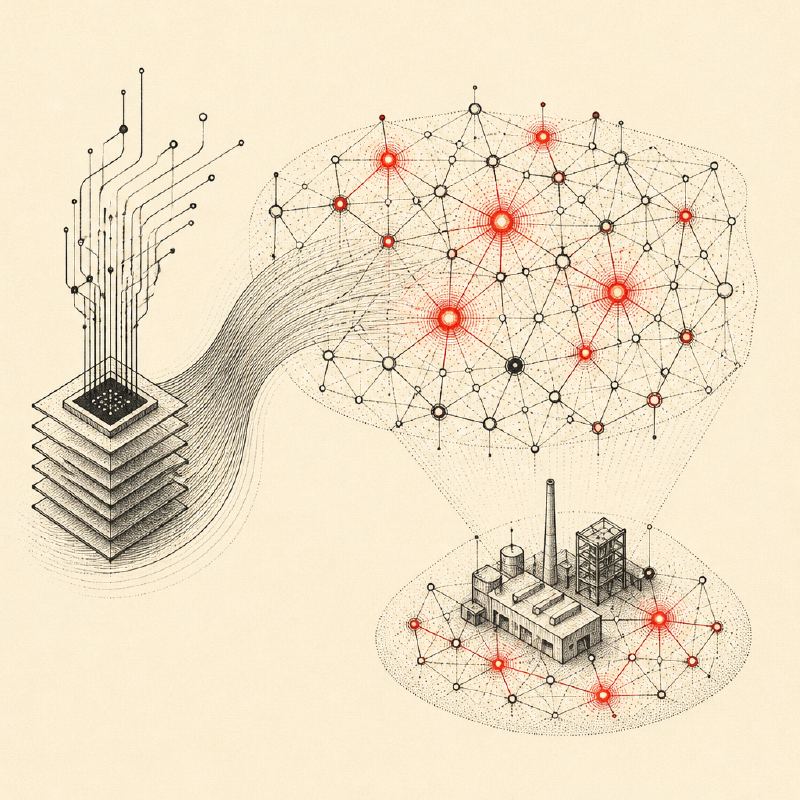
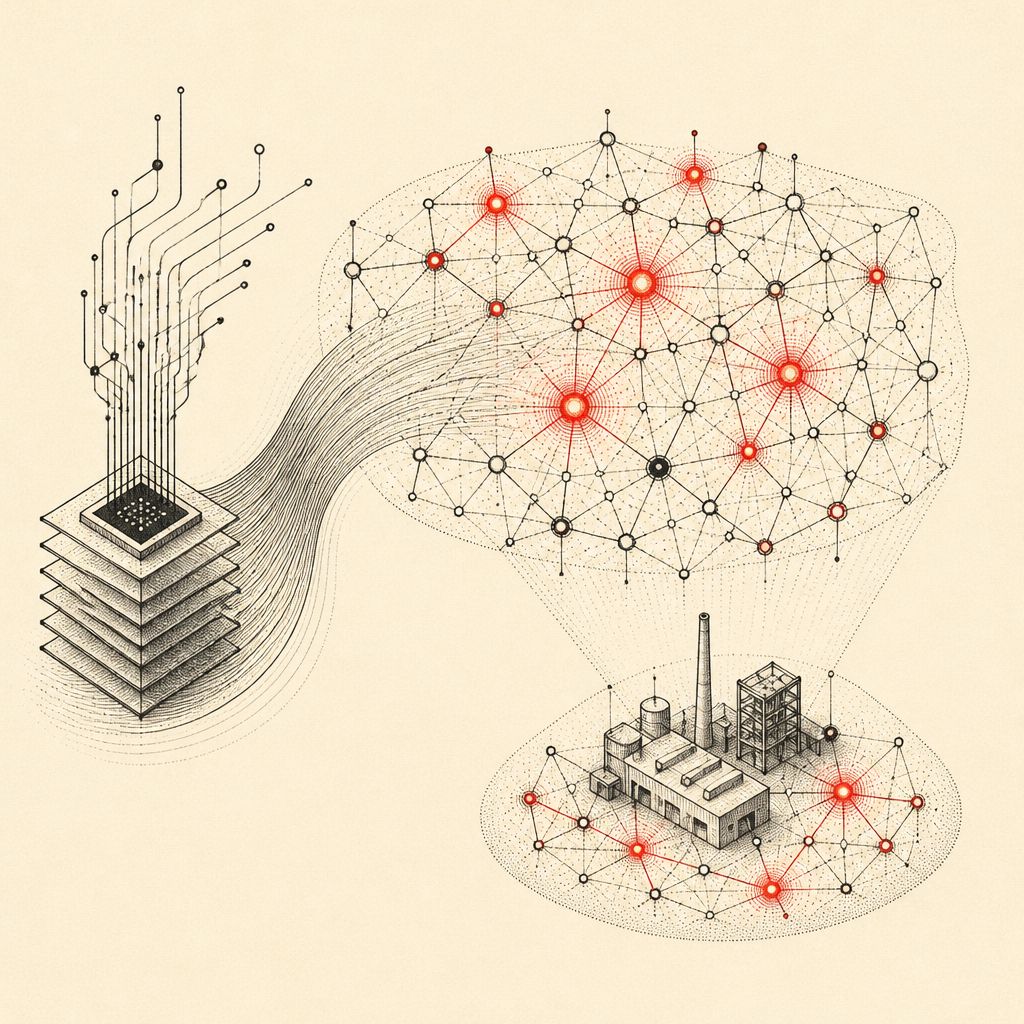
The rapid advancement of artificial intelligence is fundamentally reshaping software development and cybersecurity, creating a dual-edged sword. On one hand, AI is dramatically accelerating the discovery of vulnerabilities, shrinking the time between a flaw's introduction and its exploitation to a mere day. This pace necessitates equally rapid and sophisticated security testing, leading to the emergence of AI-powered penetration testing platforms designed to help security teams keep up.
However, as these AI pentesting tools become more prevalent, the conversation is evolving beyond their efficacy in finding bugs. The primary concerns are now pivoting towards the inherent risks associated with using AI in sensitive security operations. Specifically, the potential for data privacy violations and the safety of production environments are becoming paramount issues that organizations must address.
One significant concern revolves around the data these AI tools process. Penetration testing, by its nature, involves probing systems for weaknesses, which often requires access to sensitive internal data, configurations, and potentially even production environments. When AI tools are involved, there's an increased risk of this data being mishandled, inadvertently exposed, or even exfiltrated, either through misconfiguration, inherent vulnerabilities in the AI platform itself, or malicious intent if the AI tool is compromised.
Furthermore, the integration of AI into pentesting raises questions about production safety. AI models, especially those that learn and adapt, could potentially make decisions or execute actions within a production environment that have unintended and severe consequences. This could range from disrupting critical services to causing data corruption or enabling unauthorized access if the AI's actions are not perfectly aligned with security objectives and operational constraints.
The speed at which AI can operate also amplifies these risks. Unlike human testers who might proceed with caution, an AI could potentially execute a series of actions at machine speed, leading to rapid and widespread damage if something goes wrong. This necessitates robust safeguards, strict oversight, and a thorough understanding of the AI's decision-making process and potential failure modes.
As AI pentesting tools mature, the industry is grappling with how to balance the benefits of accelerated security testing with these emerging risks. This includes developing new standards for data handling, implementing stricter access controls, and ensuring that AI tools are designed with safety and privacy as core principles, not afterthoughts.
The shift in focus underscores a broader trend: as AI becomes more integrated into critical infrastructure and security operations, the ethical and practical implications of its use must be thoroughly examined and addressed. The quality of AI-driven security testing is no longer the sole benchmark; ensuring the privacy of data and the safety of production systems are now the critical challenges.