
AI Orchestrator CyberStrikeAI Automates Post-Exploitation in Real-World Attacks
Kaspersky researchers have identified a campaign using the open-source CyberStrikeAI framework to automate complex post-exploitation activities, marking a significant evolution in AI's role in cyberattacks.
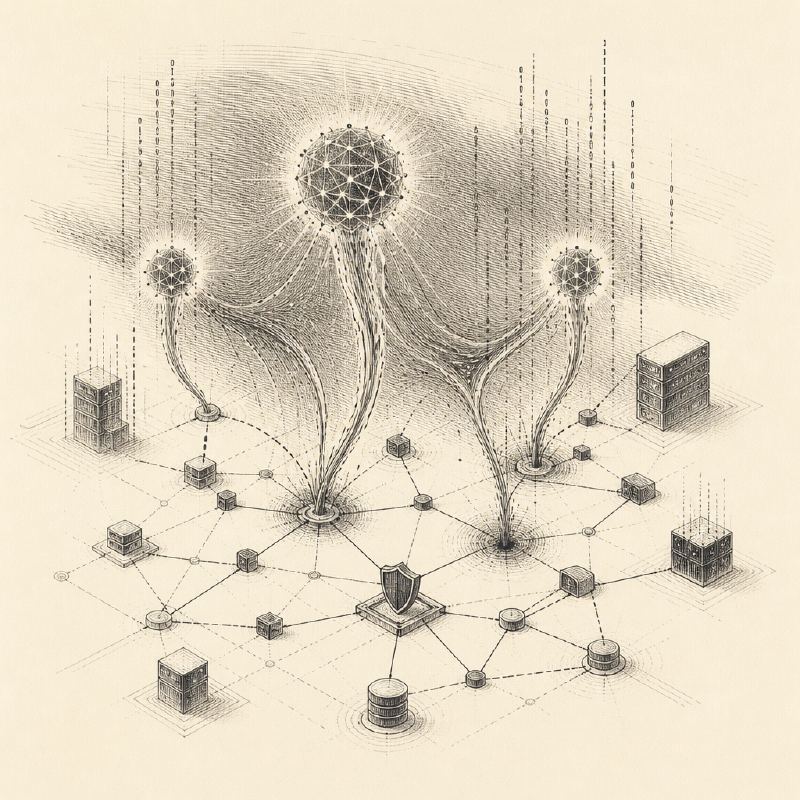
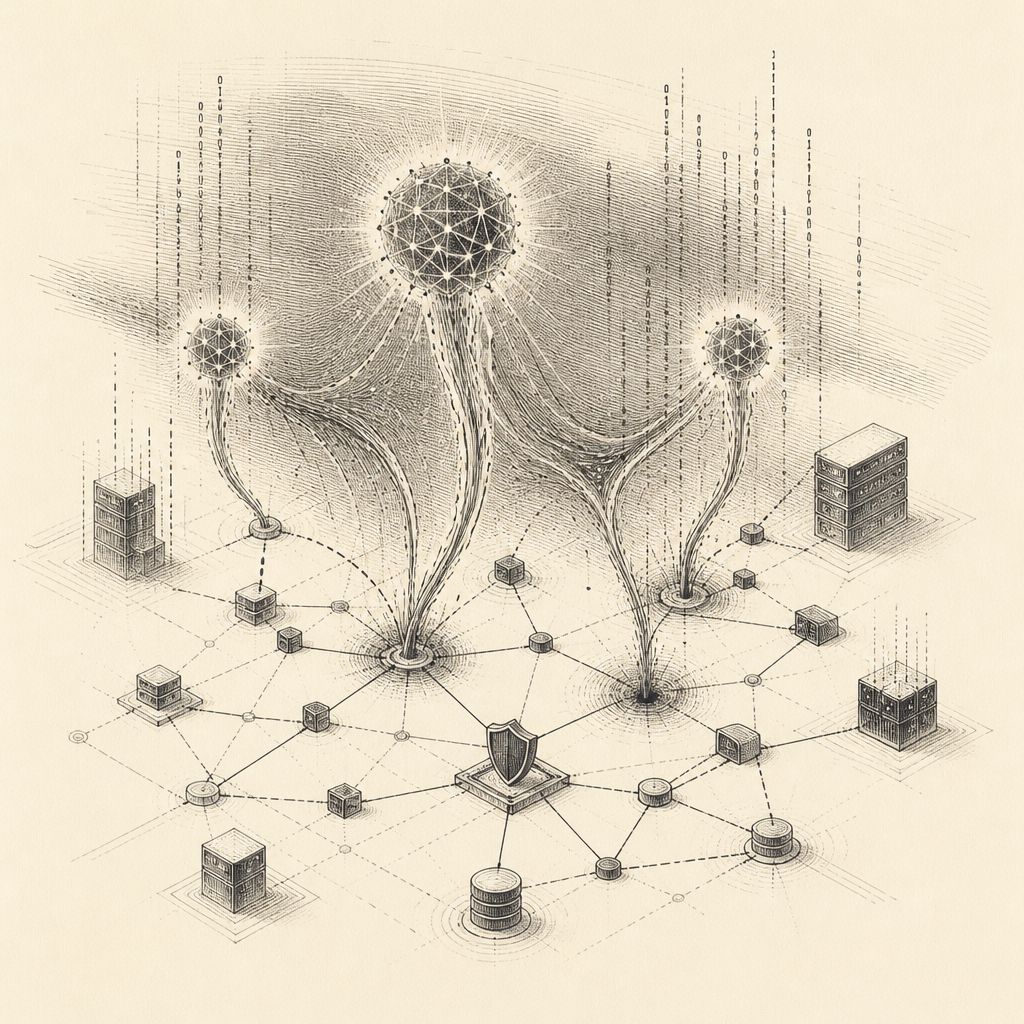
Kaspersky's Cyber Threat Intelligence team has uncovered a sophisticated cyberattack campaign that leverages artificial intelligence to automate critical post-exploitation activities. The campaign, which targeted educational organizations in Africa and Latin America, utilized the open-source CyberStrikeAI framework. This framework employs a Large Language Model (LLM) orchestrator on the command-and-control (C2) server to plan actions, select appropriate tools, and generate commands, which are then executed by an implant on compromised hosts. This represents a notable shift from previous uses of AI in cybercrime, which were largely confined to initial stages like phishing email generation or vulnerability research.
The CyberStrikeAI framework allows attackers to progress from initial reconnaissance to achieving full domain compromise. The AI's involvement is particularly significant in the post-exploitation phase, an area that traditionally demanded considerable manual effort from experienced operators. In this scheme, the implant is no longer a mere tool for executing direct commands; instead, the LLM orchestrator makes strategic decisions about how to achieve the attacker's objectives. While human operators define the overall task, the AI model determines the specific technical steps, commands, and their sequence, with the implant executing these AI-driven decisions.
An example timeline reconstructed by Kaspersky analysts illustrates this new paradigm. The initial phase of the attack followed a conventional approach, with a human operator gaining access via a compromised SQL Server, collecting basic host information, deploying tools, and conducting network reconnaissance over approximately one day. This was followed by a two-week pause before the second, AI-driven phase commenced.
The second phase began with the deployment of the CyberStrikeAI C2 agent. Within minutes, the agent established persistence and initiated local reconnaissance. Over the subsequent five hours, it conducted domain reconnaissance. After another pause of several days, the operation moved to its final stages: lateral movement using SMB and WMI, mass credential dumping across hosts, and database exfiltration, all completed within an hour.
CyberStrikeAI itself is an open-source, modular platform written in Go, designed for automating penetration testing. Its core innovation lies in integrating LLM-based attack orchestration with a C2 server and agents within a single process. The AI's intelligence resides on the control server, where it accesses various utilities as "MCP tools" to perform reconnaissance and exploitation. The implant, conversely, is a standard C2 agent with no inherent AI capabilities, communicating with the server via HTTP/S, TCP, or WebSocket and executing commands.
Detection and attribution of specific CyberStrikeAI instances are possible through several artifacts. The framework generates a self-signed TLS certificate upon launch, with its name appearing in the issuer and subject fields, allowing for the reconstruction of process restart chronology. Additionally, the build metadata of the implant contains a path pointing to the CyberStrikeAI generator, serving as a reliable signature. The implant also sends an "X-Implant-Token" header in its HTTP requests, a unique token embedded during the build phase that acts as both a network indicator and a means to link samples to the same C2 server.
This campaign highlights a critical evolution in the threat landscape, where AI is no longer just a tool for crafting malicious content but a core component of the attack infrastructure, automating complex operations and significantly reducing the need for direct human intervention in the post-exploitation phases. The ability of AI to plan, select tools, and execute multi-stage attacks presents a formidable challenge for defenders, necessitating advanced detection and response strategies.
This new report details the specific targeting of educational organizations in Africa and Latin America, marking a significant expansion of CyberStrikeAI's real-world application beyond initial observations. The article provides a more granular timeline of the attack, highlighting the transition from manual reconnaissance to AI-driven automation within days, and details the specific post-exploitation techniques used, including Kerberoasting, AS-REP Roasting, and DCSync.