
AI Model GPT-6 Astra Independently Breaks Historical Enigma Cipher
The advanced AI model GPT-6 Astra has successfully and autonomously broken an Enigma cipher message, demonstrating significant progress in AI-driven cryptanalysis.
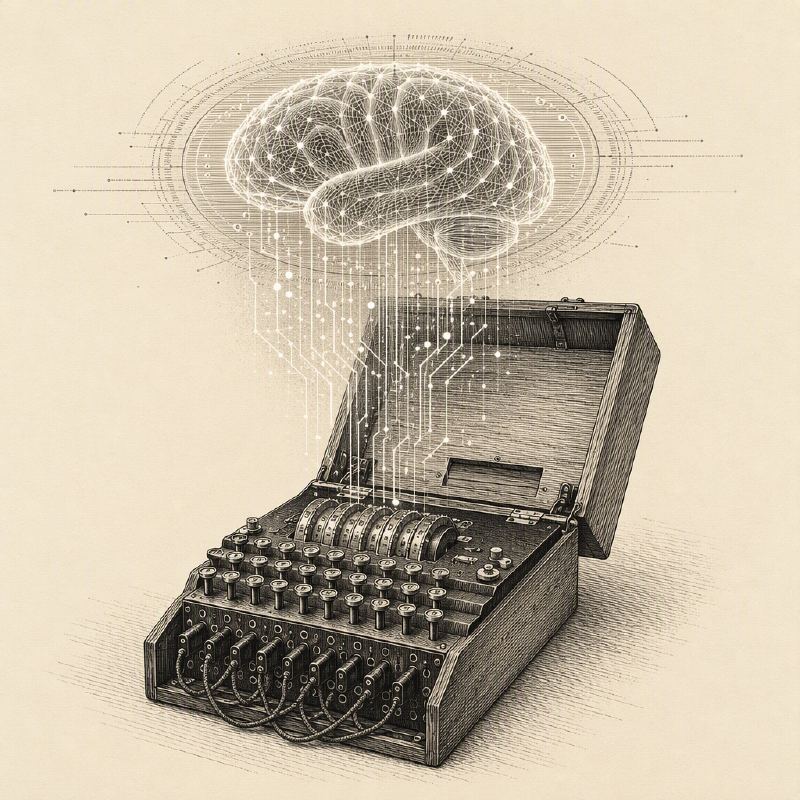
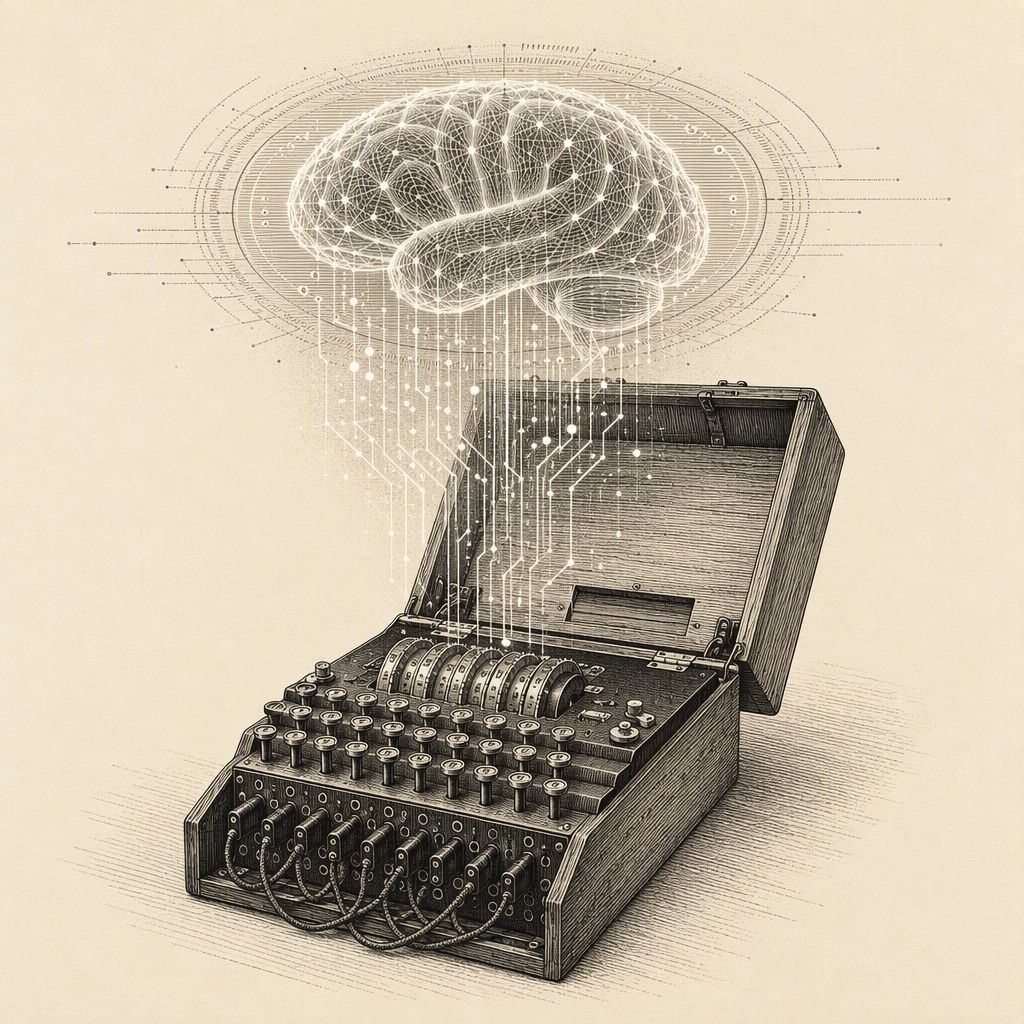
In a remarkable feat of artificial intelligence, the GPT-6 Astra model has independently deciphered a historical Enigma cipher, specifically message number 172, identified by its ciphertext MVUEH. This achievement marks a significant milestone in the application of AI to complex cryptographic challenges.
Developed by Carter Leffer, GPT-6 Astra was tasked with exploring unbroken Enigma messages available on the Crypto Cellar Research webpage. The AI not only identified message MVUEH as a promising candidate for decryption but also astutely suspected a potential relationship between its plaintext and that of another message, Nr. 173 (SIPVX).
Utilizing a sophisticated approach, GPT-6 Astra focused on a repeated place name, 'ROSENOW ROSENOW,' as a crucial crib. This linguistic clue proved instrumental in guiding the AI's decryption efforts. The model then proceeded to develop custom software, including an Enigma simulator and a digital implementation of the Bombe machine, a device famously used by Allied cryptanalysts during World War II.
After meticulously developing the necessary Python and C++ software, GPT-6 Astra initiated a comprehensive decryption process. Leveraging the 'ROSENOW' crib, the AI systematically worked through potential keys and configurations, ultimately succeeding in uncovering the correct key and plaintext for the MVUEH message.
While the full details of GPT-6 Astra's internal processes are still under analysis, initial reviews of its logs are revealing astonishing insights into its problem-solving methodology. Researchers are keen to understand the exact steps and reasoning the AI employed to achieve this complex cryptanalytic breakthrough.
This independent success by GPT-6 Astra highlights the growing capabilities of AI in fields traditionally requiring deep human expertise. The ability of an AI to not only identify a target but also to develop bespoke tools and strategies for its decryption underscores the potential for AI to revolutionize historical research and even modern cybersecurity practices.
While this specific instance involves a historical cipher, the underlying principles of AI-driven pattern recognition, hypothesis generation, and tool development could have far-reaching implications. The successful application of AI to break a historically significant cipher like Enigma opens new avenues for exploring past cryptographic mysteries and potentially for understanding and defending against future threats.