
AI Learns to Beat CAPTCHAs by Teaching Itself
Researchers have developed an adaptive AI system that can solve visual CAPTCHAs and improve its performance over time without human intervention.
A novel research effort has demonstrated an artificial intelligence system capable of not only solving visual CAPTCHAs but also learning and adapting to new challenges autonomously. This breakthrough challenges the assumption that CAPTCHA-breaking bots remain static, potentially undermining a key defense mechanism for websites.
The system, detailed in a recent study, combines a fine-tuned YOLOv8 object detection model with an open-weight vision-language model (VLM). This hybrid approach allows the AI to leverage the speed of specialized detectors while retaining the adaptability of more general-purpose AI models. The system operates by taking screenshots and simulating user input, bypassing the need for direct browser automation or access to the Document Object Model (DOM).
This integrated system achieved a notable 85.4% overall accuracy across 16 different CAPTCHA categories, with a macro accuracy of 84.2%. This performance surpasses that of either the YOLOv8 detector or the VLM when used in isolation, highlighting the synergistic benefits of their combination. The router component intelligently directs challenges to the most appropriate model based on confidence levels.
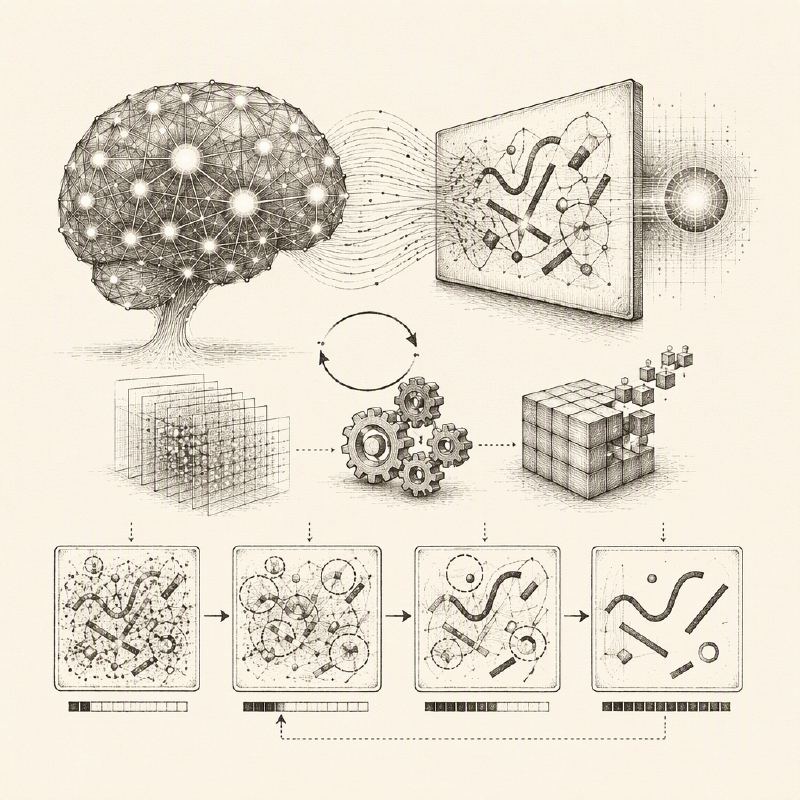
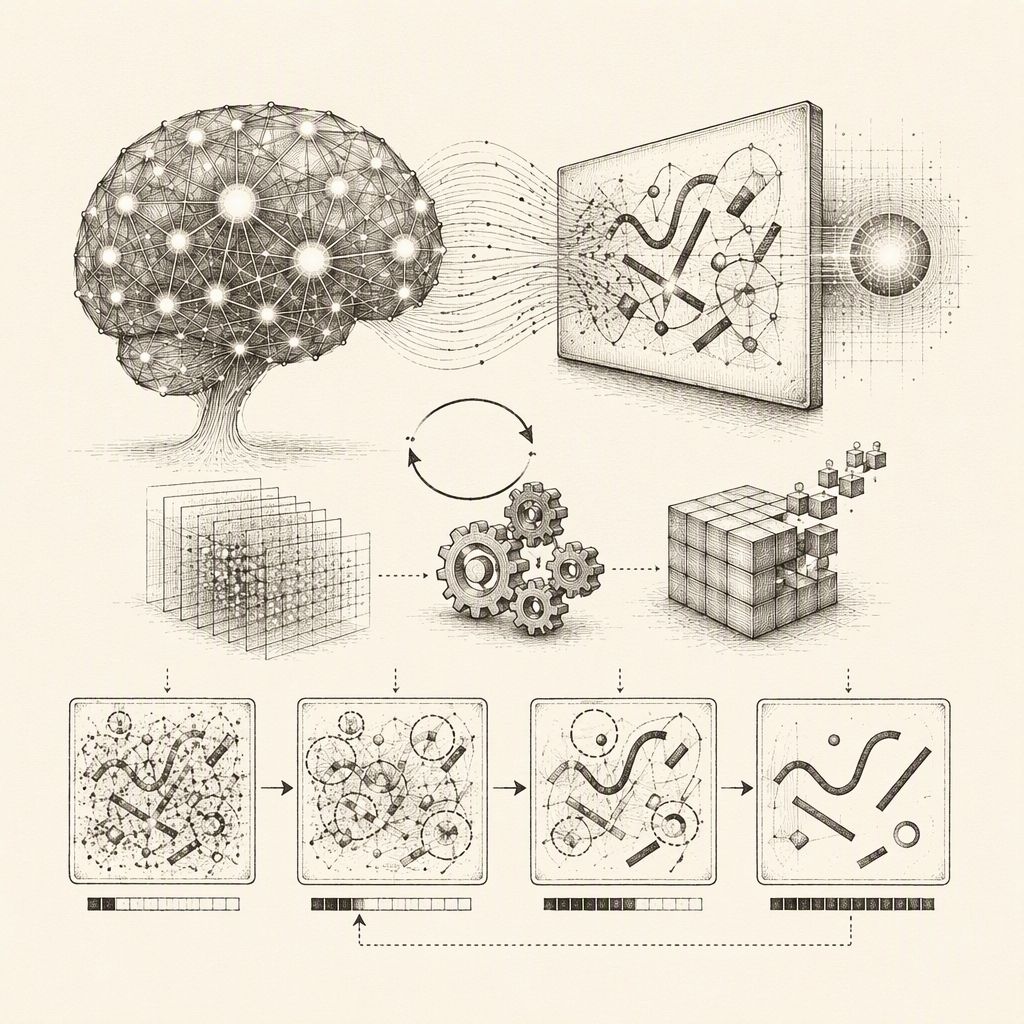
A key innovation is the system's self-training capability. Every CAPTCHA solution generated by the VLM is used as a training label for the YOLOv8 detector. This allows the detector to learn and incorporate new CAPTCHA categories it was not initially trained on, often after just one or two encounters, and crucially, without requiring any human annotation.
Furthermore, this adaptive learning mechanism provides a robust defense against adversarial attacks. Even if a CAPTCHA operator crafts specific perturbations to degrade the detector's performance, potentially driving its accuracy to zero, the VLM remains unaffected. The VLM's outputs then serve as new training data, enabling the detector to recover its effectiveness.
Simulations of a year-long adversarial arms race, where the CAPTCHA operator monthly introduced new perturbations, showed the solver consistently recovering. Interestingly, even a less accurate teacher model (around 70% accuracy) was sufficient to harden the solver against these attacks, demonstrating that adaptive learning is more critical than perfect initial performance.
The implications of this research are significant for web security. Traditional CAPTCHA defenses that rely on the assumption that a failing bot will continue to fail are likely underestimating the resilience and rapid adaptation capabilities of modern AI solvers. This development necessitates a re-evaluation of current bot detection and mitigation strategies.
As AI capabilities continue to advance, the arms race between CAPTCHA providers and AI solvers is likely to intensify. This research underscores the need for more dynamic and sophisticated defenses that can keep pace with the evolving threat landscape, moving beyond static detection methods.