
AI Generates Novel Bacteriophage Genomes, Demonstrating Dual-Use Potential
Researchers have successfully employed AI models to design and synthesize novel bacteriophage genomes capable of infecting and destroying E. coli, highlighting significant advancements and potential dual-use implications in synthetic biology.
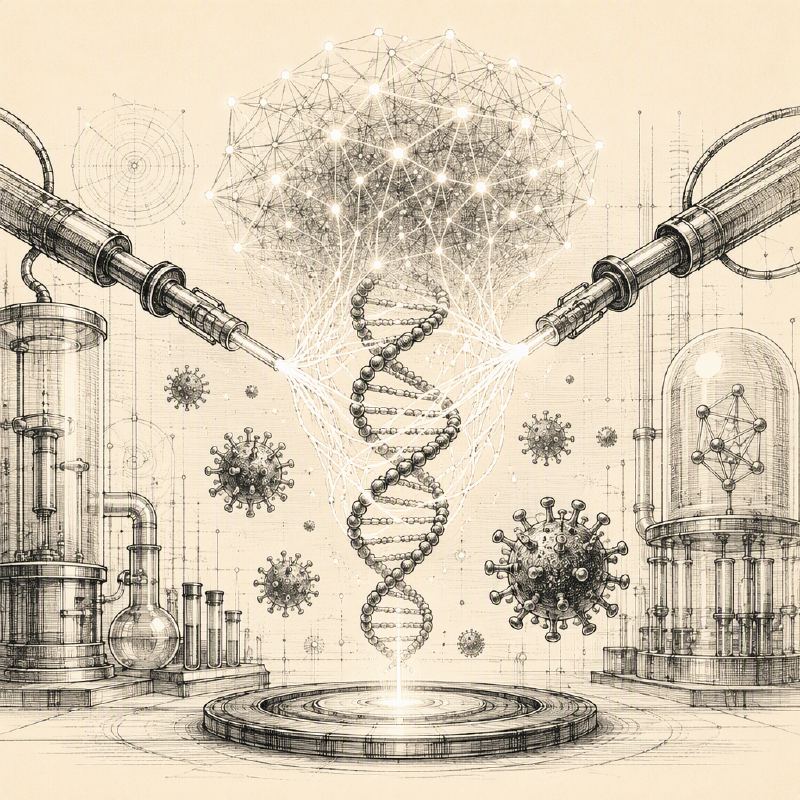
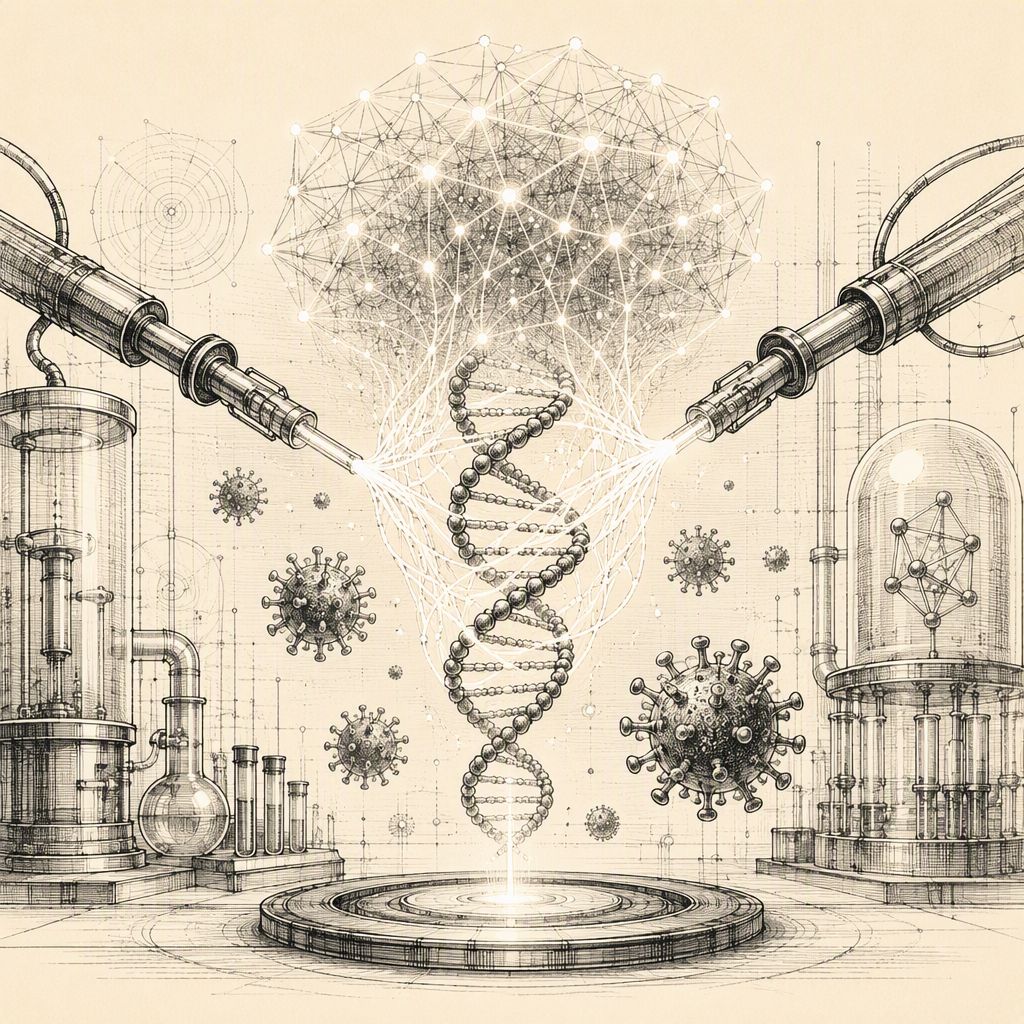
In a groundbreaking development at the intersection of artificial intelligence and synthetic biology, researchers have demonstrated AI's capability to design entirely new genetic codes for bacteriophages—viruses that infect bacteria. This research, detailed in a recent study, utilized AI models to generate novel genomes with the specific purpose of targeting and eliminating *Escherichia coli* (E. coli) bacteria.
The process began with an existing bacteriophage, ΦX174, known for its efficacy against E. coli. This known virus served as a template for AI models, which were tasked with creating complete, viable bacteriophage genomes. The AI systems generated an extensive library of approximately 700,000 potential designs. From this vast pool, researchers meticulously selected 285 designs that showed the most promise based on computational analysis.
Following the selection process, the researchers moved to the crucial synthesis phase. They synthesized new DNA molecules corresponding to the selected AI-generated designs. These synthetic DNA constructs were then introduced into E. coli bacteria. The objective was to observe whether these synthetic genomes could assemble into functional, infectious bacteriophages within the host bacteria, effectively 'bringing the designs to life'.
The results were striking: 16 of the synthesized DNA molecules successfully yielded viable bacteriophages. These newly created viruses demonstrated their ability to infect and replicate within E. coli, leading to the characteristic 'clear spots' on bacterial cultures—a visual indicator of viral activity and bacterial lysis. This outcome validates the AI's ability to design functional biological entities from scratch.
Remarkably, some of the AI-designed bacteriophages not only proved viable but also exhibited enhanced efficacy against E. coli compared to the original ΦX174 strain used as a reference. This suggests that AI can not only replicate existing biological functions but also potentially improve upon them, opening new avenues for therapeutic applications such as targeted bacterial infection control.
While the researchers highlight the positive applications, such as developing new tools to combat antibiotic-resistant bacteria, the dual-use nature of this technology is undeniable. The ability to rapidly design and synthesize novel biological agents, even viruses, raises significant security concerns. The same AI capabilities that can be used for beneficial purposes could potentially be weaponized to create novel biological threats.
This research underscores the accelerating pace of innovation in AI-driven synthetic biology. It presents a powerful demonstration of how AI can be leveraged to engineer complex biological systems, offering immense potential for scientific advancement and medical breakthroughs. However, it also necessitates a proactive and robust approach to biosecurity and ethical oversight to mitigate the inherent risks associated with such powerful capabilities.
The implications extend beyond mere viral design. This work serves as a potent reminder that as AI becomes more sophisticated, its capacity to impact the physical world, including biological systems, will grow. This necessitates careful consideration of governance, safety protocols, and international collaboration to ensure that these powerful tools are developed and deployed responsibly.