
AI Empowers Lesser-Resourced Attackers with Nation-State Capabilities, Google Warns
Google's Threat Analysis Group (TAG) reports that adversaries are increasingly using AI to automate and scale attacks, granting previously nation-state-exclusive capabilities to less resourced actors.
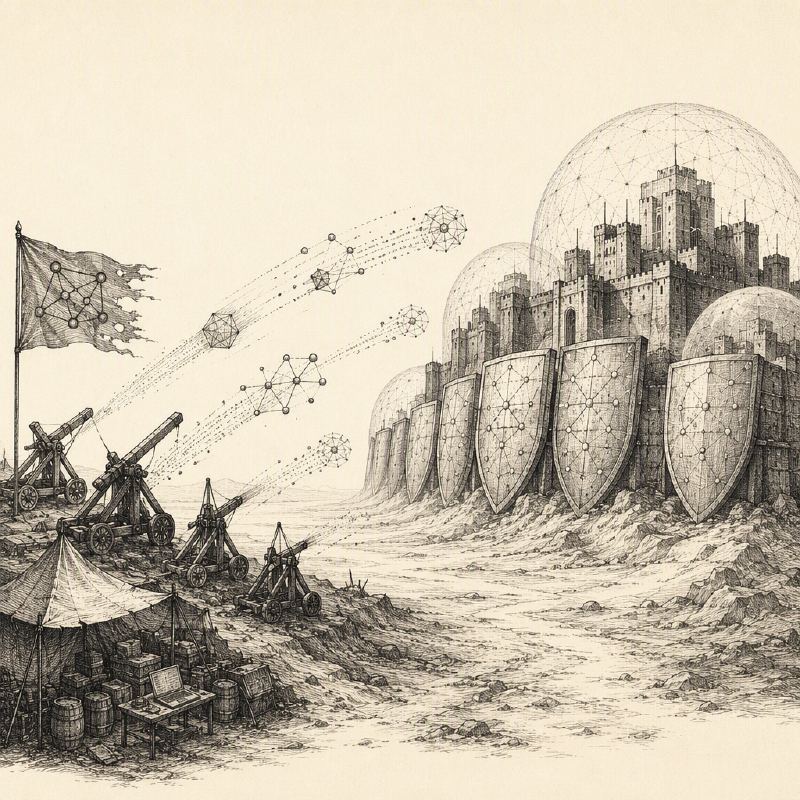
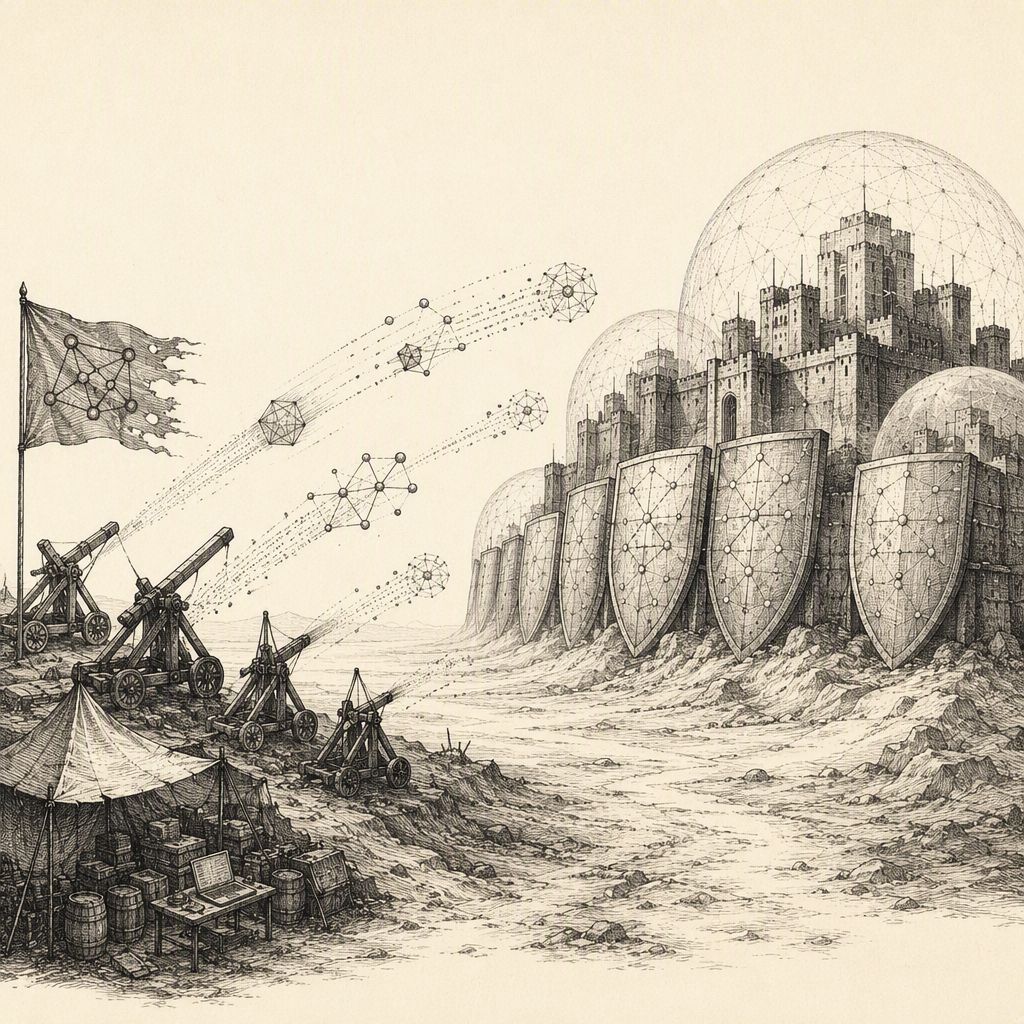
Adversaries, encompassing both criminal enterprises and state-sponsored groups, are increasingly weaponizing artificial intelligence to automate and amplify their cyberattacks, according to a new report from Google’s Threat Intelligence Group (GTIG). What began as relatively basic adversarial prompt injection into enterprise AI systems has escalated into a full-fledged digital conflict, with attackers developing and deploying their own AI systems, while defenders simultaneously implement AI-driven defenses, thereby expanding the overall attack surface.
This dynamic creates an ongoing and escalating loop of innovation and counter-innovation that is unlikely to subside. Google, finding itself on both sides of this burgeoning conflict—partly as a developer of AI models like Gemini and partly as a defender working to detect and neutralize malicious actors—has meticulously chronicled this evolution throughout 2026. The overarching impact of this AI-driven automation is a dramatic increase in the speed and efficiency of cyberattacks.
TeamPCP (also tracked as UNC6780) serves as a prime example of this trend. Google researchers noted that this threat actor "leveraged an AI coding chatbot, a prompt, and a set of agent instructions to plan, build, and execute a mass credential harvesting campaign in less than six hours." This demonstrates how AI allows attackers to operate at a scale and with a speed previously associated only with larger, more well-funded organizations, particularly those affiliated with nation-states.
TeamPCP's activities also highlight the escalating severity of threat actor exploitation of AI and the open-source software supply chain. Since March 2026, the group has engaged in compromises targeting platforms such as PyPI, npm, and Docker Hub. Furthermore, they have implemented over half a dozen distinct methods to target or exploit AI tools and open-source development practices, with some of these techniques integrated into their Dustmaker credential stealer software. The group has also developed and publicly released tools like Shai-Hulud and Miasma, which GTIG anticipates will spur other adversaries to emulate these tactics due to their apparent success and open-source availability.
Beyond financially motivated cybercriminals, nation-state actors are also heavily investing in AI. In June 2026, GTIG detailed a multi-year cyberespionage campaign by UNC6508, a threat actor linked to the People's Republic of China (PRC), which targeted academic, medical, and military research institutions across North America. Google has identified various nation-state actors actively experimenting with AI-powered development tools to construct automated exploitation and post-exploitation pipelines.
Specific examples include PRC-nexus groups like Basin Castle, which queries Large Language Models (LLMs) for target profiling, crafting social engineering lures, authoring obfuscated malware, and troubleshooting post-exploitation commands. Calanque Ion (APT42), an Iran-backed group, has utilized generative AI, including Gemini, for identifying target email addresses, conducting open-source intelligence (OSINT) research, and translating content for localized pretext lures. Ravine Castle (APT24), another PRC-nexus actor, employs Gemini across the entire attack lifecycle, from intelligence gathering to developing attack capabilities and conducting influence operations, including generating propaganda and anonymizing data leaks.
Google's response to this surge in AI-assisted attacks involves actively disrupting adversarial operations by disabling associated projects and accounts upon identification. The company is also fortifying its own AI models against misuse, implementing real-time defenses to degrade the performance of unauthorized 'student' models and detect attempts to clone proprietary logic. However, the fundamental challenge remains AI's inherent capability in discovering vulnerabilities and developing novel malware and exploits. As long as this persists, malicious actors will continue to leverage AI as a force multiplier.
The cybersecurity landscape has always been a dynamic battleground where vulnerabilities are constantly discovered and patched, only to be replaced by new ones. While defenders like Google can identify and disrupt adversarial activities, attackers will inevitably adapt and persist. AI introduces new complexities, significantly increasing the speed and scale of these operations, but the core nature of the cyberwarfare remains fundamentally unchanged.