
AI-Driven Vulnerability Surge Overwhelms Traditional Patching Strategies
Rapid7 warns that the accelerating pace of vulnerability disclosures, amplified by AI, is rendering traditional patching models obsolete, forcing a strategic shift towards exposure-based prioritization.

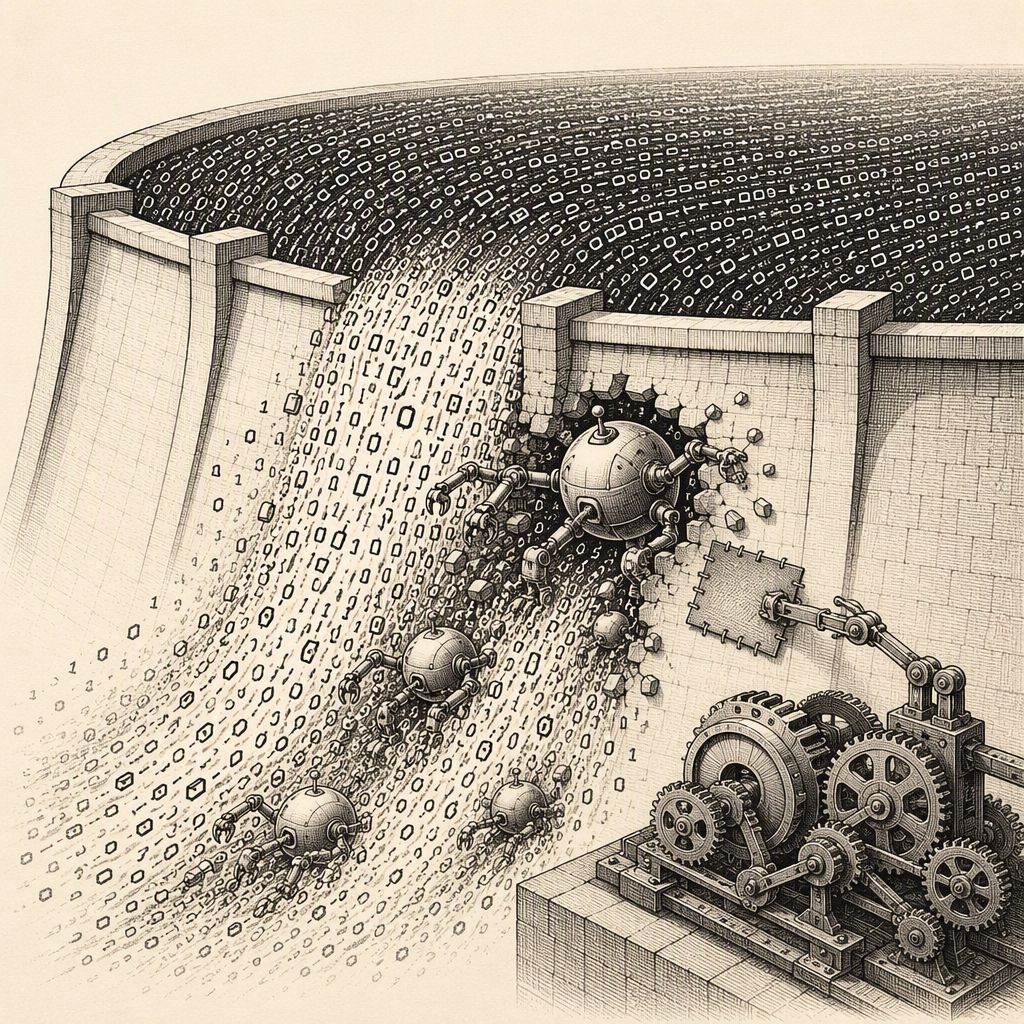
The cybersecurity landscape is facing an unprecedented challenge as the volume of disclosed software vulnerabilities surges, significantly outpacing the capacity of traditional patching mechanisms. A new report from Rapid7 highlights that the advent of AI is not only accelerating the discovery of these flaws but also the speed at which they can be weaponized, creating a critical bottleneck for defenders.
Historically, vulnerability management has relied on a tiered approach, prioritizing fixes based on severity scores like CVSS (Common Vulnerability Scoring System). However, this model is becoming increasingly ineffective. The sheer quantity of new vulnerabilities, coupled with the potential for AI to automate exploit development, means that even high-severity flaws might not be patched before they are actively exploited in the wild. This dynamic forces organizations to rethink their entire approach to security.
Rapid7's analysis suggests a fundamental shift is necessary: defenders must now pivot from a purely severity-driven model to one that emphasizes exposure and active exploitation. Understanding which assets are most likely to be targeted and which vulnerabilities are already being weaponized becomes paramount. This requires a more proactive and dynamic threat intelligence gathering and analysis process, moving beyond static risk scores.
The implications of this AI-driven surge extend to the entire software development lifecycle. Developers and security teams are under immense pressure to not only identify and fix vulnerabilities faster but also to build more resilient software from the ground up. The traditional reactive patching cycle, often measured in weeks or months, is no longer sufficient in an environment where exploits can emerge within days or even hours of a disclosure.
This accelerated threat environment also places a strain on security operations centers (SOCs) and incident response teams. The ability to quickly identify, triage, and respond to threats becomes critical. Organizations need to invest in advanced security tooling, including AI-powered detection and response platforms, to keep pace with the evolving threat actors who are leveraging AI to their advantage.
Furthermore, the report underscores the need for better collaboration and information sharing within the cybersecurity community. Faster disclosure of vulnerabilities, coupled with rapid sharing of threat intelligence on active exploitation, can help defenders prioritize their efforts more effectively. This collaborative approach is essential to collectively mitigate the risks posed by the AI-enhanced vulnerability landscape.
In conclusion, the traditional vulnerability management paradigm is under severe strain. The rise of AI in both vulnerability discovery and exploitation necessitates a strategic reorientation for organizations. Prioritizing exposure, enhancing threat intelligence, investing in advanced security technologies, and fostering community collaboration are no longer optional but essential steps to navigate this rapidly evolving and increasingly dangerous threat landscape.