
AI Deepfakes Drive Shift in Bank Authentication Strategies
Sophisticated deepfake audio and video scams are increasingly tricking bank customers into willingly transferring funds to criminals, prompting financial institutions to re-evaluate authentication methods beyond voice.
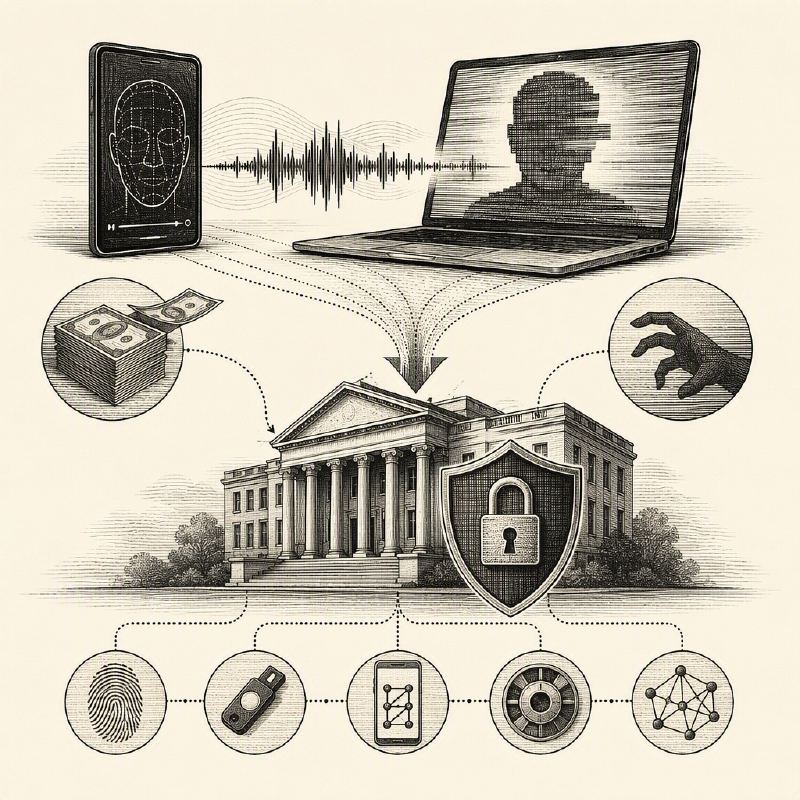
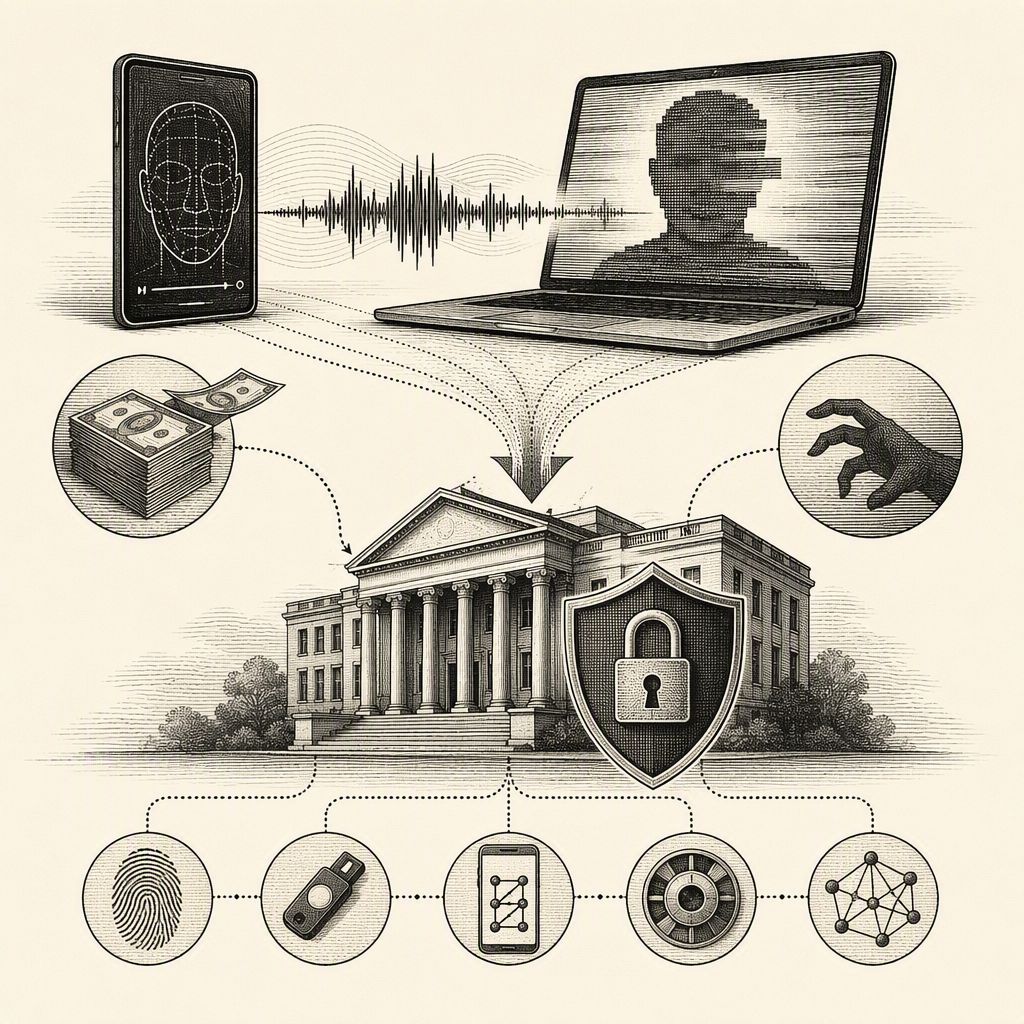
The financial sector is facing a new wave of account takeovers, not through traditional hacking, but by criminals leveraging advanced AI-powered deepfakes to impersonate banks and their customers. Paul Benda, executive vice president for risk, fraud, and cybersecurity at the American Bankers Association, highlighted that these scams, which exploit customer trust through convincing audio and video manipulation, are now the primary driver of unauthorized account access.
These AI-driven impersonation tactics allow fraudsters to bypass existing security measures by tricking customers into authenticating themselves and then authorizing fraudulent transactions. The sophistication of these deepfakes means that even voice-based authentication, once considered a robust security layer, is becoming increasingly vulnerable. Criminals can use cloned voices or synthesized audio to mimic legitimate bank representatives or even the customer themselves, creating a convincing scenario for fund transfers.
In response to this evolving threat landscape, banks are being urged to move beyond single-factor or even multi-factor authentication methods that rely heavily on user interaction that can be socially engineered. The ABA emphasizes the need for a multi-layered approach, incorporating continuous risk scoring that analyzes various data points such as IP address, VPN usage, and device consistency. This allows for a more dynamic assessment of a user's legitimacy.
While passkeys offer a promising solution to reduce phishing risks by providing a more secure login method, Benda noted that banks must also consider customers who do not own smartphones or cannot utilize this technology. Providing alternative, secure login options that are resistant to deepfake manipulation is crucial for maintaining accessibility without compromising security.
The challenge for cyber and fraud teams remains significant, despite years of discussion about integrated 'fusion centers.' The ability for criminals to effectively use stolen personal data to impersonate financial institutions and harvest one-time passcodes underscores the need for better information sharing and collaborative defense strategies. This also fuels the persistent problem of synthetic identity fraud, where fabricated identities are used to open accounts and facilitate illicit activities.
Benda's background, including his work at DARPA and the Homeland Security Advanced Research Projects Agency, provides a unique perspective on the strategic challenges of cybersecurity. His insights suggest that the industry must adopt a proactive and adaptive stance, continuously updating security protocols and investing in technologies that can detect and counter AI-generated threats.
The ABA's call to action points towards a future where bank security relies on a combination of advanced technological defenses and robust collaboration. This includes enhanced cyber-fraud intelligence sharing among institutions and a deeper understanding of how emerging technologies like AI can be both a tool for criminals and a shield for defenders. The ultimate goal is to protect customers from increasingly sophisticated scams that exploit trust and manipulate perception.
As AI capabilities continue to advance, the financial industry must remain vigilant, investing in research and development to stay ahead of emerging threats. The shift from direct system breaches to customer-enabled fraud through AI manipulation represents a fundamental change in the threat landscape, requiring a corresponding evolution in security strategies and customer education.