
AI Coding Tools Emerge as Prime Target for Sophisticated Supply Chain Attacks
Google warns that threat actors are increasingly targeting AI-assisted coding tools, introducing a new vector for software supply chain compromises.
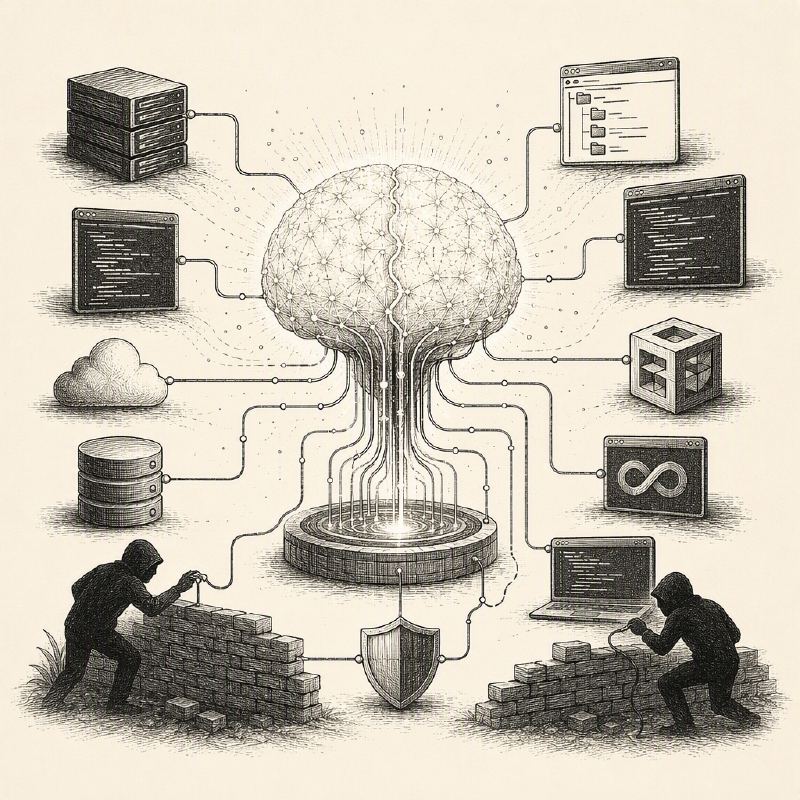
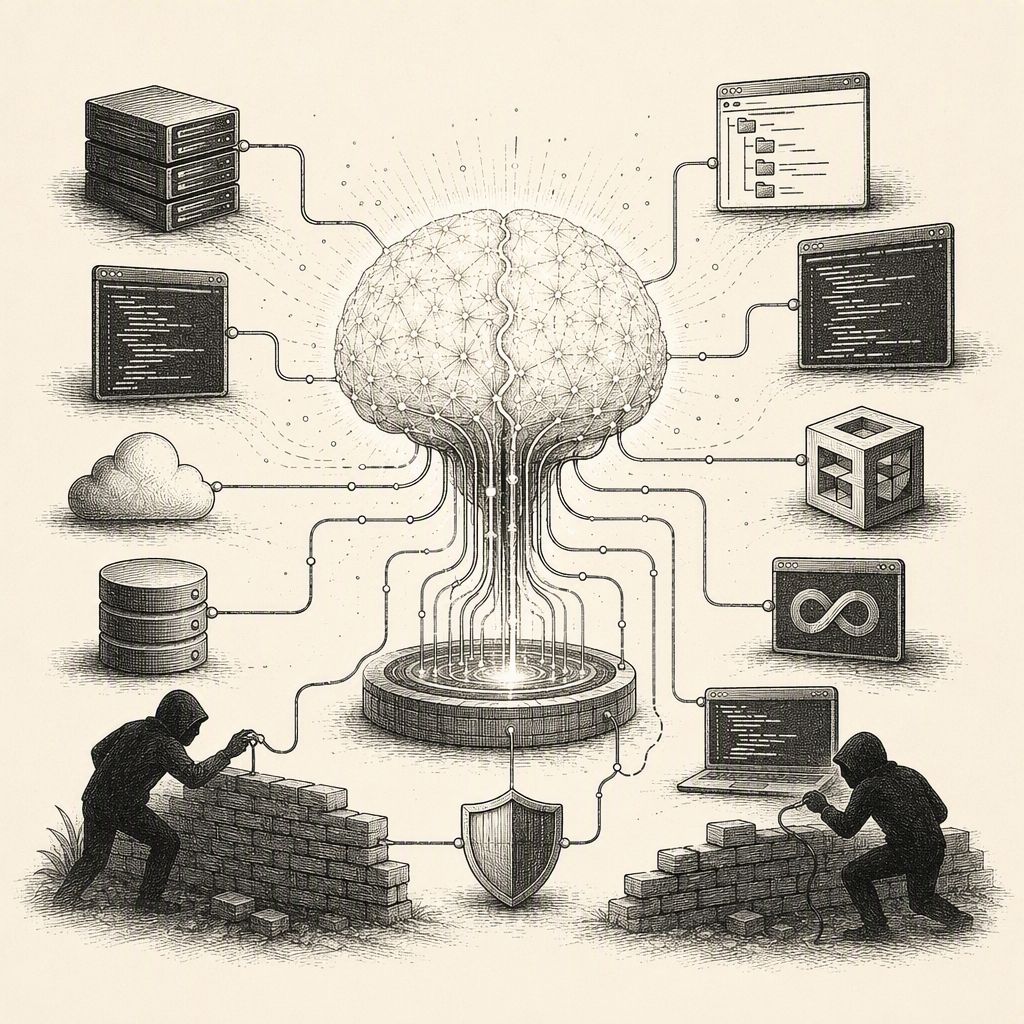
The rapid integration of AI-assisted coding tools into software development workflows has created a new and significant target for malicious actors, according to a recent warning from Google Threat Intelligence Group (GTIG). This shift represents a concerning evolution in software supply chain attacks, as threat actors are now leveraging the very tools designed to accelerate and improve coding processes to introduce vulnerabilities and malicious code.
GTIG researchers noted that the widespread adoption of large language models (LLMs) and associated AI tools has led to an increase in the quantity of open-source resources dedicated to AI use cases, such as model context protocol (MCP) servers. This expansion of the AI ecosystem provides a larger attack surface. Furthermore, the accelerated pace of software development enabled by AI assistants may be contributing to reduced scrutiny of third-party packages and dependencies, making it easier for malicious code to slip through the cracks.
A financially-motivated threat actor, tracked as UNC6780, has been actively exploiting these vulnerabilities. The group has conducted large-scale compromises targeting popular ecosystems like PyPI, npm, and Docker Hub. Their primary method involves targeting AI environments and software dependencies for initial access, using their Dustmaker credential stealer malware. This malware is capable of extracting sensitive tokens from GitHub Actions runners, allowing UNC6780 to publish compromised packages that might otherwise pass automated AI coding trust checks.
Dustmaker also employs stealthier tactics, such as dropping or modifying malicious files within hidden project workspace directories for AI coding assistants. This technique allows the malware to blend in with the typical "noise" of developer activity, evading detection. Following initial access, UNC6780 has been observed collecting credentials for various AI tools, which are then sold to other cybercriminal groups. GTIG warns that the publicity and apparent success of UNC6780's tactics will likely encourage other adversaries to emulate them.
Beyond compromising development tools, threat actors are also increasingly targeting proprietary AI research and models themselves. This includes nation-state actors like UNC6508, which is focused on stealing AI research from academic, medical, and military institutions in North America. Data extortion gangs are also active, stealing AI models, prompts, and source code, and threatening public release if ransoms are not paid.
Threat actors are also actively experimenting with AI tools throughout their attack lifecycles, moving beyond simple malware development. Examples include attempts to build automated pentesting frameworks using AI agents, and the creation of autonomous, multi-agent attack frameworks capable of planning, building, and executing credential harvesting campaigns in mere hours.
John Hultquist, chief analyst at GTIG, emphasized the pervasive nature of AI in threat actor operations, stating, "At this point, we can assume that all threat actors are using AI in some capacity and their operations have benefited." He expressed concern about the vulnerability problem and the challenges posed by AI applied agentically, which can create a scaled and faster adversary. Criminals, he noted, will gravitate towards attacks that outpace defenders' response capabilities.
The findings highlight a critical juncture in cybersecurity, where the very tools designed to advance technology are being weaponized. Organizations must adapt their security strategies to account for these new vectors, focusing on securing AI development pipelines, scrutinizing dependencies, and enhancing detection capabilities against AI-driven threats.