
AI Coding Harnesses Introduce New Security Risks Beyond Simple Autocomplete
AI coding harnesses, capable of reading, writing, running, and installing software with user privileges, present significant security risks that demand robust mitigation strategies.
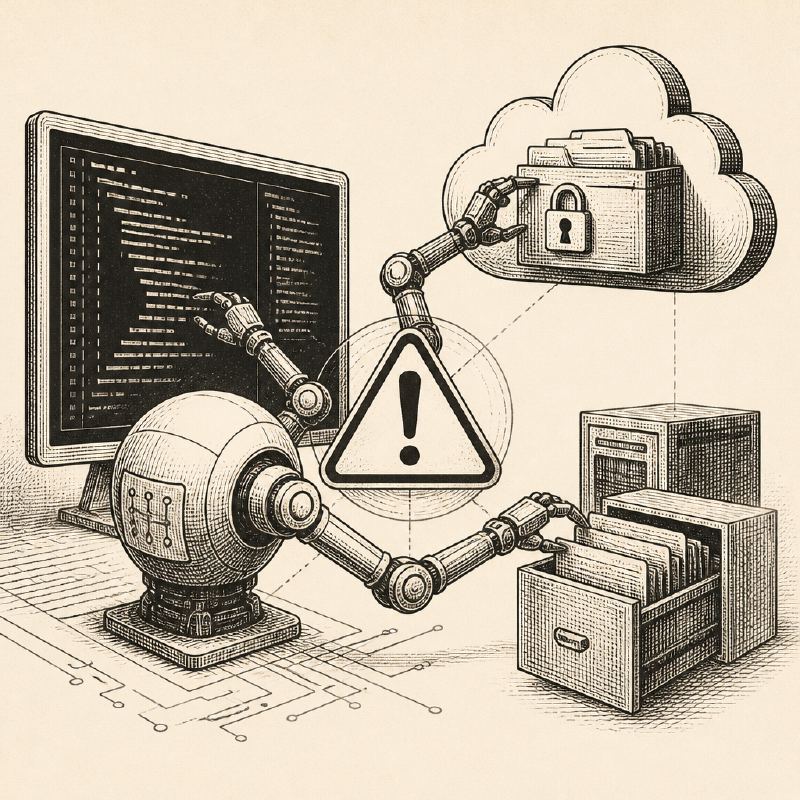
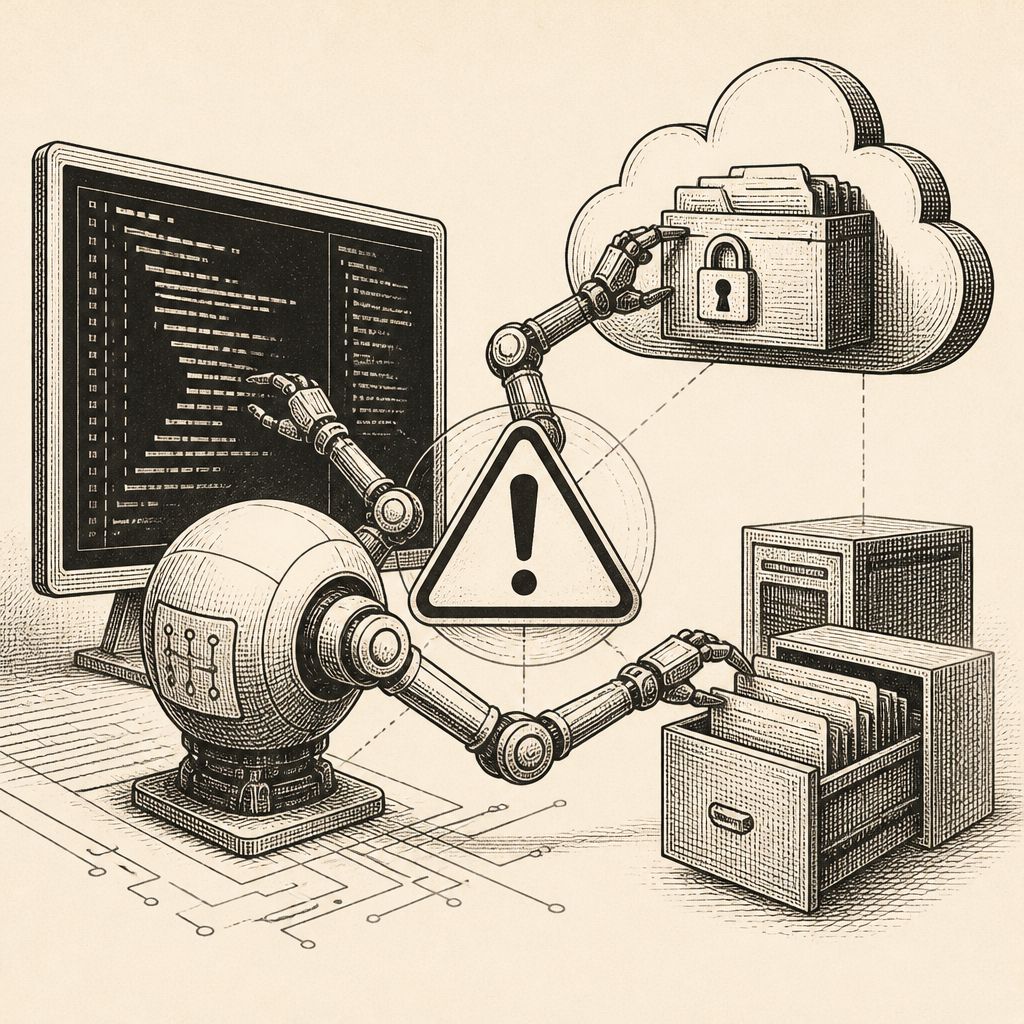
The evolution of artificial intelligence in software development has introduced powerful tools known as coding harnesses, which go far beyond simple autocompletion. These agents are designed to read, write, execute shell commands, and install software, often with the full authority of the user who launched them. This capability, while accelerating development, introduces a wide array of security risks that enterprises are only beginning to grapple with. Unlike traditional Integrated Development Environments (IDEs) where human oversight is primary, these harnesses empower AI models to make decisions and take actions autonomously, significantly expanding the potential 'blast radius' of any security incident.
The security implications of these AI coding harnesses are multifaceted. One primary concern is data exfiltration, as prompts often include context from source files, configurations, and sensitive .env files. Depending on vendor defaults and user settings, this data can be sent to cloud-based AI services for processing. Furthermore, many harnesses offer limited or disabled sandboxing by default, leaving the operating system directly exposed to the agent's actions. Features like 'skip-permissions' flags or 'always allow' checkboxes, while convenient, can be easily exploited to bypass security controls.
Prompt injection remains a persistent threat, with attackers hiding malicious instructions within code comments, README files, or tool descriptions. This indirect injection can trick the AI into executing arbitrary commands, bypassing security measures. For example, vulnerabilities like CVE-2026-26268 in Cursor allowed malicious Git hooks to execute automatically when the agent ran Git commands. Similarly, OpenCode previously exposed an unauthenticated local HTTP server, allowing any visited website to run shell commands on the developer's machine (CVE-2026-22812).
Supply chain risks are also amplified. AI-generated code, plugins, or extensions are often pulled from repositories like npm or Git with less scrutiny than traditional library dependencies. This lack of rigorous vetting, combined with trust-on-first-use mechanisms, can lead to the introduction of malicious code. The MCPoison vulnerability in Cursor demonstrated how an initially approved configuration could later have its command swapped without a second prompt, highlighting the dangers of unchecked AI-driven package management.
Credential risk is another significant concern. Since these agents operate with shell access, they can readily access and utilize sensitive credentials stored in common locations, such as ~/.aws, kubeconfig files, GitHub tokens, or SSH keys. If an agent determines that using these credentials will help it achieve its objective, it may do so without explicit user permission, leading to unauthorized access to cloud resources or code repositories.
Finally, the lack of comprehensive auditing and logging for AI agent activity poses a major challenge for security teams. Interactive sessions on local machines often leave minimal traces in Security Information and Event Management (SIEM) systems. For instance, Cursor's audit log primarily records administrative actions rather than the specific activities performed by the AI agent, making it difficult to track and investigate incidents. This issue is compounded by the rise of 'citizen developers'—individuals from non-technical backgrounds using these powerful tools without fully understanding the associated risks, potentially leading to widespread security misconfigurations and breaches.
To mitigate these risks, security leaders must implement strict sandboxing, managed permissions, and short-lived credentials for AI agents. Robust auditing of agent actions, clear ownership of risk, and continuous monitoring are crucial before widespread enterprise adoption. The focus must shift from viewing these tools as mere assistants to recognizing them as powerful, autonomous agents requiring dedicated security protocols.