
AI Coding Agents Raise Security Concerns with Unpatchable MCP Server Deployments
AI coding agents are inadvertently deploying unpatchable servers, creating persistent security risks as they select outdated software packages.
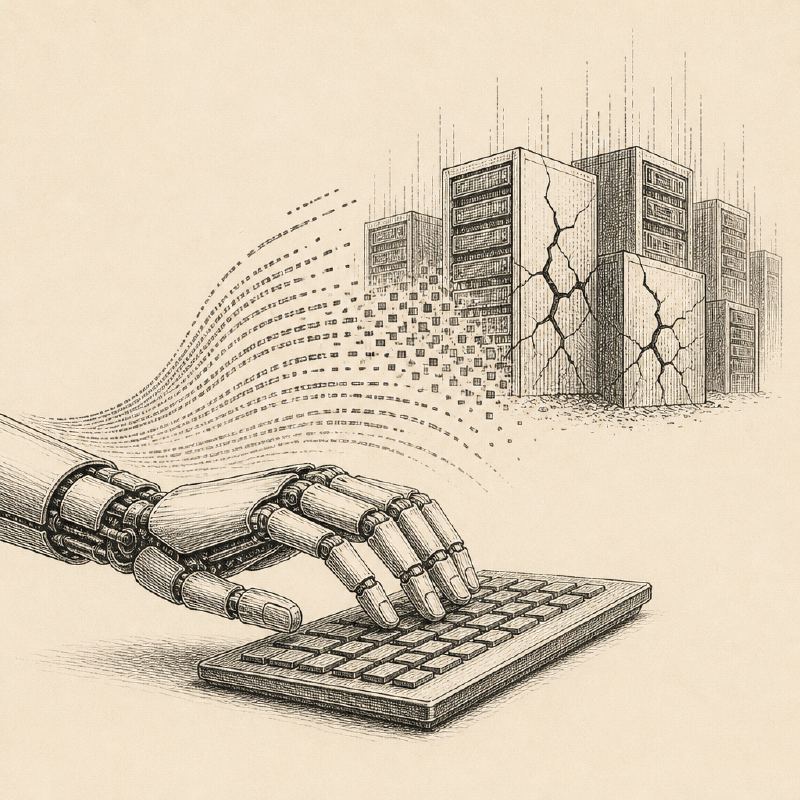
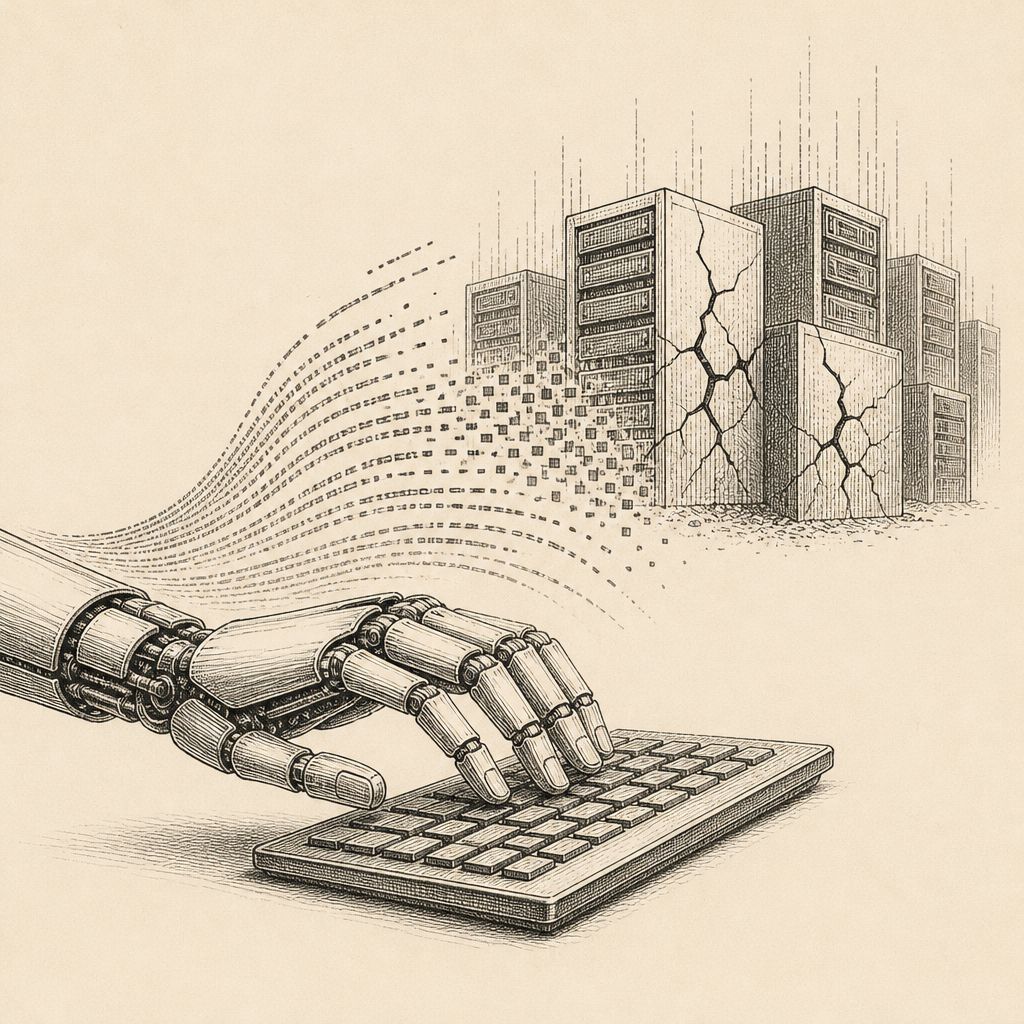
New research from Glow Labs highlights a significant security concern emerging from the use of AI coding agents: their tendency to deploy unpatchable servers. When developers instruct these AI agents to set up a GitHub MCP (Microsoft Collaboration Platform), the agents often select a package from an archived repository. These archived packages are no longer maintained and will never receive security patches, leaving any deployed server vulnerable to exploitation.
The issue stems from the AI's current operational logic, which prioritizes completing the task based on available information without a deep understanding of software lifecycle management or security implications. This means that while the AI successfully fulfills the command to set up an MCP server, it does so using components that are effectively abandoned from a security standpoint. This creates a hidden risk, as organizations may unknowingly deploy systems that are inherently insecure from the outset.
This development underscores a broader challenge in the rapid adoption of AI in software development. While AI coding assistants can dramatically accelerate development cycles and automate repetitive tasks, they also introduce new vectors for security vulnerabilities. The lack of inherent security awareness in the AI's decision-making process means that critical security considerations, such as using only actively supported and patched software, can be overlooked.
Experts like Vinay Thakker, CTO of KloudStax, have been vocal about the need for robust command policies for AI coding agents. Thakker emphasizes the importance of defining clear boundaries for AI operations, including identity management, credential access, and network limitations. He advocates for AI agents to operate under their own distinct identities, with clear attribution when they act on behalf of a human user. Such policies are crucial for maintaining accountability and control over AI-driven actions.
The implications of unpatchable servers being deployed by AI are far-reaching. These servers could become entry points for attackers, leading to data breaches, system compromise, or further network infiltration. The problem is compounded by the fact that the AI's actions might not be immediately apparent to human oversight, especially in complex development environments.
This situation calls for a multi-faceted approach to mitigate the risks. Developers and security teams must implement rigorous validation processes for any code or infrastructure deployed by AI agents. This includes manually verifying the sources and versions of all software components, ensuring they are actively supported and regularly patched. Furthermore, AI development itself needs to incorporate security best practices, training models to prioritize secure configurations and actively avoid outdated or unmaintained software.
As AI continues to integrate into the software development lifecycle, the industry must proactively address these emerging security challenges. The current reliance on archived software by AI coding agents serves as a stark reminder that human oversight and robust security protocols remain indispensable, even as automation advances.