
AI Coding Agents Accelerate Secrets Sprawl, Doubling Credential Exposure Rates
AI-assisted code commits are exposing sensitive credentials at twice the rate of human-written code, according to GitGuardian's latest report, escalating the challenge of secrets sprawl.
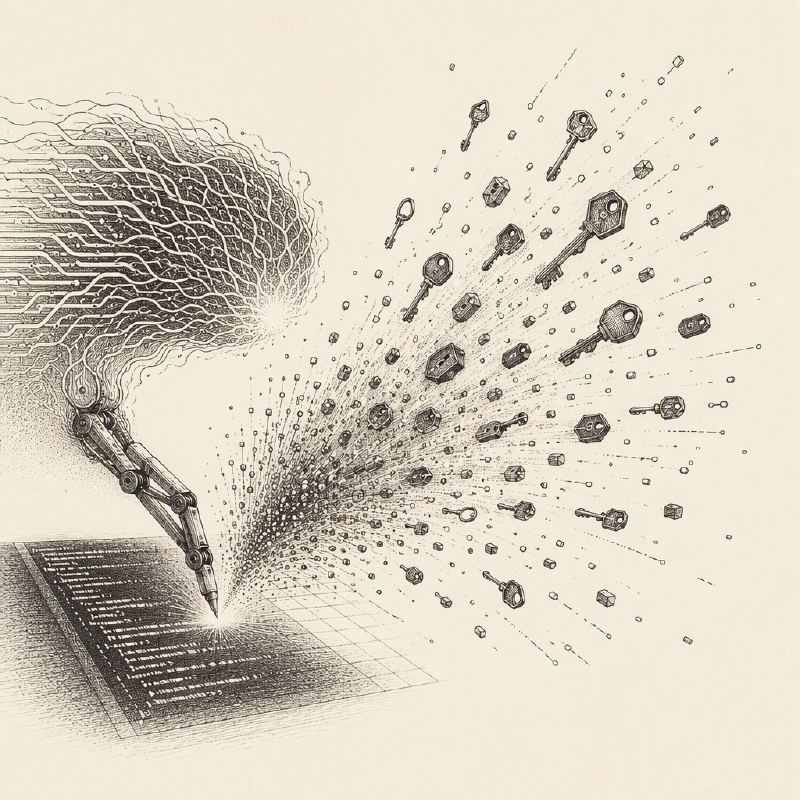
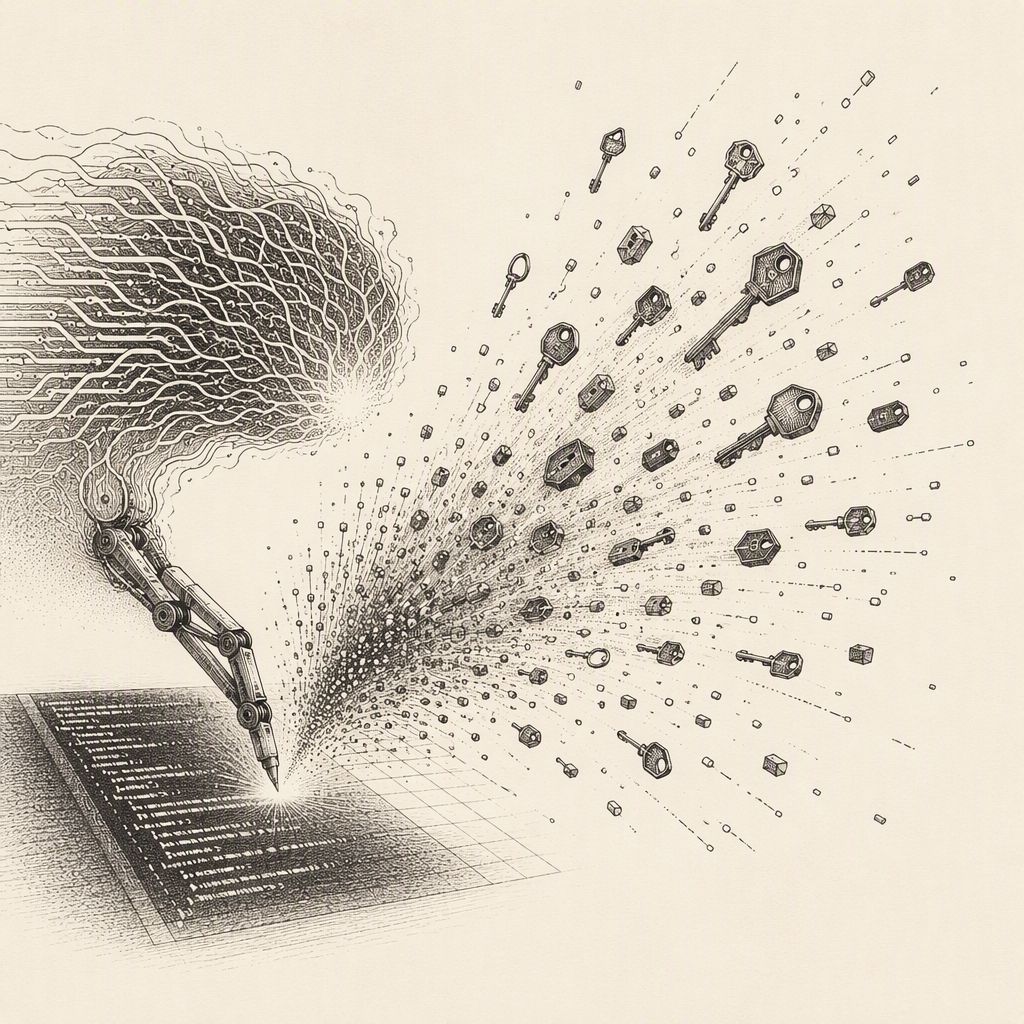
The rapid integration of AI coding agents into software development workflows is inadvertently creating a significant new vector for credential exposure, according to GitGuardian's 2026 State of Secrets Sprawl Report. These AI-assisted commits are now leaking secrets at approximately twice the rate of code written solely by humans. This surge is particularly concerning as the fastest-growing categories of leaked credentials are increasingly linked to AI services themselves, turning tools designed to accelerate development into accelerators of security risk.
While the fundamental problem of secrets sprawl—the uncontrolled accumulation and exposure of sensitive information like API keys and tokens—is not new, AI agents are dramatically amplifying its scale and pace. Unlike traditional development environments where secrets might be hardcoded or accidentally committed, AI agents can autonomously interact with entire projects, modify files, generate configurations, and communicate with external services at speeds far exceeding human capabilities. This autonomous operation means that credentials, even those not intended for broad access, can be inadvertently exposed or duplicated across more systems than security teams can effectively track and manage.
The report frames this evolving challenge as a Non-Human Identity (NHI) problem, emphasizing that every action taken by an AI agent is backed by an identity and its associated credentials. Organizations must shift their focus from solely monitoring AI behavior to rigorously controlling the permissions and access granted to these non-human identities. While predicting every action an autonomous system might take is impossible, organizations can and must manage what these identities are authorized to access, thereby limiting the potential blast radius of any credential exposure.
Several specific mechanisms highlight how AI coding agents contribute to this problem. Firstly, agents often require broad access to project context to provide meaningful assistance. This can lead to them accessing sensitive files, such as local .env files containing production API keys, which were never intended for source control but are still part of the agent's operational environment. This fundamentally alters the security assumptions around developer workstations, making local plaintext credentials accessible to software agents.
Secondly, the configuration files for AI agents and their associated Model Context Protocol (MCP) servers frequently contain hardcoded credentials. To simplify integration with databases, APIs, and other services, developers may paste authentication details directly into these configuration files. While these files might not enter version control, they can still reside in plaintext on developer machines, potentially within the reach of the AI agent itself.
Thirdly, secrets are often duplicated across various platforms, including code repositories, CI/CD pipelines, and collaboration tools like Jira tickets. AI agents interacting with these diverse systems introduce another layer of risk. Rotating a secret in one location may not mitigate the exposure if identical, still-valid credentials exist elsewhere. This underscores the inadequacy of relying solely on repository scanning, as many secret incidents can originate from outside code repositories entirely.
Finally, AI agent credentials are often over-permissioned. To ensure agents can perform their tasks without interruption, security teams may grant broad access, especially during initial prototyping phases. These permissions, often granted with temporary intentions, can persist into production workflows without review. In multi-agent systems, an orchestration layer holding keys for several agents can create a cascading risk, where a compromise of the orchestrator grants attackers access to a wide array of resources.
The implications of this escalating secrets sprawl are significant, potentially leading to widespread credential compromise, unauthorized access to sensitive data, and increased attack surface for organizations. As AI agents become more sophisticated and integrated into critical development pipelines, robust identity and access management strategies, coupled with continuous monitoring and strict data access controls, will be paramount to mitigating these emerging risks.