
AI Chat Logs Increasingly Used as Evidence in Court Cases
Conversations with AI chatbots like ChatGPT and Claude are being admitted as evidence in legal proceedings, raising privacy concerns for users.
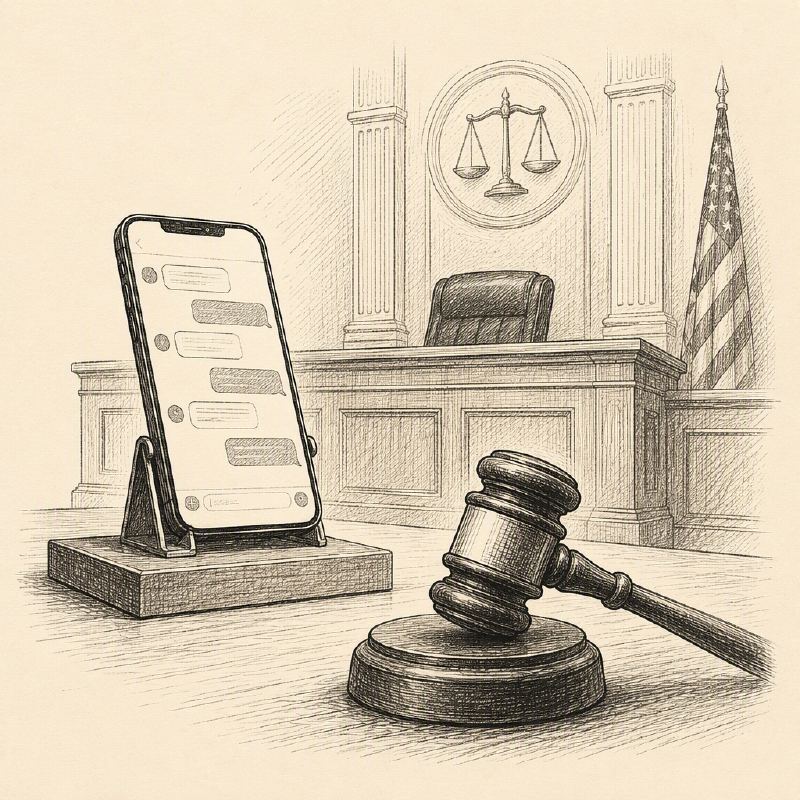
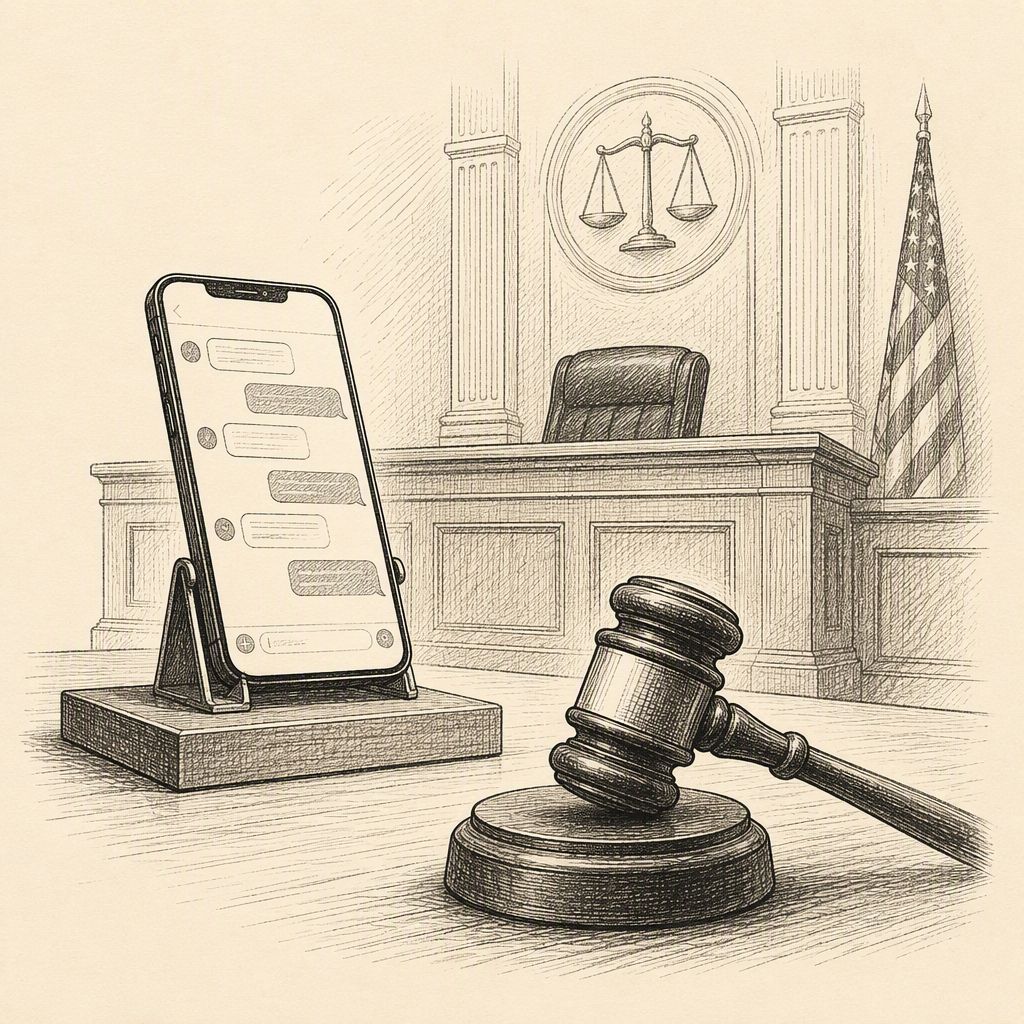
Conversations users have with artificial intelligence chatbots, such as OpenAI's ChatGPT and Anthropic's Claude, are increasingly surfacing as evidence in court cases. This trend highlights a significant privacy blind spot, as these AI interactions often lack the legal protections afforded to attorney-client or doctor-patient communications.
Prosecutors and opposing legal counsel are actively seeking and obtaining these chat logs. A report from The Washington Post identified chatbot conversations cited in at least 12 court cases over the past two years. This indicates a growing reliance on AI interactions as a source of information for legal discovery and evidence presentation.
OpenAI, the creator of ChatGPT, reported a substantial increase in data disclosures to law enforcement. In the latter half of 2025 alone, the company disclosed the content of over 80 user accounts, a figure more than four times higher than in the preceding six-month period. This surge underscores the growing volume of user data being accessed by authorities.
Users may inadvertently provide sensitive information to AI systems, sometimes in moments of panic or seeking advice. One documented case involved a university student who confessed to damaging cars via ChatGPT, later handing over his phone to police for a search. Similarly, a teenager involved in a lawsuit against social media companies had their ChatGPT history brought into discovery.
Even deleting conversations does not guarantee privacy. In a lawsuit filed by The New York Times against OpenAI concerning the use of its content for training data, a judge ordered OpenAI to preserve chat logs, including those users had requested to be erased. This order compelled OpenAI to retain data despite its own privacy policies and GDPR/California privacy law commitments.
AI companies also proactively share data with law enforcement. OpenAI's policy permits its reviewers to report conversations to authorities if they detect an "imminent and credible risk of harm to others." An instance was reported where OpenAI contacted police after a user repeatedly described plans to harm an ex-girlfriend.
This practice aligns with a broader trend of technology companies sharing user data with legal entities. Google, Meta, and Apple, for example, shared details from millions of US user accounts between 2014 and 2024. The legal pursuit of data from emerging technologies, like Amazon Echo recordings in a murder investigation, demonstrates a consistent pattern.
Users are advised to treat all AI chatbot conversations as potentially disclosable records. These interactions should not be considered private or confidential. If a topic is sensitive enough to warrant discussion with a doctor or lawyer, it should be directed to those professionals, not an AI, as AI chats lack established legal privileges.