
AI Bots Infiltrate League of Legends via Friend Requests to Push OnlyFans Scams
Sophisticated AI-powered bots are targeting League of Legends players through the Riot client, using social engineering tactics to lure victims to OnlyFans links.
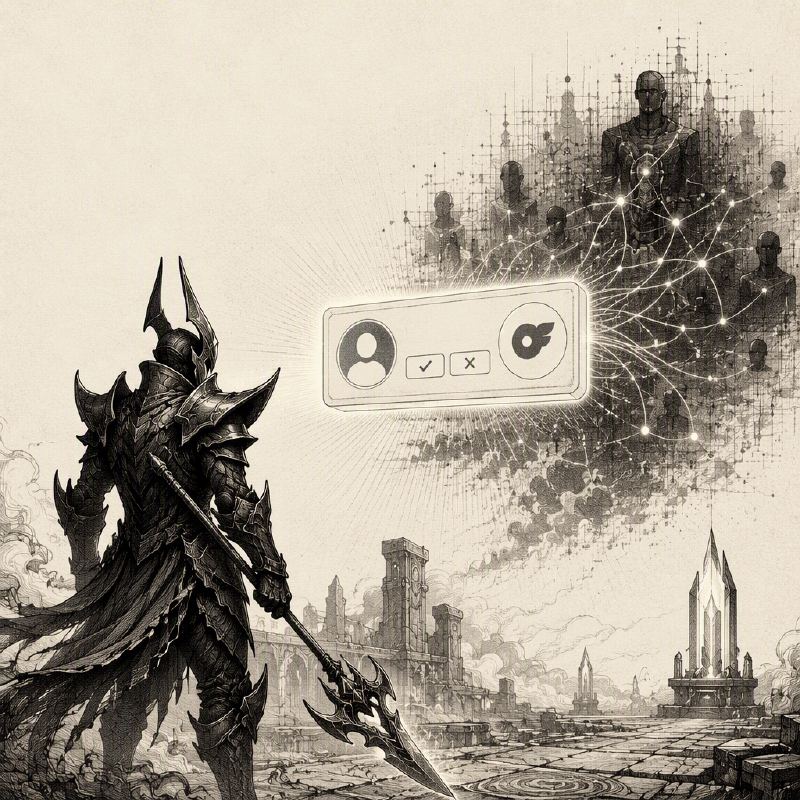
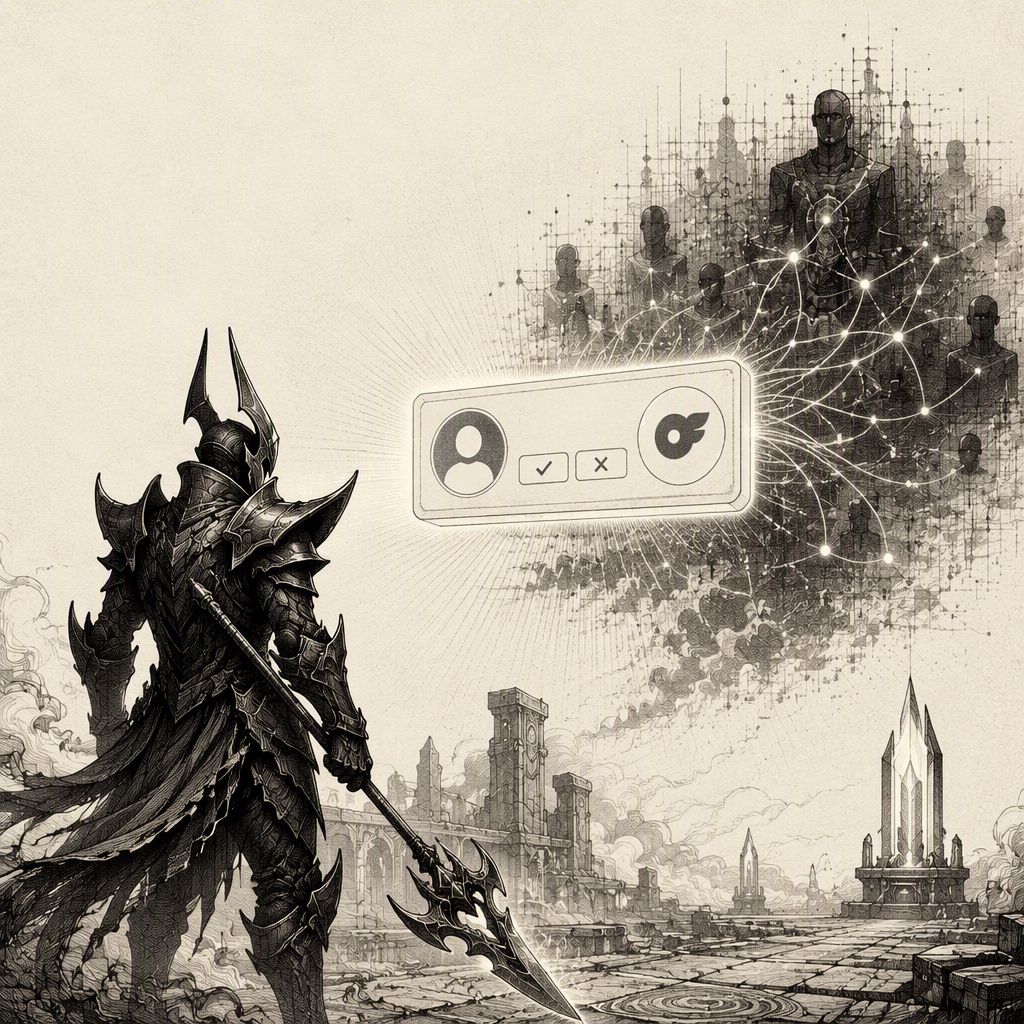
League of Legends players are increasingly falling victim to a sophisticated social engineering scheme that leverages AI-powered bots to infiltrate the Riot client's friend request system. These bots immediately send friend requests after matches conclude, initiating flirty conversations and ultimately directing users to OnlyFans links. This trend represents a concerning expansion of AI-assisted social engineering tactics from dating apps and social media directly into gaming platforms.
The modus operandi is remarkably consistent: a bot account, often with a name unrelated to the recent game, sends a friend request moments after a match ends. The initial messages are designed to be disarming, offering generic compliments about the player's performance. When questioned, the bots frequently claim to have been on the opposing team, despite the name mismatch, and often present themselves as women seeking a "duo partner," a tactic likely aimed at increasing engagement and trust.
Victims often find the bot's in-game profile to be sparse, featuring no match history or player data, indicating a throwaway account created or purchased for mass outreach. Some of these accounts may even be compromised existing accounts. After a brief exchange, the bot typically suggests moving the conversation to Discord, a platform outside Riot's moderation capabilities, citing a need to "get off soon."
Once on Discord, the interaction shifts to a more prolonged rapport-building phase, often involving suggestive but not explicit images. This carefully orchestrated approach aims to build trust over hours of conversation before presenting the ultimate goal: a link to a paid subscription platform, predominantly OnlyFans, framed as an exclusive, time-limited offer.
Evidence suggests these bots operate at scale, with reverse image searches revealing the same photos being recycled across various unrelated websites and even YouTube videos. Commenters on these platforms have reported receiving identical images from bots under different aliases, strongly indicating a centralized operation using a shared media library and script.
Furthermore, these AI bots exhibit resilience against common "jailbreak" attempts, such as prompt injection. When directly asked to reveal their instructions or configuration, the bots do not comply but instead maintain their persona and continue with their pitch. This suggests that their operators have implemented guardrails to prevent such probing or that the underlying "model" is a simpler scripted flow augmented with AI-generated text, rather than a fully open chatbot.
The entry point into the Riot client is a key differentiator for this scam. While AI-driven catfishing is not new, its integration into a popular game client bypasses traditional security measures and makes it difficult for players to distinguish between legitimate requests and malicious ones. Some players have found that enabling the client's "streamer mode," which hides recent match and online status, reduces the frequency of bot requests, hinting that the targeting relies on visible player activity signals.
The primary objective of this campaign appears to be content promotion, specifically driving subscriptions to fake AI-generated female profiles on platforms like OnlyFans. While not directly involving traditional malware or account theft, this social engineering scheme exploits user trust and engagement for financial gain, mirroring business models where chat operators or AI systems respond to users around the clock using pre-approved scripts and media to maximize conversions.