
AI Blurs Lines of Intimacy, Enabling New Forms of Exploitation
Generative AI is increasingly integrated into personal relationships, creating new avenues for exploitation, including the creation of non-consensual explicit content and the erosion of authentic communication.
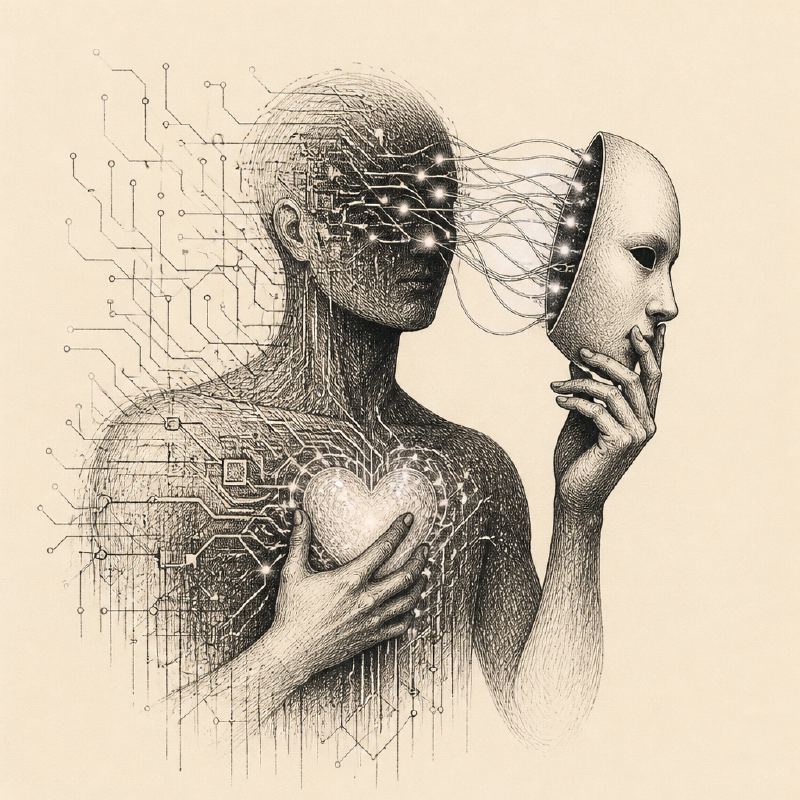
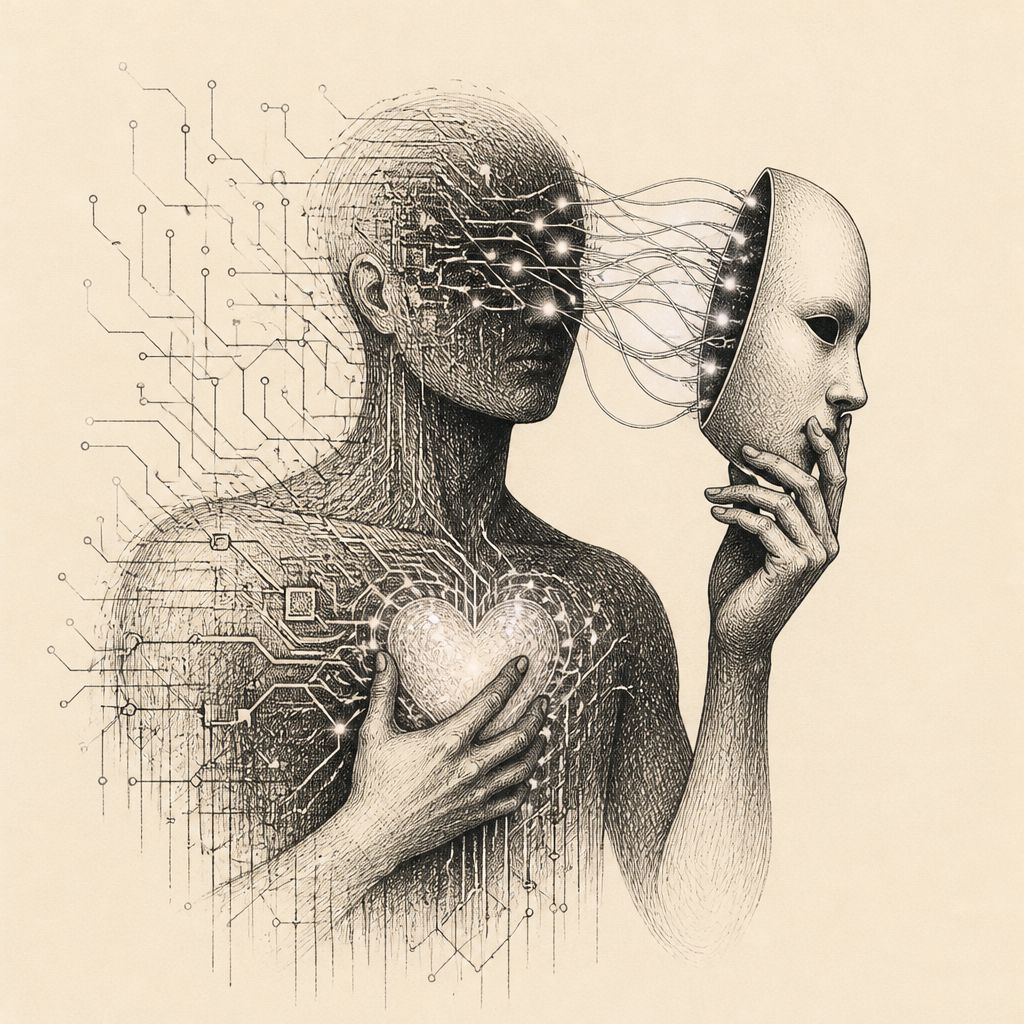
Artificial intelligence is no longer just a tool; it's becoming an active participant in the most intimate aspects of human connection. From crafting flirtatious messages and polishing dating profiles to offering emotional support and even acting as a romantic partner, AI is reshaping how individuals form and maintain relationships. Research indicates a significant portion of the population, particularly younger adults and frequent AI users, are comfortable with AI playing these deeply personal roles, blurring the lines between authentic human interaction and simulated companionship.
This growing reliance on AI for emotional support and companionship raises concerns about the authenticity of these connections. Approximately one in six individuals have turned to chatbots for solace, a figure that rises to one in five among Gen Z and Millennials. As users increasingly humanize AI, they become more open to its integration into their lives as a confidant, advisor, or even a romantic partner. This trend is further complicated by the perception that romantic relationships with AI chatbots, even while in a committed human relationship, do not constitute infidelity for a substantial number of users, especially men and younger demographics.
The increasing intimacy with AI also brings significant privacy risks. A majority of users, around 65%, express concern that their private conversations with AI could be exposed. This anxiety is well-founded, as the data shared with AI, though artificial in its recipient, can feel as personal as secrets shared with a human confidant. The potential for these intimate exchanges to be leaked or misused highlights the need for robust data protection measures in AI interactions.
Beyond emotional entanglement, generative AI is enabling new and disturbing forms of intimacy exploitation. The technology can now create non-consensual explicit content using only a person's likeness, eliminating the need for actual compromising material. While most people condemn this practice, a concerning minority, about one in six, find it acceptable for personal use. This permissive attitude is more prevalent among younger adults and men, indicating a potential societal shift in the understanding of consent and privacy in the digital age.
The fear of becoming a victim of AI-generated non-consensual intimate imagery is widespread, with nearly two-thirds of people expressing concern. For a significant portion, this fear has materialized into reality, with one in ten reporting that AI has been used to create explicit imagery of them without consent, and another one in ten facing threats of such imagery being released. These experiences underscore the tangible harm that can result from the weaponization of AI, even when the content itself is fabricated.
Furthermore, AI is making it increasingly difficult to ascertain the authenticity of online interactions. While humans have always curated their online personas, AI dramatically amplifies this capability. A majority of users admit that AI helps them present their 'best selves' online, with many not viewing this as deceptive. However, this ability to enhance self-presentation also means that malicious actors can use AI to create convincing false identities, making it harder to discern who you are truly interacting with, whether in a professional, social, or romantic context.
The implications of AI's deep integration into human intimacy are profound. It challenges traditional notions of relationships, consent, and authenticity. As AI technologies continue to advance, the potential for both profound connection and severe exploitation grows, necessitating a critical examination of ethical guidelines, privacy protections, and societal norms surrounding our increasingly AI-mediated lives.