
AI-Assisted Tool Validates Satellite System Security Post-Russian Cyberattack
Viasat's satellite communication systems are undergoing security validation using Atalanta's new AI-assisted tool, Argo, following a disruptive 2022 Russian cyberattack.
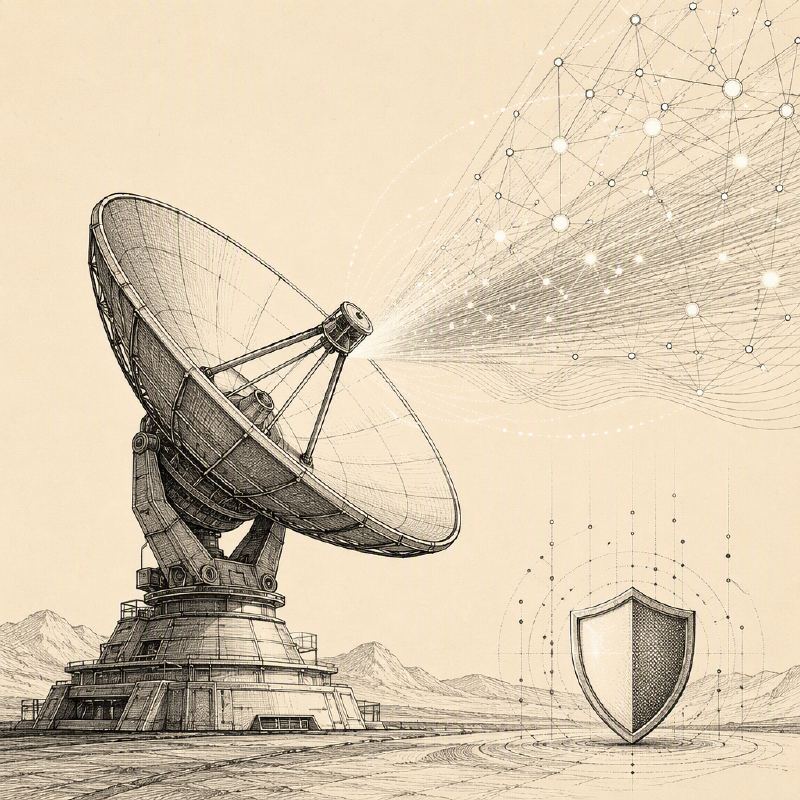
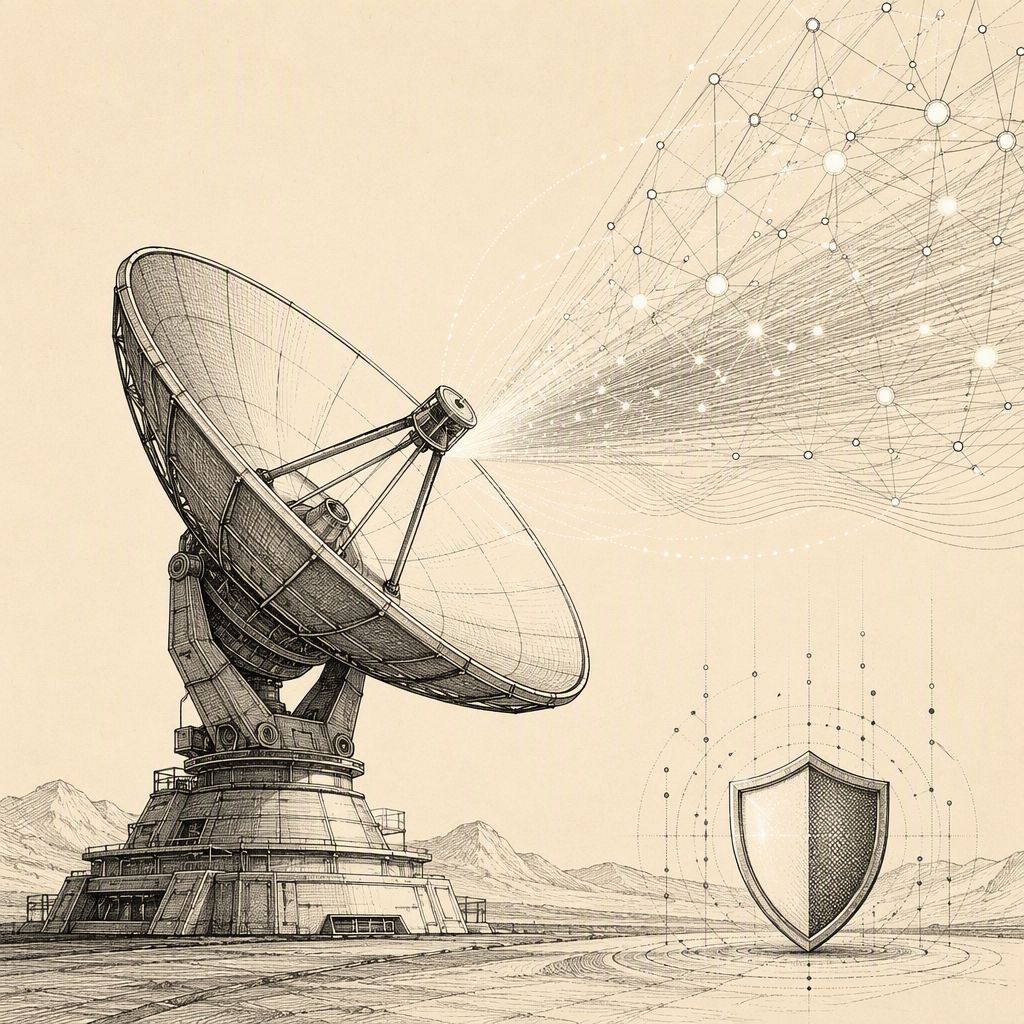
In the wake of a significant 2022 Russian cyberattack that crippled thousands of satellite modems across Ukraine and Europe, Viasat's satellite communication systems are now being rigorously tested for resilience. The company is employing Atalanta's new AI-assisted product, Argo, to validate the security of its network against emerging threats, particularly from continued Russian aggression and recent Iranian cyber activities targeting critical infrastructure.
Atalanta's Argo technology represents a novel approach to cybersecurity, leveraging what the company terms "software understanding." This methodology combines advanced mathematics with artificial intelligence to create a system capable of comprehensively analyzing software and internet-connected systems for vulnerabilities. This marks a significant advancement in the ongoing effort to defend critical systems in the complex landscape of modern cyberwarfare.
The urgency for such tools has been underscored by recent events, including Iranian hackers targeting water and wastewater systems. Atalanta CEO and co-founder Anjana Rajan emphasized the evolving threat landscape, stating, "The tools and techniques of yesterday do not scale for today and ‘software understanding’ is going to be the path forward for anyone building a system of consequence for the United States."
Nick Saunders, Viasat's chief of cyber strategy, highlighted the dual benefit of Atalanta's technology. Not only does it fortify the Viasat network against future attacks, but it also provides mathematical proof of its enhanced resilience. "We have built over the past year, working with Atalanta… a capability where we can start to develop an understanding of how our systems are more resilient against attacks," Saunders explained.
Beyond its application in securing Viasat's network, Atalanta's technology is also being utilized in the Department of Energy's Genesis Mission, which aims to develop autonomous nuclear reactors. This demonstrates the broad applicability of the AI-driven security validation approach across highly sensitive and critical national security projects.
Greg Shannon, chief cybersecurity scientist at the Idaho National Laboratory, anticipates that this type of AI-assisted security testing will become a standard practice. "In a decade or two, I would expect it to be just part of the standard development tool kits," Shannon commented, noting that such advancements are the culmination of decades of investment by agencies like DARPA.
Indeed, the Defense Advanced Research Project Agency (DARPA) has invested billions over the past two decades in advancing formal methods and related technologies. These investments have laid the groundwork for commercial systems like Argo to emerge and address pressing cybersecurity challenges. Shannon noted that DARPA's investment in this area has exceeded $2 billion.
Emil Michael, the Pentagon's former chief technology officer, previously expressed strong support for the mathematical underpinnings of Atalanta's technology, envisioning it as the future standard for the Department of Defense's cybersecurity efforts. This endorsement from high levels of government underscores the strategic importance of AI-driven security validation for critical infrastructure and national defense.