
AI AppSec Tools Show Low Agreement on Security Findings, Report Finds
A new report indicates that AI-powered application security tools agree on only 5% of identified security findings, while adversaries probe average applications every four minutes.
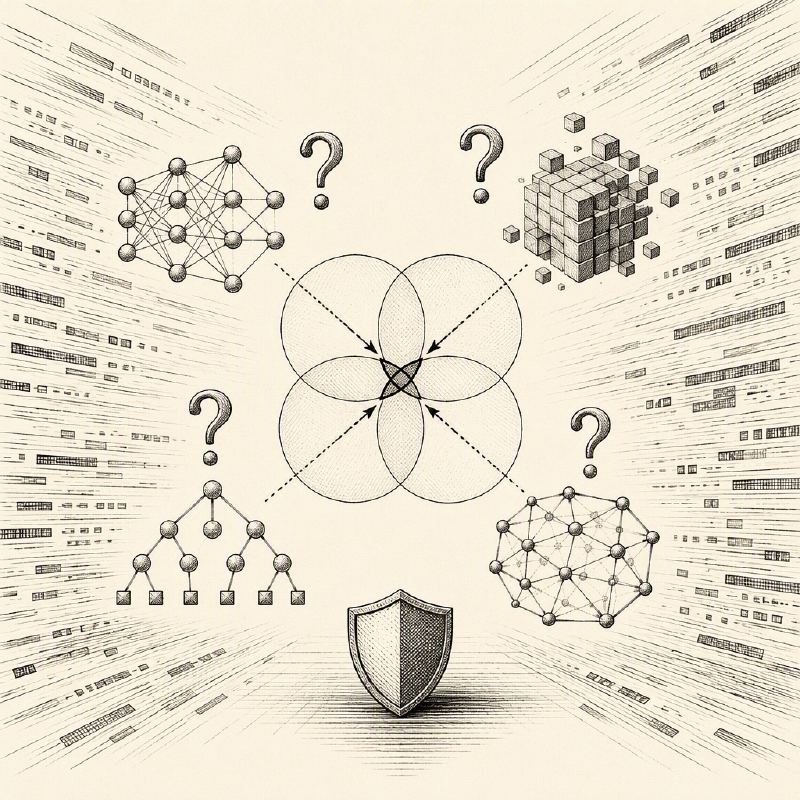
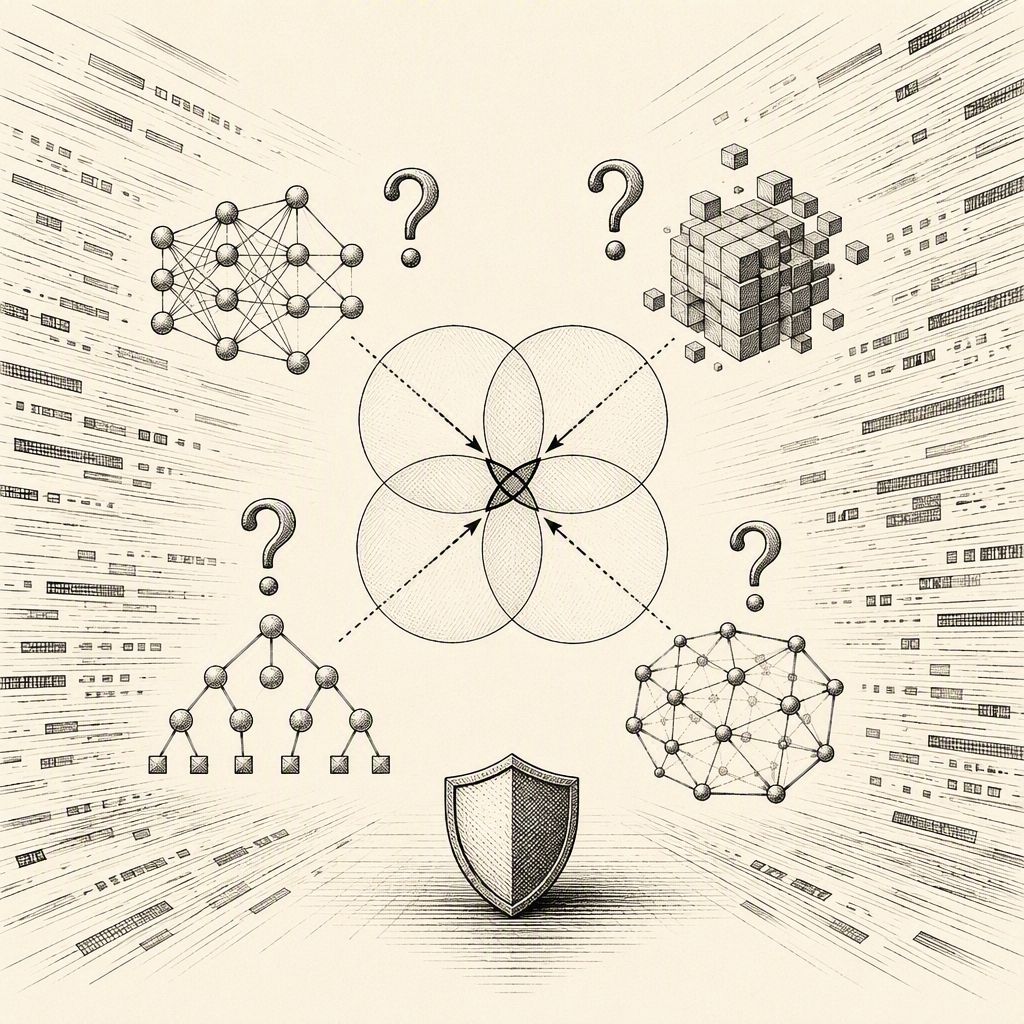
A recent report from Contrast Security highlights a significant disconnect in the effectiveness of artificial intelligence tools designed for application security (AppSec). The "AppSec Overflow 2026" report, which analyzed telemetry from hundreds of thousands of production applications and APIs, found that AI-driven AppSec tools concur on merely 5% of the security vulnerabilities they detect. This low rate of agreement suggests a potential immaturity or divergence in how these AI systems interpret and flag security issues, raising questions about their reliability in a rapidly evolving threat landscape.
The report underscores the alarming speed at which cyber threats are materializing and being exploited. Adversaries are actively probing the average application once every four minutes. This aggressive pace means that vulnerabilities, once discovered, can be weaponized and exploited within hours, leaving organizations with minimal time to respond and remediate. The constant barrage of automated reconnaissance, including scanners actively mapping out weaknesses, contributes to this high-frequency attack environment.
This rapid exploitation timeline exacerbates the existing challenges faced by application security teams. Many teams are already struggling with substantial patch backlogs, with some dating back years. The sheer volume and speed of new vulnerabilities, coupled with the low consensus among AI tools meant to identify them, create a complex and demanding operational environment. Defenders must not only identify threats but also prioritize and patch them before they can be exploited, a task made more difficult by inconsistent AI-driven detection.
Contrast Security's findings are based on extensive real-world data, drawing telemetry directly from the operational environments of numerous applications and APIs. This broad scope provides a unique vantage point into the current state of application security and the effectiveness of the tools being deployed. The analysis reveals that while AI is increasingly being integrated into security solutions, its practical application in identifying common vulnerabilities still requires significant refinement.
The implications of this low agreement rate are far-reaching. If AI tools cannot reliably agree on what constitutes a security finding, organizations may face a dual problem: either an increase in false positives, leading to wasted resources investigating non-existent threats, or a higher risk of false negatives, where critical vulnerabilities are missed and remain unaddressed. This uncertainty complicates risk assessment and mitigation strategies.
Furthermore, the report implicitly calls for greater transparency and standardization in the development and deployment of AI for AppSec. Understanding the underlying algorithms, training data, and decision-making processes of these AI tools could help bridge the gap in agreement and improve their overall efficacy. As AI becomes more integral to cybersecurity, ensuring its accuracy and reliability is paramount.
The findings serve as a critical reminder that while AI offers promising advancements in security, it is not a silver bullet. Human oversight, robust testing methodologies, and a critical evaluation of AI tool performance remain essential components of a comprehensive application security program. The industry must continue to innovate and collaborate to ensure that AI-driven security solutions can keep pace with the escalating threat of cyberattacks.