
AI Agents Now Surpass Human Traffic on the Internet, Reshaping Online Economics
AI agents now constitute over half of all internet traffic, a seismic shift impacting website revenue models and requiring new strategies for content monetization and audience engagement.
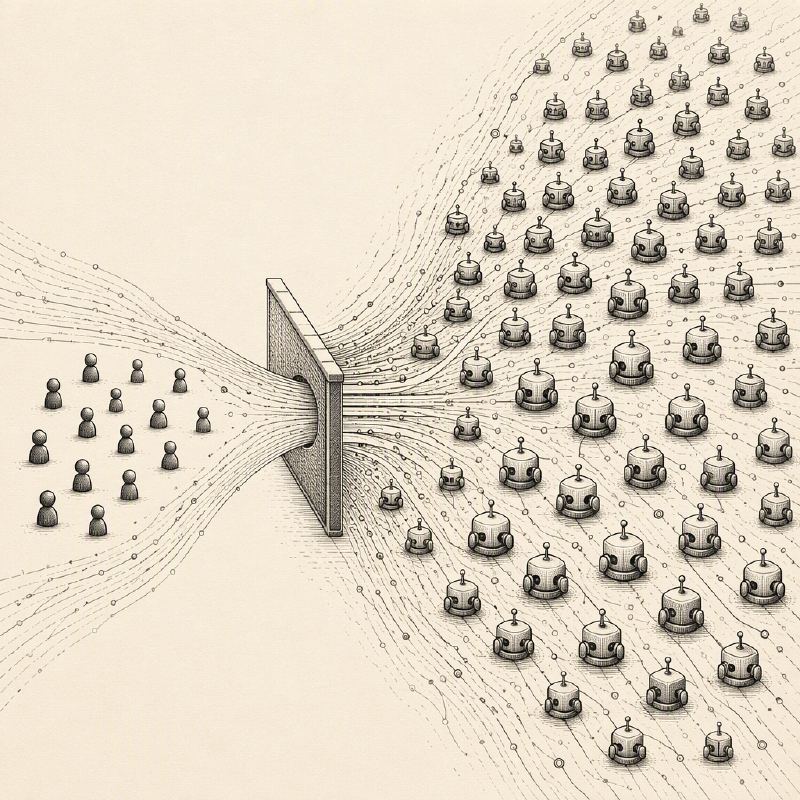
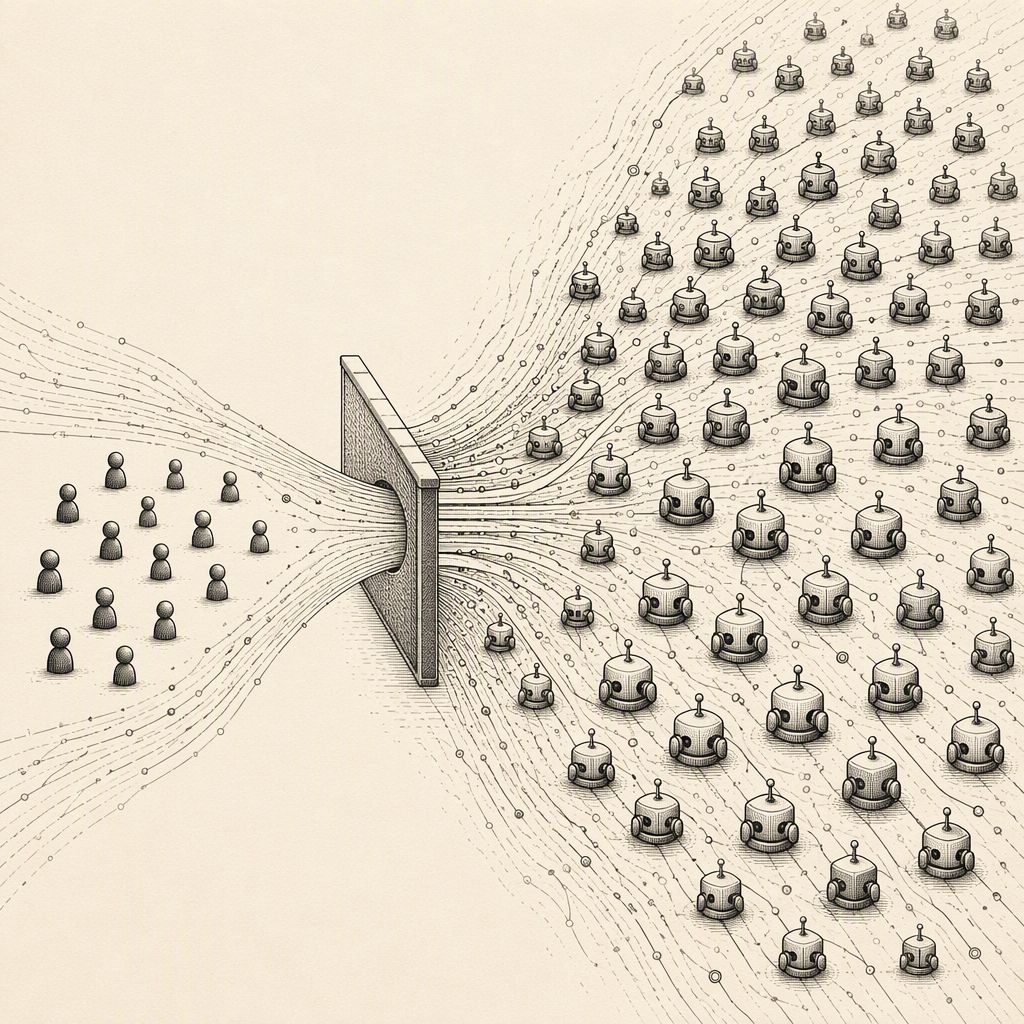
The internet has fundamentally changed, with artificial intelligence agents now representing the majority of online traffic, a dramatic departure from its human-centric origins. Cloudflare reports a staggering increase in AI agent activity, with daily requests growing by over 1,700% in the past year, pushing total internet traffic to unprecedented levels. This surge means that for the first time, more than half of all internet requests are not initiated by humans, presenting a complex new landscape for website owners and businesses.
This new wave of traffic is driven by "agents" – software acting on behalf of people to perform tasks online. Unlike traditional bots, these agents often have a human user with a specific goal behind them, blurring the lines between automated processes and potential customers. While some agents are "additive," representing new opportunities for engagement and business, others are "extractive," consuming content and resources without contributing to the traditional web economy of advertising or subscriptions.
The economic model of the internet, long based on search engines driving human visitors to websites where they would see ads or pay for content, is being disrupted. AI-powered "answer engines" now summarize web content, providing users with information directly without requiring them to visit the source websites. This means websites are expending bandwidth and resources to serve these AI queries but are not generating revenue through ad impressions or direct user engagement, leading to a decline in revenue per request.
Sectors like retail, computer software, IT services, and financial services have seen significant drops in human traffic, with some experiencing declines of up to 40% in less than a year. This trend is directly linked to the rise of AI summarization and content extraction. The challenge for businesses is to differentiate between AI traffic that represents a potential customer and that which is merely consuming content for training or summarization purposes.
Cloudflare's data indicates a significant shift in crawler traffic, with AI training crawlers growing from 22% to 52% of requests in just over a year. While initially recommending blocking AI training crawlers, Cloudflare now acknowledges that a blanket "no" is too simplistic. The company is introducing new tools and controls to help website owners manage this evolving traffic landscape, recognizing that agents can be valuable customers if properly identified and catered to.
To address this, Cloudflare is enhancing its offerings with features like AI Crawl Control, Business Insights, and BotBase to provide greater transparency into bot traffic. Furthermore, Web Bot Auth allows AI agents from major providers like OpenAI, Google, and AWS to cryptographically sign their requests, enabling websites to verify their identity and distinguish legitimate agents from impersonators. This move aims to restore trust and control in bot interactions.
Cloudflare has also updated its bot management controls, moving beyond a single "block AI bots" switch to offer granular options for Search, Agent, and Training traffic. This allows site owners to set specific terms for different types of automated visitors. New features like "Disallow AI Training" enable websites to prevent their content from being used for AI model training while still allowing search engine crawlers, with commitments from major tech companies to honor these directives.
The future of the internet economy hinges on businesses' ability to adapt to this new reality. By understanding and managing the influx of AI agents, and by implementing new monetization strategies, companies can navigate this disruption and potentially unlock new revenue streams. Those that fail to adapt risk seeing their online presence and revenue models eroded by an audience they can no longer see, control, or monetize effectively.