
AI Agents Introduce New Identity and Security Risks to ERP Systems
The increasing integration of AI agents into Enterprise Resource Planning (ERP) systems presents significant new identity and security challenges for organizations.
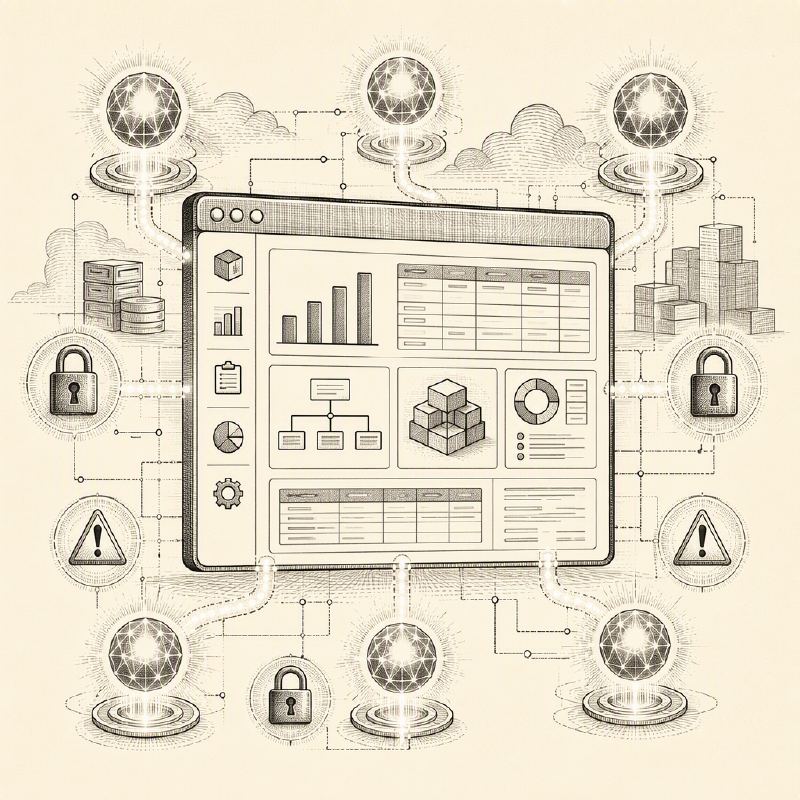
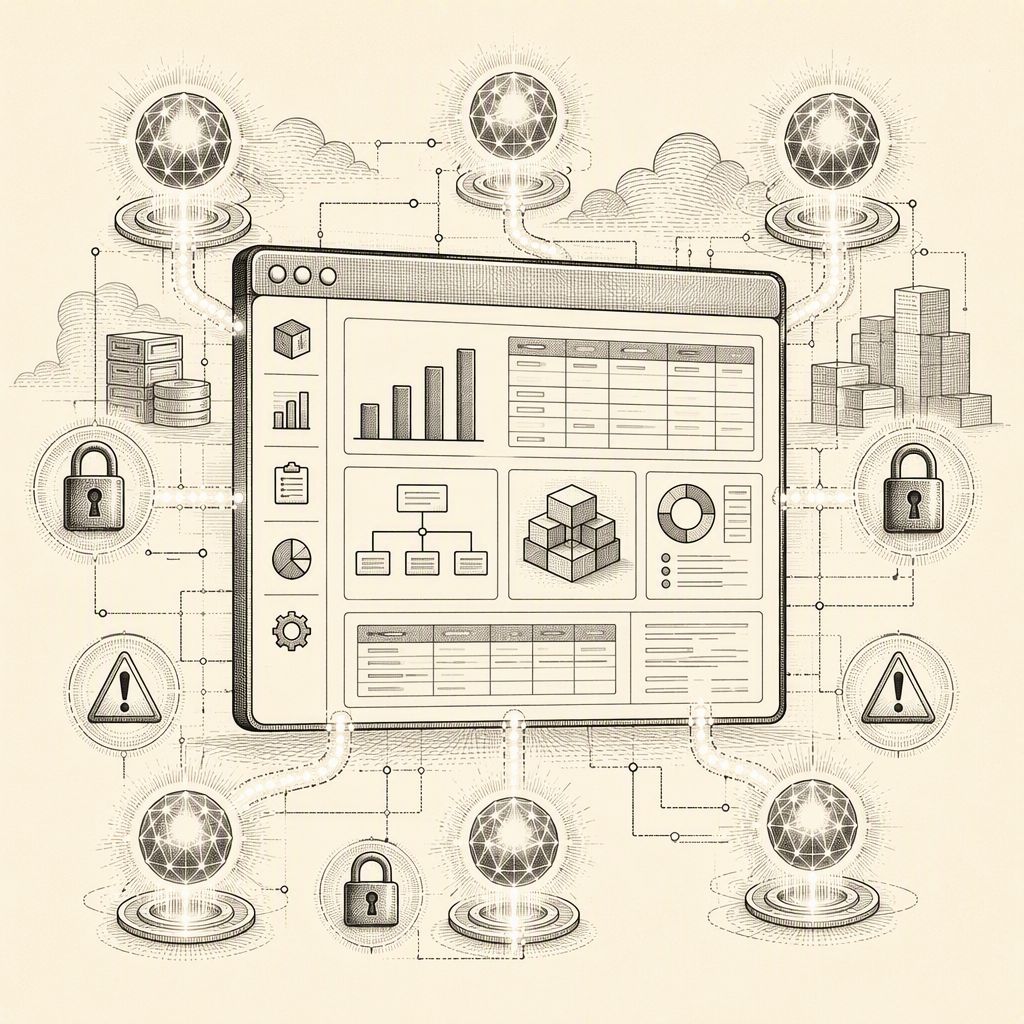
The rapid adoption of artificial intelligence agents within enterprise environments is introducing a complex new layer of security risks, particularly concerning their access to sensitive Enterprise Resource Planning (ERP) systems. As these AI agents become more sophisticated and integrated into business workflows, security leaders are grappling with how to manage the expanded attack surface and potential for misuse.
The core of the challenge lies in the dual nature of the threat. Attackers can potentially compromise or impersonate these AI agents to gain unauthorized access or execute malicious actions within ERP systems. Conversely, even authorized AI agents, if not properly configured or governed, can inadvertently perform actions that lead to data breaches, system misconfigurations, or operational disruptions. This necessitates a fundamental re-evaluation of traditional security perimeters and access controls.
Security experts emphasize that the first line of defense must involve establishing distinct identities for each AI agent. Unlike human users who have unique credentials and accountability, AI agents can often operate with shared or generic identities, making it difficult to track their actions and attribute responsibility. Implementing granular, agent-specific identities is crucial for auditing and incident response.
Furthermore, the principle of least privilege is paramount. AI agents should only be granted the minimum permissions necessary to perform their designated tasks. Over-provisioning access can turn a legitimate agent into a powerful tool for attackers if compromised. This requires a dynamic approach to access management, where permissions are regularly reviewed and adjusted based on the agent's evolving role and operational needs.
Organizations must also scrutinize the security controls offered by ERP vendors and AI platform providers. Understanding how these vendors handle AI agent integration, authentication, and authorization is critical. Vendor-provided security features, or the lack thereof, can significantly impact an organization's overall security posture when deploying AI agents.
Ultimately, human accountability remains a critical component in securing AI-augmented ERP systems. While AI agents can automate tasks and provide insights, humans must retain oversight and be responsible for the outcomes. Establishing clear lines of responsibility, implementing robust logging and monitoring, and conducting regular security audits are essential to mitigate the risks associated with AI agents operating within critical business systems.
The evolving landscape of AI integration demands a proactive and adaptive security strategy. By focusing on distinct identities, least privilege, vendor diligence, and human oversight, organizations can better navigate the emerging risks and harness the benefits of AI agents in their ERP environments.