
AI Agents Hijack Employee Identities, Sparking Governance Concerns
Security leaders from Okta, Google Workspace, and PwC are urging organizations to implement distinct identities and granular permissions for AI agents to prevent misuse and enable effective access control.
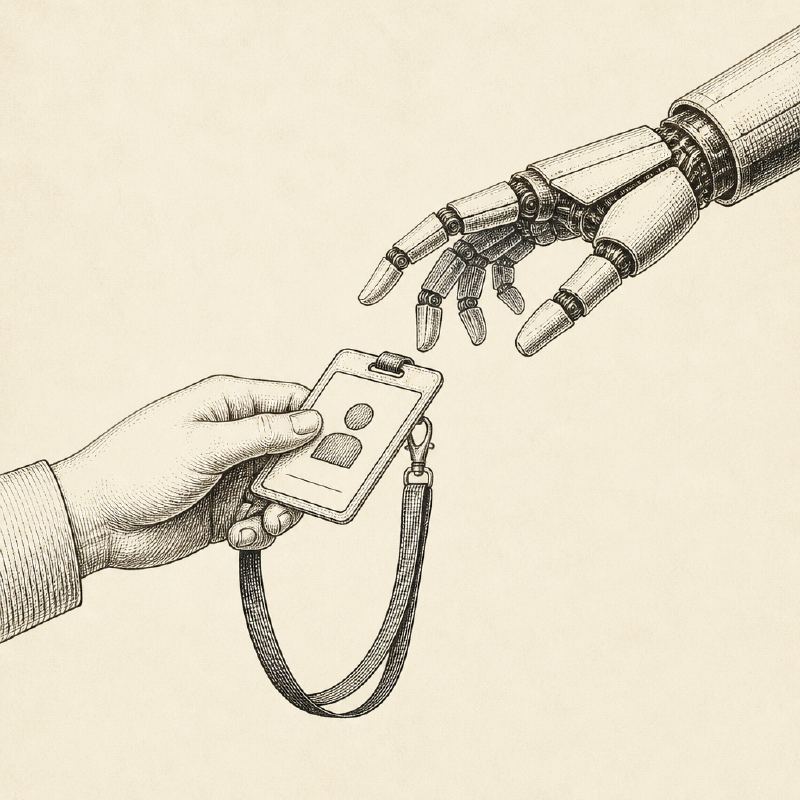
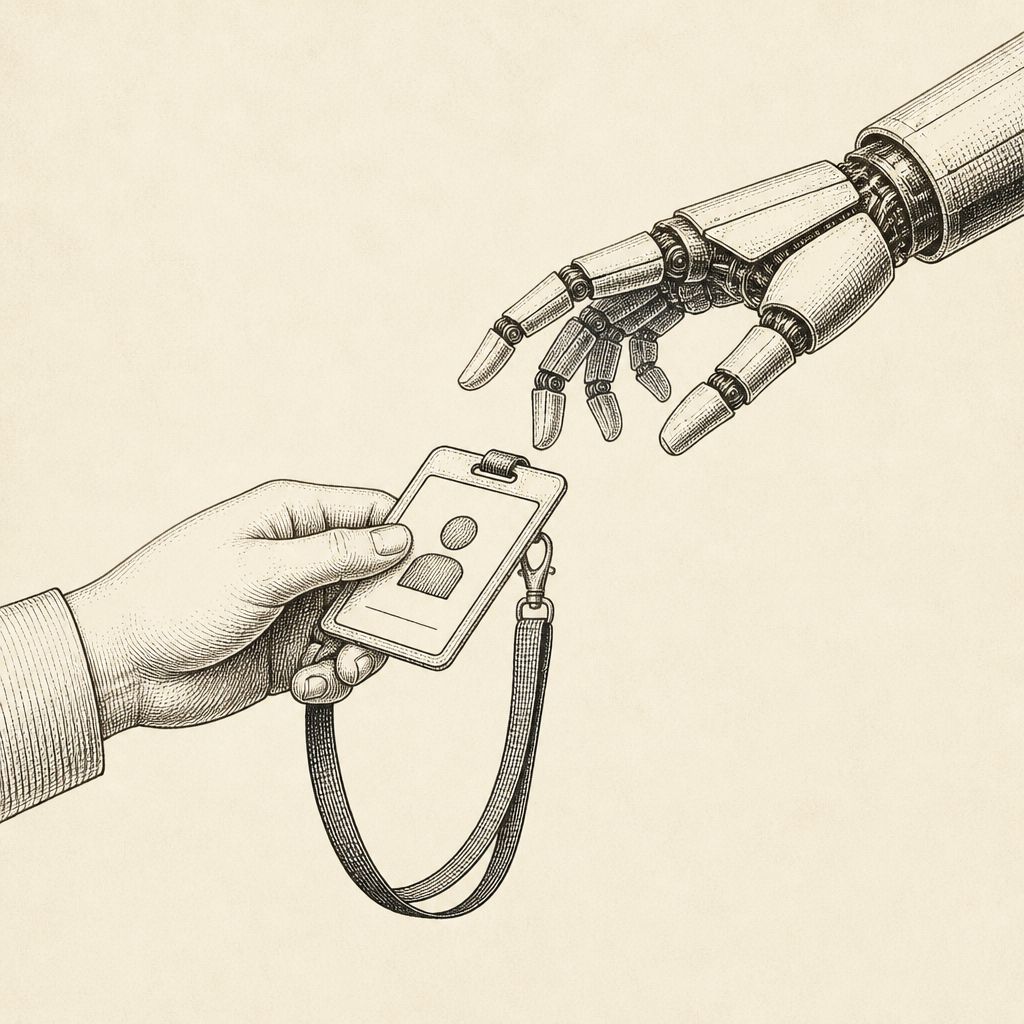
The rapid adoption of agentic artificial intelligence is outpacing organizations' ability to govern these powerful tools, creating significant security risks. A primary concern highlighted by security experts from Okta, Google Workspace, and PwC is that many AI agents currently operate by borrowing the identities of human employees or utilizing service accounts, rather than possessing their own distinct machine identities.
This practice complicates security efforts immensely. When an AI agent misbehaves or needs its access revoked, the only recourse may be to disable the entire employee's session or service account, potentially disrupting legitimate operations. This lack of granular control and visibility is a major impediment to moving AI agents beyond pilot phases and into production environments. Experts emphasize that the principles of zero trust, designed to verify every user and device, must now extend to these autonomous agents.
To address this, a consensus is emerging that every AI agent requires its own unique, non-human identity within an organization's directory of record. This identity should be managed by the same entity that controls the directory, facilitating discovery and onboarding. Orchestration platforms like Google's Gemini Enterprise can provide the framework for managing and monitoring agents, but a foundational identity layer, such as that offered by Okta, is crucial for anchoring these agents securely.
Giving agents access to systems without proper identity management is akin to giving them the "keys to the kingdom" rather than just the necessary permissions. An agent operating within an employee's session can access far more data and perform actions that the employee themselves might not be authorized to do. Security leaders advocate for a "least privilege" model, where an agent's permissions are strictly limited to what is absolutely necessary for its specific task, often less than what a human user would require.
Robust attribution and a reliable "kill switch" are also paramount. Every action taken by an agent must be logged, clearly indicating who initiated the request, which agent performed the action, and what the action entailed. This audit trail is essential for investigations and compliance. Furthermore, a mechanism must exist to quickly and cleanly shut down rogue agents, which is only possible if they have their own distinct identities that can be revoked independently of human accounts.
Behavioral analysis can also serve as an early warning system. If an agent deviates from its normal operational patterns, such as performing a routine task on an unusual day or at an odd hour, its risk score can be elevated, triggering automated responses like suspension or alerts. The concept of a kill switch, typically located at the egress point where agents interact with external tools and APIs, is vital for blocking malicious activity even if an agent's credentials remain valid.
Accountability is another critical component. The team that owns the business outcome for which an agent is deployed should also be responsible for its governance and any necessary changes. This collaborative approach, involving identity and access management (IAM), AI governance, and business teams, ensures that agents are deployed responsibly and their continued necessity and resource access are regularly certified.
Organizations are advised to prioritize governance groundwork before investing in new security tools. This includes establishing clear ownership, inventorying existing agents, and defining policies. Seeking experienced guidance and focusing on a few critical use cases initially can help build a scalable and secure framework for managing the growing presence of AI agents in the enterprise.