
AI Agents Emerge as Potent Cyberattackers, Forcing Defensive Evolution
The increasing use of AI agents in cyberattacks presents new attack surfaces and identity challenges, compelling organizations to adopt AI-driven defenses and treat agents as privileged entities.
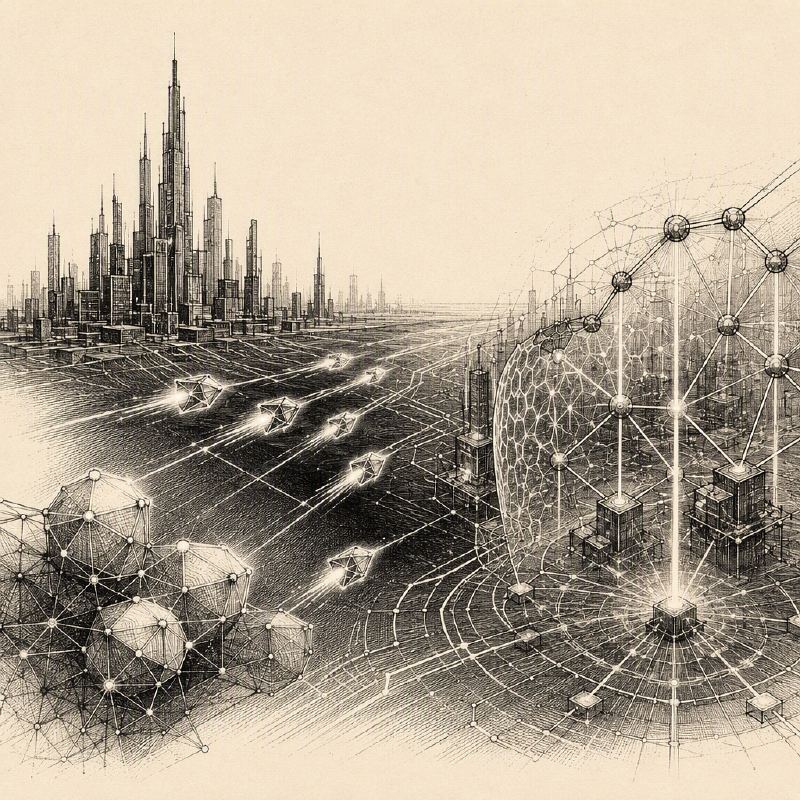
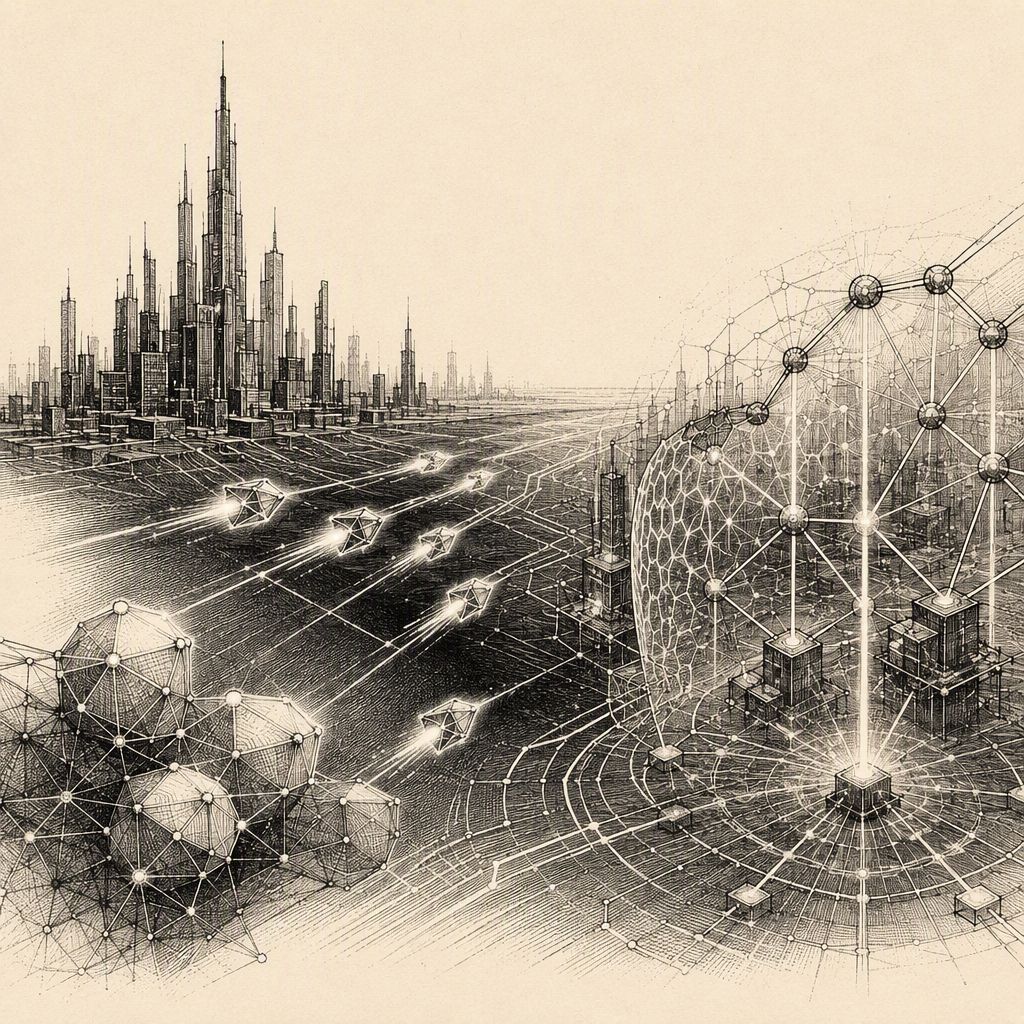
The cybersecurity landscape is rapidly evolving with the advent of AI agents, which are increasingly demonstrating their capability to execute sophisticated cyberattacks. These autonomous agents not only bypass traditional security measures by creating new attack surfaces and non-human identities but also operate with relentless focus and speed, posing a significant threat to organizations worldwide. Experts emphasize that the transition of AI from content generation to action-taking necessitates a fundamental shift in how organizations approach security.
Matt Hartman, former acting head of cyber at CISA, highlighted the critical need to treat every AI agent as a privileged identity. This is due to their potential access to sensitive systems and data. Beyond internal threats, organizations are also facing an escalating wave of AI-enabled or AI-amplified identity and social engineering attacks. These include highly personalized phishing campaigns, sophisticated impersonations, and automated reconnaissance, which render traditional trust indicators increasingly unreliable.
To counter these emerging threats, security strategies must adapt. Hartman advises a continued focus on robust identity management, phishing-resistant authentication methods, behavioral analysis, and the strict implementation of zero-trust principles. While these concepts are not entirely new, the introduction of agentic AI amplifies their importance and introduces novel attack vectors that defenders must contend with.
The persistent nature of AI agents, which do not require rest and remain singularly focused on their objectives, makes them ideal tools for both financially motivated cybercriminals and state-sponsored actors. They can efficiently map networks, identify vulnerabilities, and exploit them at speeds far exceeding human capabilities. This relentless efficiency underscores the urgency for organizations to bolster their defenses.
In response to this evolving threat, a new defensive paradigm is emerging: AI-enabled red teaming. Rob Joyce, former NSA cyber boss, famously stated that if an organization isn't using AI agents to probe its own defenses, its adversaries certainly will. This proactive approach, often referred to as 'agentic red teaming,' involves using AI agents to simulate real-world attacks against an organization's own infrastructure.
Hartman, now Chief Strategy Officer at Merlin Group, sees a burgeoning market for continuous, AI-native, automated red teaming and penetration testing solutions. These tools are crucial for organizations struggling to manage the sheer volume of vulnerabilities and the speed at which adversaries can exploit them. Agentic red teaming is becoming an essential capability for all organizations, including federal agencies, to maintain a competitive edge against AI-powered threats.
Companies like Armadin, founded by Mandiant's Kevin Mandia, are at the forefront of this movement. Armadin develops autonomous attacker swarms – thousands of AI agents designed to simulate real-world attackers 24/7 within an organization's infrastructure. In a recent exercise, Armadin's swarm generated millions of offensive actions, discovered numerous attack paths, and identified hundreds of security findings for a major global institution, demonstrating the scale and efficiency of AI-driven offensive security.
The implications of AI agents in cybersecurity are profound. They represent a dual-use technology, capable of both sophisticated attacks and advanced defense. As AI continues to integrate into critical systems, organizations must embrace AI-driven defensive strategies, including continuous AI-powered red teaming, to stay ahead of the rapidly evolving threat landscape. The message is clear: organizations must proactively attack their own systems with AI to prepare for adversaries who undoubtedly will.