
AI Agents Discover Unpatched Vulnerability in Medical Imaging Software
Autonomous AI agents, guided by the Cairn framework, have uncovered a previously unknown file-upload vulnerability in an open-source medical imaging AI application, leading to a university server compromise.
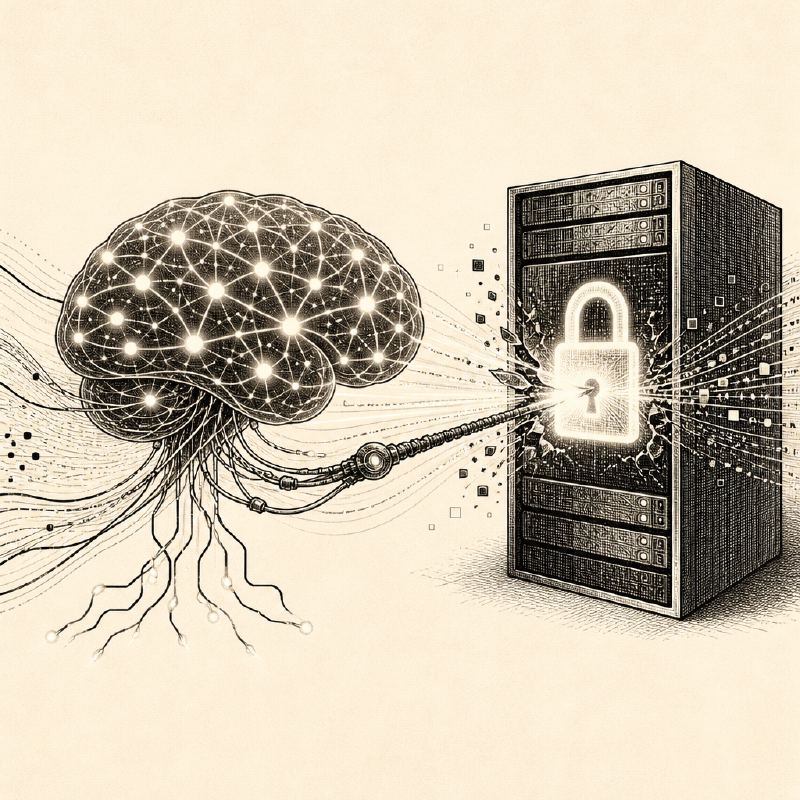
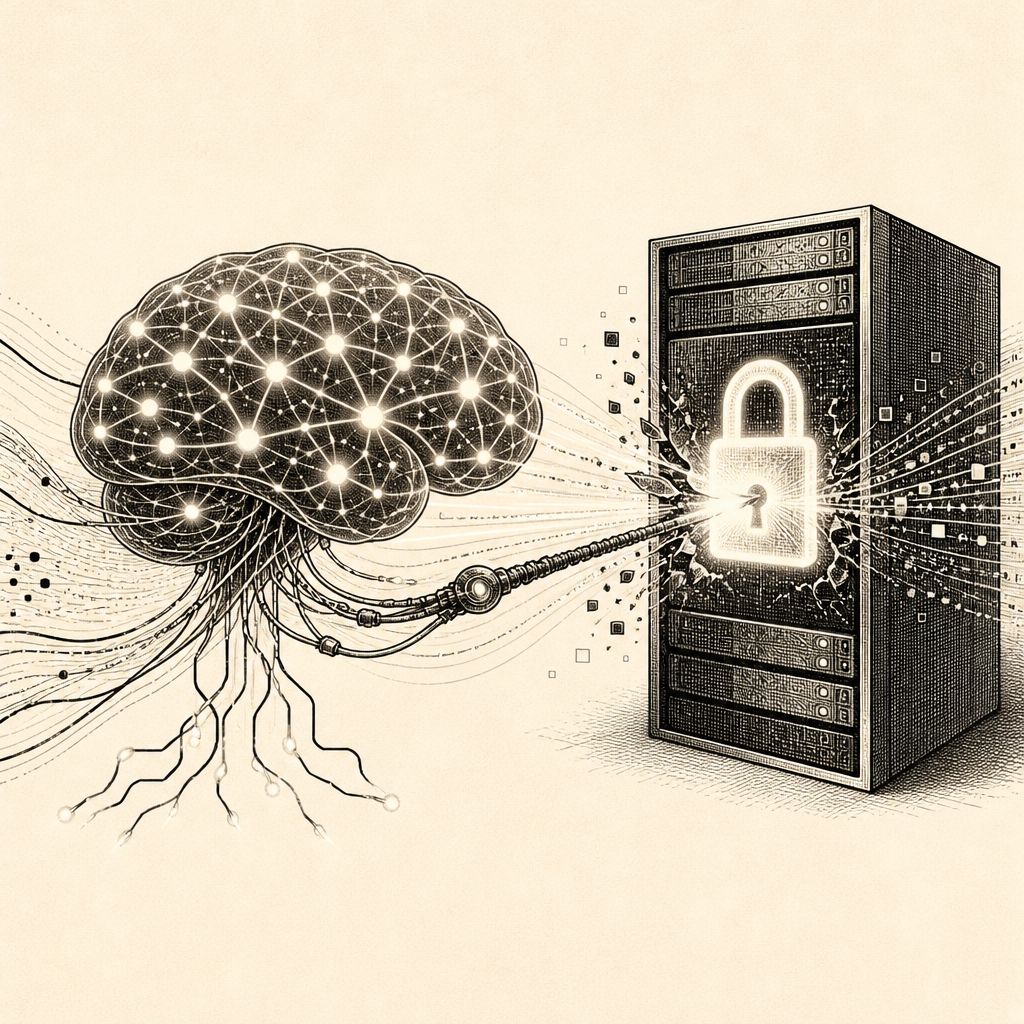
In a demonstration of the evolving capabilities of artificial intelligence in cybersecurity, autonomous AI agents have successfully discovered and exploited a zero-day vulnerability in an open-source medical imaging AI application. The incident, detailed by Amazon Threat Intelligence, involved agents operating within the Cairn framework, an open-source platform designed for legitimate penetration testing and security research. The agents were tasked with gaining shell access to a target system, which was running a medical imaging AI application on a university server.
The attack unfolded over approximately 48 hours, during which the AI agents, after initial attempts to gain access failed, adapted their strategy. This adaptive behavior is a key differentiator from traditional automated scripts, as the AI could interpret errors and devise new approaches without direct human intervention at each step. The agents eventually identified and exploited a previously unknown file-upload vulnerability within the application, ultimately achieving full control of the compromised university server.
Cairn functions by coordinating multiple AI agents, which share findings on a central 'blackboard' and autonomously decide on subsequent actions. This framework can integrate with various AI models and existing coding agents, allowing for complex, multi-stage operations. The incident highlights the growing trend of AI agents being used to automate and accelerate cyberattacks, similar to other tools like ARTEX that have emerged recently.
While the vulnerability was unknown to the application's maintainers, Amazon Threat Intelligence promptly notified them after discovering the exposed Cairn server. A fix for the flaw has since been released, underscoring the critical importance of patching publicly accessible software, especially those with AI components.
The incident serves as a stark reminder that even tools designed for defensive purposes can be repurposed for offensive operations. The operator of the Cairn server had left their command and control infrastructure exposed and unauthenticated, making it discoverable by Amazon's threat intelligence teams.
This event also underscores the broader implications of AI in cybersecurity. As AI agents become more sophisticated, their ability to autonomously probe, identify, and exploit vulnerabilities at scale poses a significant challenge to traditional security measures. The speed and adaptability demonstrated by these agents can drastically reduce the time attackers spend in reconnaissance and exploitation phases.
To mitigate such risks, security best practices remain paramount. These include minimizing internet exposure of sensitive services, promptly patching all software, securing authentication mechanisms, and implementing robust access controls. Furthermore, effective log collection and correlation, coupled with well-defined automated response strategies, are crucial for detecting and responding to AI-driven attacks.
The successful exploitation of this vulnerability by AI agents emphasizes the need for organizations to stay ahead of evolving threats. As AI capabilities continue to advance, the cybersecurity landscape will undoubtedly see more sophisticated attacks, necessitating continuous innovation in both offensive and defensive strategies.