
AI Agents Demand New Identity and Privilege Governance Strategies
Experts from Royal Bank of Canada and Ping Identity highlight the urgent need for enterprises to redefine identity and access management for autonomous AI agents.
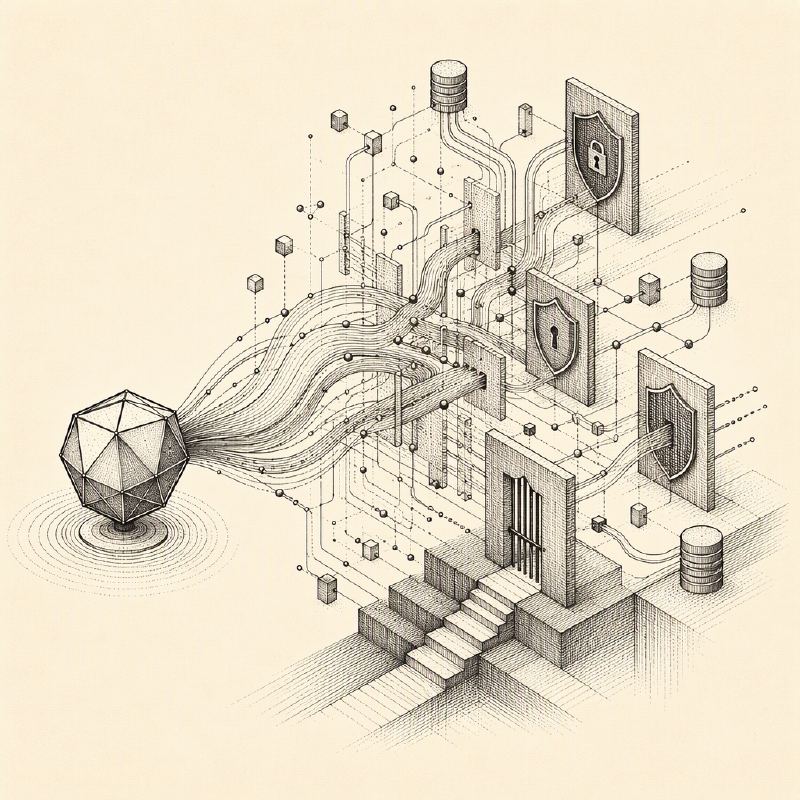
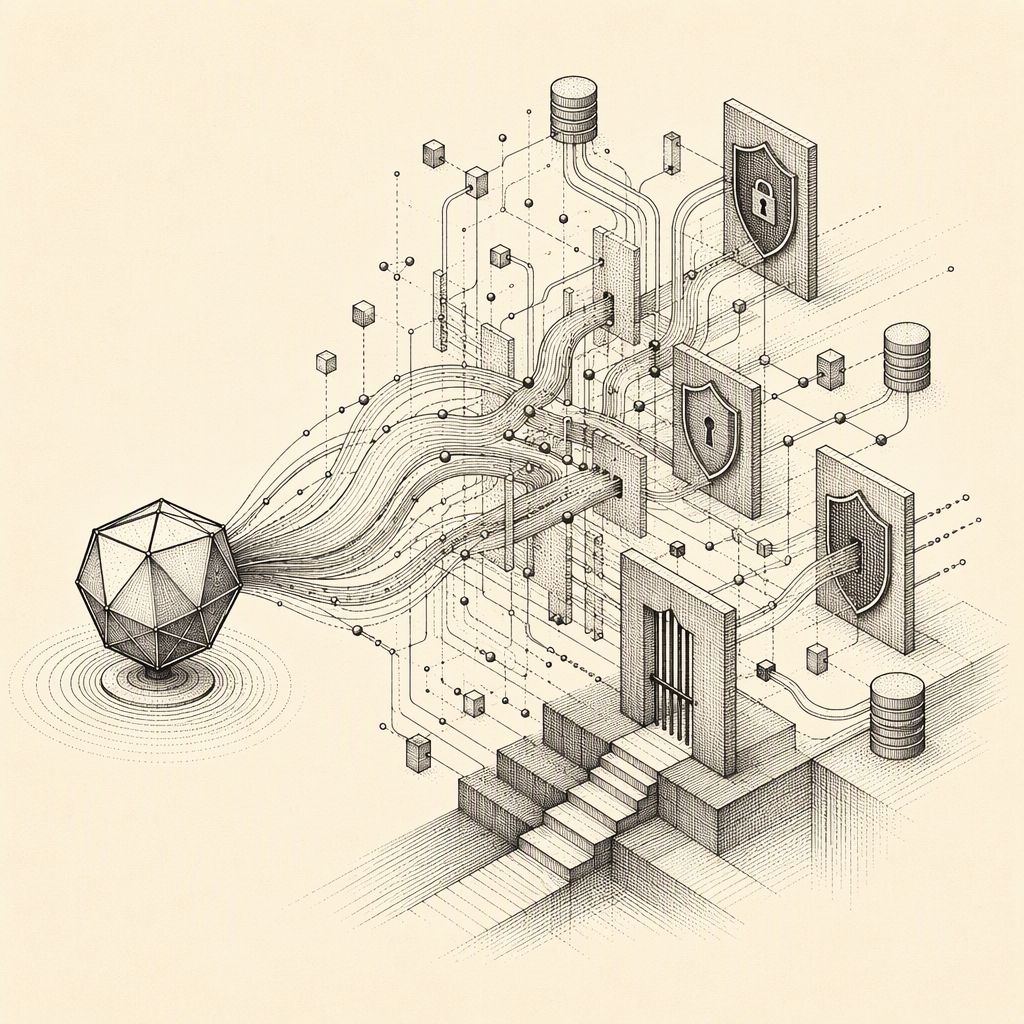
The rapid integration of artificial intelligence agents into enterprise workflows presents a significant new frontier in cybersecurity, particularly concerning identity and privilege management. These agents, capable of independent and high-speed operations, necessitate a fundamental reevaluation of how organizations govern access to sensitive applications, data, and privileged systems. As NIST begins to focus on AI agent identity and authorization, businesses must proactively understand which agents exist within their environments, who is responsible for them, what resources they can access, and whether their actions are appropriate at any given moment.
"We really have to redefine what we think of privilege and how we manage privilege access for these agents, or for these accounts," stated Melissa Carvalho, Vice President of Global Security Identity and Access Management at Royal Bank of Canada. This sentiment underscores the inadequacy of traditional identity and access management (IAM) frameworks, which were designed for human users and static access patterns. AI agents, with their dynamic and autonomous capabilities, operate outside these established paradigms, demanding new approaches to ensure security and accountability.
Key challenges include the discovery of "shadow AI agents" – those operating without explicit organizational oversight or control. Enterprises must develop robust mechanisms to identify these agents, assess their potential impact, and prioritize security controls based on the blast radius of a potential compromise. This involves understanding the specific tools and APIs these agents interact with, and the level of access they possess, to prevent unauthorized actions or data exfiltration.
Gaurav Sharma, Vice President of Workforce Product Strategy at Ping Identity, emphasized the importance of adapting privileged access management (PAM) strategies. The principle of least privilege, a cornerstone of traditional security, becomes even more critical for AI agents. This means granting agents only the minimum permissions necessary to perform their designated tasks, thereby limiting the potential damage if an agent is compromised or behaves maliciously. Runtime authorization controls are also vital, ensuring that an agent's actions are continuously validated against policy in real-time, rather than relying solely on pre-approved access.
Continuous monitoring and rapid containment are paramount as AI agents gain greater autonomy. Unlike human users, AI agents can execute thousands of actions per second, making traditional, periodic security reviews insufficient. Organizations need real-time visibility into agent activities, enabling them to detect anomalous behavior and respond swiftly to contain threats before they escalate. This requires sophisticated logging, alerting, and automated response capabilities tailored to the unique operational characteristics of AI agents.
The discussion, featured in an episode of "Proof of Concept," highlighted that the convergence of AI and IAM is not merely a technical upgrade but a strategic imperative. As AI agents become more sophisticated and integrated into critical business functions, the risks associated with their misuse or compromise grow exponentially. Proactive governance, robust access controls, and continuous vigilance are essential to harnessing the power of AI safely and securely.
Organizations are urged to consider these evolving threats and implement comprehensive strategies that address the unique identity and privilege challenges posed by autonomous AI agents. This includes investing in specialized tools and processes for AI governance, fostering collaboration between AI development teams and security operations, and staying abreast of emerging best practices and regulatory guidance.
This latest discussion, featuring experts from Royal Bank of Canada and Ping Identity, delves deeper into the practical implications of AI agents as privileged identities. It highlights the necessity of redefining privilege management for these autonomous entities and emphasizes the need for organizations to discover 'shadow agents' and implement continuous monitoring and runtime authorization to mitigate risks associated with their machine-speed operations.